Tag: hemp farming

  • What’s Next for the Hemp Industry? Experience Hemp SUMMER SOLSTICE Virtual Conference & Expo Highlights Innovation; Call for Unity

    What’s Next for the Hemp Industry? Experience Hemp SUMMER SOLSTICE Virtual Conference & Expo Highlights Innovation; Call for Unity

    By Heather Collins

    2020 has been a pivotal year due to the coronavirus pandemic, which has made a tremendous impact nationwide and globally. These uncertain times have forced businesses, farmers, restaurants, and the hemp community to shift quickly and respond to safety concerns to protect industries.

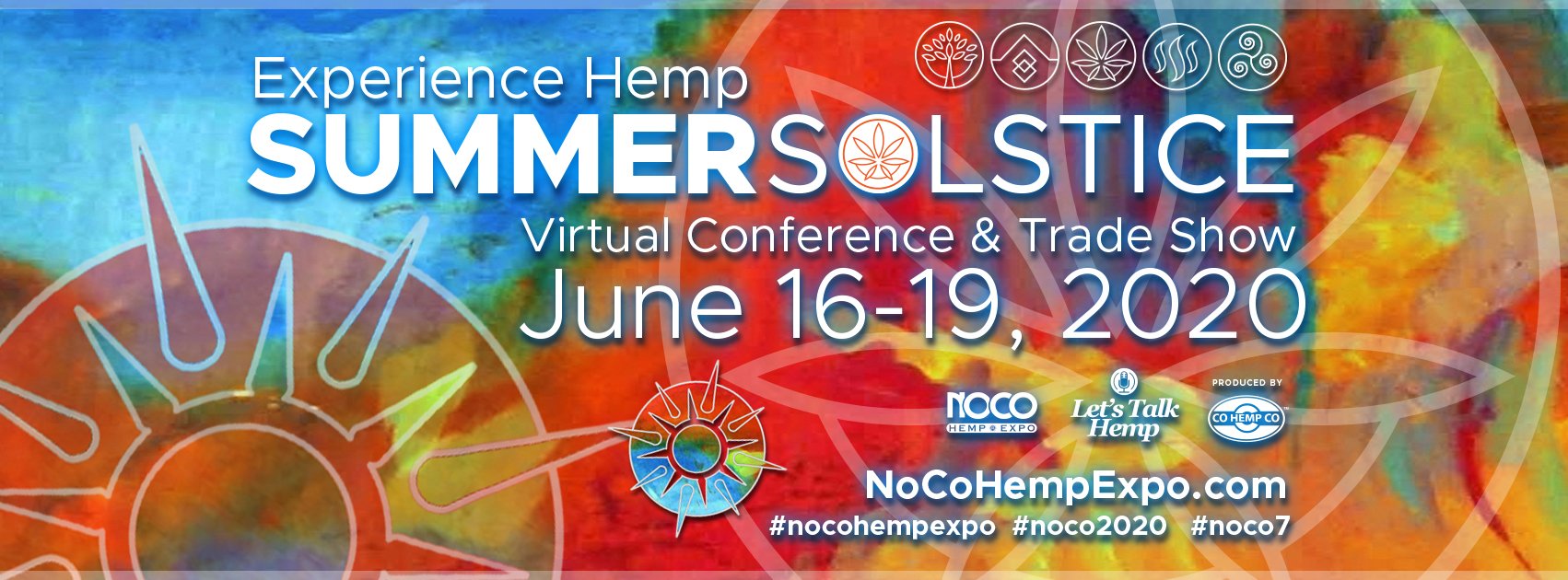
    The producers of the NoCo Hemp Expo and the Experience Hemp SUMMER SOLSTICE Virtual Conference & Trade Show made the hard decision to reschedule NoCo7 to the following year, which will now take place March 25-27, 2021.

    “The decision to reschedule NoCo7 was not easy, but we felt the need to protect everyone’s health and safety. This community is so collaborative. That’s what’s going to make this industry stand out as we look towards the future,” said Morris Beegle, Let’s Talk Hemp Media Co-founder and Producer of NoCo Hemp Expo. “We’re excited about in-person events, but until we get the green light, we will continue to plan virtual conferences that further educates and unites our industry.”

    Additionally, NoCo Hemp Expo producers are expanding multimedia platforms, including a year in review, fall virtual conference & trade show, a hemp-themed digital magazine, podcasts, weekly newsletter, and more. Stay tuned for additional details on NoCo7 at www.nocohempexpo.com.

    SUMMER SOLSTICE Conference Highlights Innovation; Call for Unity

    As NoCo7 organizers chart a new course for the second half of this year, the recently held Experience Hemp SUMMER SOLSTICE Virtual Conference & Trade Show, held June 16-19, 2020, was well received.

    More than thirty guest speakers, including presenting sponsor PureHemp Technologies, kicked off conversations centered on the evolution of hemp and its potential during these ever-changing times. Participants accessed six live webcast Supersessions, which covered important topics relevant to the industrial hemp market today:

    ·        Innovation: Technology Advances Across the Hemp Supply Chain

    ·        Investor Outlook & the Financial Future of The Hemp Industry

    ·        Food Sovereignty, Nutrition & Hemp’s Role

    ·        Bast & Hurd: Industrial Hemp Opportunities in Building, Biocomposites, Biofuels & More

    ·        The 2020 Hemp Crop: Harvesting, Drying, Handling & Finding Markets

    Among the highlights included an earnest discussion on the arbitrary .3% vs. the 1% solution in which hemp advocates declared the current ruling as a roadblock for farmers. “We need to change federal guidelines while working with the USDA. We can do that by telling the stories of the farmers. Their stories will hopefully get us there so we can stop decriminalizing the pioneers of our industry. Without the farmers, we have nothing,” says Doug Fine, bestselling author, hemp farmer, and renowned industry advocate.

    Beegle agreed, “There is so much passion in our industry, and this .3% burden should not be on the farmer’s shoulders. Our only option in getting legislation passed is to stand together. We know there is a better solution out there, we need to unite on all fronts.”

    Additionally, panelists discussed hemp’s potential in using the entire plant for fiber, textiles, building materials and more, and addressed hemp as a key ingredient for food sovereignty.

    Participants also heard from investors regarding hemp’s economic outlook and viability as a commodity beyond the CBD market. “Fiber and hurd are the next big thing. Before, it was all about CBD and smokable flower. Let’s get the right suppliers with the right buyers and bring the best products to market,” said Julie Lerner, CEO, PanXchange, Inc. “We are in a nascent stage, and we still have some growing up to do, but need to be taken seriously.”

    Geoff Whaling, a hemp industry leader, offered sound advice for hemp farmers and manufacturers during these uncertain times. “Buckle down. Believe in your business and do not let anyone test your conviction,” said Whaling, Collective Growth Corporation. “In the words of a famous quote, ‘The dreams never die, just the dreamers.”

    Dreaming big might be the plan for many hemp farmers this year, but dreaming too big without the right strategy could be troublesome. “I encourage every farmer out there right now to talk about their end-use. Have a plan in place for the hemp you put in the field today,” said Andrew Bish, CMO, Bish Enterprises. “Decisions made later are not good – sort it out now, before it’s too late.”

    Traceability and supply chain were also significant points of discussion during the conference. Panelist Joe Witte urged companies to integrate an authentic supply chain and one that is trustworthy. “Embrace traceability because the companies and manufacturers that realize that traceability is everything are the ones who will win.”

    Sustainability and Food of the Future

    Hemp plays a vital role in sustainability and has the potential to be a superfood. It is high in antioxidants and could appeal to people everywhere for its health benefits. However, there are still some challenges that food brands face in order for them to include hemp as an ingredient in food.

    “We are putting a chokehold on this planet with the limitations. We need to be building the relationship with this plant,” said Winona LaDuke, hemp farmer, and nationally known environmental activist. “It’s all about cooperation these days. We need to learn together and form the next economy in equality and in our food system.”

    Investors believe that there is still a learning curve when it comes to hemp, yet they remain hopeful. “The birth of an industry doesn’t happen overnight. Entrepreneurs and investors need to recalculate, especially right now,” explained Patrick Rea, CEO, and Founder, Canopy Boulder. “Hemp companies need to take a look and a lesson from the natural products industry and study its success, including dynamics, value propositions, and growth over time.”

    If you are interested in learning more about the Experience Hemp SUMMER SOLSTICE Virtual Conference & Trade Show, visit the content Library and viewing pre-recorded archive footage from around the world.

    What’s Next: Fall Event – WAFBA Virtual Conference and Trade Show

    We Are For Better Alternatives (WAFBA), in conjunction with NoCo Hemp Expo and Let’s Talk Hemp media are also pleased to announce plans for a third virtual event coming this fall on November 11-13, 2020. Details and registration will open soon.
  • My Courtship of Cannabis

    My Courtship of Cannabis

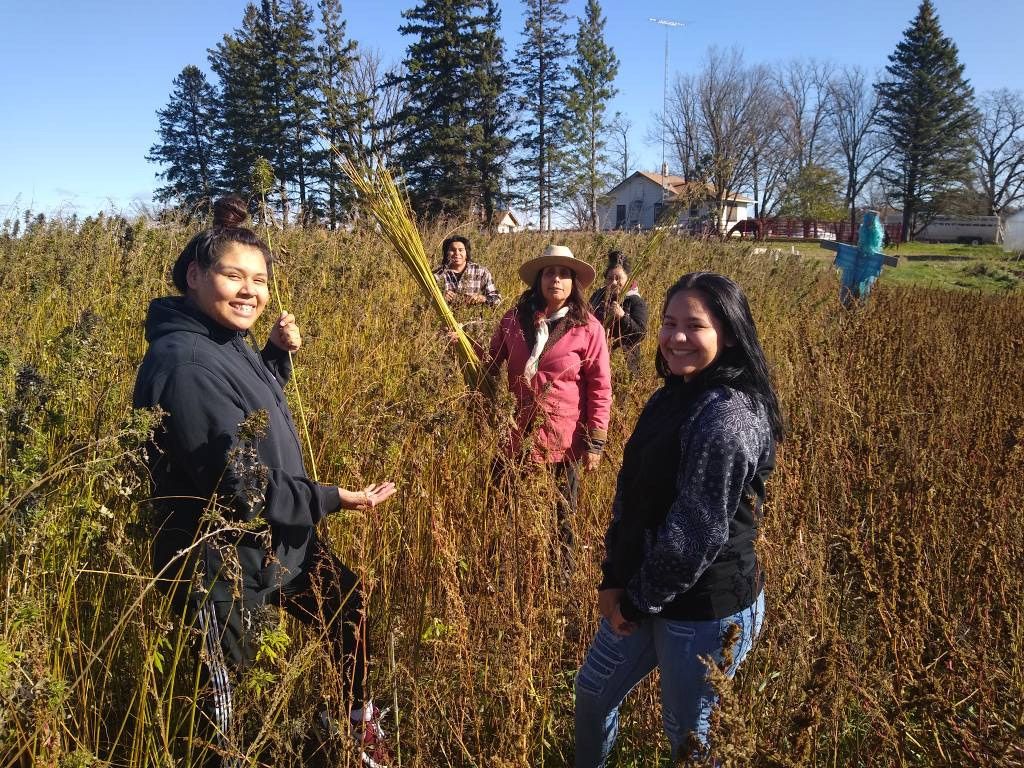
    Winona LaDuke and her farm team harvest hemp for fiber and textiles at Winona’s Hemp & Heritage Farm in northern Minnesota.

    By Winona LaDuke

    She’s an amazing plant. You can learn a lot from a plant. For the past four years I’ve been hanging out with cannabis plants. I have a bit of a maternal streak which seems to translate well to animals and plants (children, I am not so sure), and I’ve been growing cannabis. That’s the plant’s name. We all say industrial hemp so that we are not demonized, and people don’t think I have a big marijuana farm out there by Osage. There’s apparently some “stigma” attached to cannabis. So, let me just say it loud and proud. I’m a cannabis grower.

    Here are my thoughts four years into growing under a Minnesota state permit. The plant is not a slave, she’s an amazing teacher, and we got this, we just gotta figure it out. The Farm Bill opened the floodgates for “industrial hemp”, meaning a plant which will produce seed, flower, and stalk, and comes in less than 3% THC.

    Minnesota issued seven permits in 2015; 550 in 2019. People acted like it was the gold rush. Just like the spooners and diggers, they all jumped in. As far as “hemp,” it appears that everyone planted as much CBD cannabis as they could, and they are sitting on it. There was this idea that everyone was going to make a million bucks off a plant. Well, that’s not going to happen. There are some people who may lose their farms in Kentucky, where they plowed up entire farms and put them into cannabis. That’s particularly ironic, because Senator Mitch McConnell, the architect of the industrial hemp component in the Farm Bill, really could have helped his team out a bit more. It’s like responsible cannabis farming, about the amount and intent.

    Farming and love and sex.

    Treat the plant well, and she will respond. The plant takes love and understanding. When I plant seeds, I develop a relationship with them. What it says on the packet is not what it says in your soil, or in the weather over the upcoming months. It’s sort of like a date, do some chit chat, see how you like each other and decide if you are going to hang out.

    I swear to the Goddess that there are a whole bunch of guys who don’t want to date, they just want to plant with their big seed drills, harvest with their big combines, and get out of there. Think about farming and love and sex. You may not have the moves for this plant buddy.

    Some advice from me, the Anishinaabe farmer: Learn how to treat her right.

    I grow two kinds of cannabis: fiber hemp and CBD cannabis varieties. I’m really careful that the female plants who are producing special magical medicines don’t meet up with any pollen from the males. That’s some life changing stuff. The flowers are female. Go figure.

    The hemp field across the road has males. I keep everyone separate. We study varieties best for our region. Minnesota used to have eleven hemp mills, and I just want to see them come back.

    Those fields are both male and female, but, let me just share something with you – the strongest plants for fiber processing are female.  They are well sexed females. They’ve had a wonderful time hanging out with the men and the pollen and they’ve made some great seeds and robust stalks. They don’t like their feet wet either. That’s one of the good things about hemp – it doesn’t take too much water, one of the many reasons it’s a superior textile to cotton. Add to that, the word cannabis is also the root word for canvas. Hemp has the ability to transform the textile and materials economy.

    Female plants make all that magic, with of course a lot of good sex. 

    Male plants are some groovy guys too. That’s despite the fact they look all withered in the field, after having sex with thousands of females. They’ve had a good life. They also make pollen, and if you have a clean field, no pesticides all full of plants having sex, you can make some bees and pollinators happy too. What’s wrong with that?

    Now what we need is to work together to actualize the renaissance of hemp. Minnesota and North Dakota both have some good hemp research projects, but the medicinal marijuana program is limited. That should really be opened up. Prohibition will end soon, 11 states have legalized, and then there’s all of Canada. We might want to loosen up here in the north country. The White Earth Reservation should look at this future for our people – from medical to textiles, she is a plant which most people want to grow. Our tribal members are very interested in cannabis.

    The hold-up is processing. Seventy years as an illegal plant means that we are behind in processing. And, if we are going to rebuild an American economy, which produces goods, instead of buying them from China, we are going to need to figure out cannabis, together.   We can’t use slave labor, and we cannot use a bunch of toxins on the fields. The plant doesn’t need any chemicals, it just needs love and good soil.

    Cannabis can change our world. Treat her with respect, and she will be there for us. Court her well.

    Photos: Courtesy of Winona LaDuke

    This blog was originally published on Winona’s Hemp News.

    # # #

    Winona LaDuke is an internationally renowned environmentalist, economist, tribal elder, Water Protector, Harvard graduate, former candidate for Vice President of the United States, entrepreneur and hemp farmer. Winona also is owner of Winona’s Hemp and the founder of the Anishinaabe Agriculture Institute and Honor the Earth.

  • Licensed Hemp Acreage Increases 455% in 2019

    Licensed Hemp Acreage Increases 455% in 2019

    by Eric Steenstra

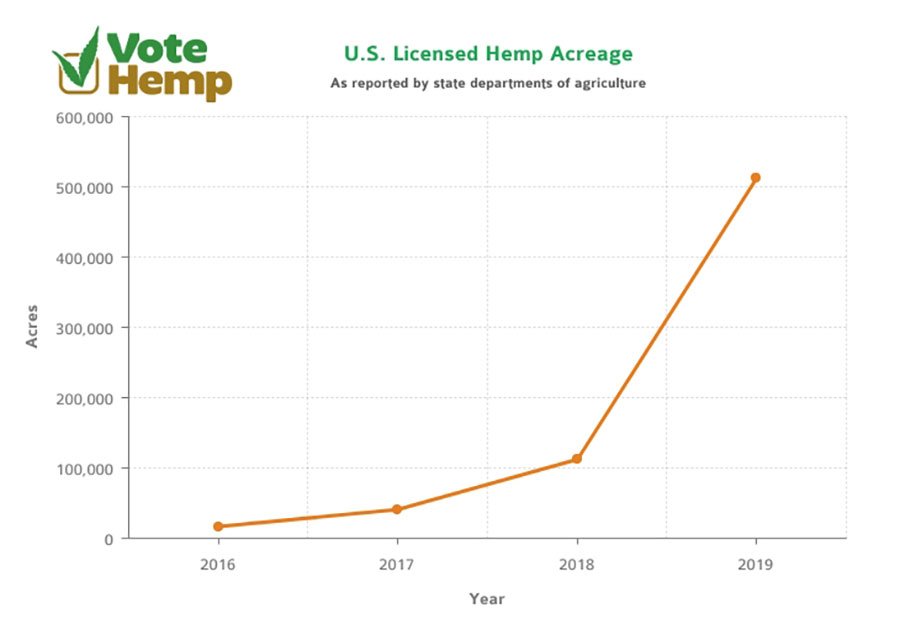
    Licensed hemp acreage increased 455% in 2019 vs hemp acreage under license in the U.S. in 2018, based on new research by VoteHemp.com.
    (View larger graph image)

    Everyone seems to be talking about and using hemp products these days. Hemp extracts are suddenly available almost everywhere including your local supermarket, coffee shop and gas station.  Hemp derived CBD and the benefits of the “entourage effect” from whole plant hemp extracts is driving a revolution in consumer health and it couldn’t come at a better time.  Consumers are seeking natural alternatives to help them live healthier and happier lives.  It also comes at a perfect time for the emerging hemp industry.

    The legalization of hemp farming in the Farm Bill last December was a watershed moment for the hemp industry and for American farmers.  The return of hemp to agriculture while farmers are seeking alternative crops created an intense level of interest in farming hemp and inspired literally thousands to enter the industry as evidenced by a massive increase in licensed hemp growers for the 2019 growing season.  The Farm Bill also inspired thousands of new hemp processors and brands to enter the market.

    Vote Hemp has been conducting an annual survey of state departments of agriculture since 2016 to track the growth of hemp cultivation in the United States.  This year we are releasing a hemp licensing report first to document intent and will follow up with hemp planting and harvesting data once it has been reported.  The results on licensing show more than 500,000 acres of hemp were licensed across 34 states, an increase of more than 455% over 2018 licensed acreage.  Intent is a good indicator but we know from previous years that significantly less hemp is planted than what is licensed due to a variety of factors including access to seed and/or clones as well as inexperience.  This will be the case again for 2019 and we estimate that 230,000 acres of hemp will actually be planted and significantly less harvested due crop failure.

    Another important statistic is the growth in the number of farms that were licensed to grow hemp in 2019.  Almost 17,000 licenses were issued for hemp cultivation in 2019, an increase of 477% over 2018 licensure.  A significant amount of this activity is coming from new farmers which is good news for agriculture.  In Tennessee alone, licensees increased by more than 1000% and many of them are small family farms.  The number of family farms in the United States has been in steep decline for decades.  Today, there are only about 2 million American farms in operation, down from nearly 7 million farms in 1935 and farmers are finding it ever more difficult to make a profit with traditional crops like corn, soy and wheat.  Hemp is helping farmers to find new and more profitable markets and is encouraging new people to consider farming as a way of life.

    However, hemp is not yet a commodity and while demand for biomass has been high, it is not yet clear what the total market demand will be for 2019 and 2020.  Due to this uncertainty, I strongly recommend that farmers only grow hemp with a contract to sell it in hand and carefully vet their partners.  It is also advisable to start with a small crop the first year as there is a significant learning curve.  Bottom line, don’t grow more than you can afford to lose.

    While farming alone contributed $132.8 billion to the US economy, the industry’s reach extends far beyond the soil. From the ethanol gas you recently pumped into your car to the IPA calling your name at the bar, countless products and industries rely on agricultural inputs to contribute value to the economy.  Projections from the Hemp Business Journal show that hemp is likely to add at least $2.5 billion to agricultural output by 2022 and likely will continue growing at a fast pace for at least the next 5-10 years as demand grows for fiber and grain.  The future is bright but there will be speed bumps along the road so drive carefully!

    To learn more about the growing hemp industry, download our hemp licensing report.  If you are looking for more in depth background on the best states for hemp cultivation, you may also be interested in the upcoming Hemp States Report I helped write for the Hemp Business Journal which should be released very soon.

    ERIC STEENSTRA
    PRESIDENT, VOTE HEMP

    Eric Steenstra is a hemp industry pioneer, co-founding hemp clothing and lifestyle brand Ecolution with Steve DeAngelo in 1992.  Eric was a founding member of the Hemp Industries Association and served as HIA Executive Director from 2008 to 2016.  Eric now serves as the president of Vote Hemp, the political advocacy organization that he co-founded and as Vice President of the California Hemp Council. He is a frequent speaker at industry conferences and trusted source to the media, including CBS, the New York Times, Forbes, CNN, Rolling Stone, Reuters and the Washington Post.

    Vote Hemp lead the effort to pass hemp farming legislation nationwide.  In 2005, Steenstra worked with Congressman Ron Paul (R-TX) to draft the first modern U.S. hemp legislation introduced in Congress (H.R. 3037). In 2012 he worked with Senator Ron Wyden (D-OR) to get companion hemp legislation introduced in the U.S. Senate. Steenstra worked with Congressman Polis (D-CO) and Senate Majority Leader McConnell (R-KY) to have hemp legislation included in the 2014 Farm Bill.  The 2014 Farm Bill authorized the first legal hemp farming in over 50 years and resulted in 78,176 acres of hemp being planted across 24 states in 2018. Vote Hemp also played an integral role in the passage of the 2018 Farm Bill including fully removing hemp from the Controlled Substances Act.

  • Hemp Hits the Big Time

    Hemp Hits the Big Time

    Hemp Hits the Big Time: 2019 NoCo Hemp Expo Draws Capacity Crowd of 10,000 Hemp Industry Professionals and Enthusiasts to Denver


    DENVER, Colorado (April 4, 2019) – What began in 2014 as a modest meeting of intrepid Loveland/Fort Collins-based hemp entrepreneurs has grown into the world’s largest gathering of hemp industry professionals in the world.

    Breaking all attendance records in its 6th year, over 10,000 hemp industry professionals and enthusiasts – including growers, producers, manufacturers, retailers, investors and others from throughout the U.S. and more than 20 countries – converged in Denver March 28-30 for the 6th Annual NoCo Hemp Expo to showcase everything from CBD products to hemp building materials, network, and get educated and updated about the fast-changing industrial hemp market.

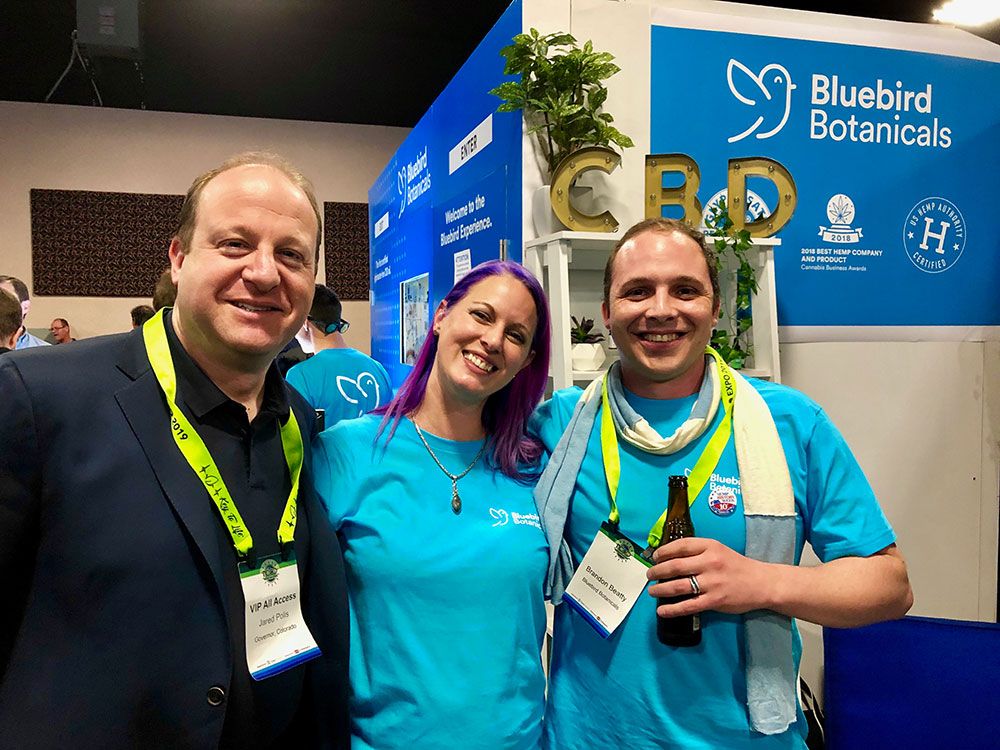
    Featuring a special keynote address from Colorado Governor Jared Polis, plus presentations from Native American leader and “hempreneur” Winona LaDuke, Dr. Bronner’s CEO David Bronner, dietary supplements regulatory expert Loren Israelsen and others, an Investor Forum, Business Conference, Farm Symposium and an exhibit hall showcasing 225 vendors, interest was so heightened about all things hemp that NoCo6’s impressive lineup of workshops and education was completely sold out.

    “We’d like to extend a huge and humbling thank you to all who participated in and attended the biggest and best NoCo Hemp Expo to date,” said NoCo Hemp Expo co-founders Morris Beegle and Elizzy Knight. “This event proved once again that purpose and intention are at the heart of the hemp movement.”

    “The excitement around the hemp industry right now is tremendous, and that was showcased through the 10,000-plus attendees at NoCo6,” said Garrett Bain, Chief Sales Officer for GenCanna, Presenting Sponsor of NoCo6 and a Kentucky based industry leader focused on scaling premium agricultural hemp production for food and supplement products. ”We’re proud of our great relationship with the Colorado Hemp Company [producer of NoCo Hemp Expo]empHem and can’t wait for next year!”

    “NoCo6 pulsed with energy; the sense of something big happening was palpable,” observed Loren Israelsen, President of the United Natural Products Alliance, based in Salt Lake, UT, and a featured speaker at NoCo6. “As a newcomer to the hemp industry, but a veteran of the dietary supplement industry, the event offered a reminder of our own evolution, and a peek into what the future of hemp might look like. The passage of the 2018 Farm Bill has both liberated hemp production and also complicated the place of CBD in the market. How this all works out will be one of the great stories of our age, and I look forward to being a part of it.”

    NoCo Hemp Expo Program Highlights

    Featured speakers for this year’s NoCo Hemp Expo included Colorado Governor and hemp advocate Jared Polis; Native American tribal leader turned hemp farmer Winona LaDuke; David Bronner, CEO of legendary soap maker Dr. Bronner’s; renowned market researcher Dr. Michelle Barry; regenerative agriculture and soil expert Ray Archuleta; hemp expert and author Doug Fine; hemp entrepreneurs Dani Billings of Nature’s Root and Janel Ralph of Palmetto Harmony; and other leaders breaking new ground in the industrial hemp market. For a complete list of speakers, visit here and for a full program schedule from this year’s event, visit here.

    Digital Magazine Available

    Also, NoCo6 has produced a digital and print magazine and show program, Let’s Talk Hemp, for the first time in partnership with Honeysuckle Magazine, which can be viewed here.

    Thank You to Our Sponsors

    GenCanna™ was featured as the Presenting Sponsor of NoCo6. Business Conference Sponsors included: Elixinol, New Hope Network, Benmar Extractions, Hoban Law Group, Lilu’s Garden, McAllister Garfield P.C., Frank Robison Law Group, and Steep Fuze Coffee. Farm Symposium Sponsors included; Bluhen Botanicals, Bish Enterprises, Colorado Breeders Depot, Front Range Biosciences, Hempsac, New West Genetics, ProVerde Labs and Rad Extracts. Meet all of our Sponsor Partners here: https://nocohempexpo.com/sponsors/.


    Save the Date: Southern Hemp Expo

    Save the date for the 2nd Annual Southern Hemp Expo (SHE), September 6-7, 2019, in Nashville, TN. NoCo Hemp Expo is the largest gathering of hemp industry professionals in the Eastern U.S. Visit www.SouthernHempExpo.com to learn more.

    Read More About the 2019 NoCo Hemp Expo

    • “Jared Polis Becomes a Rock Star at NoCo Hemp Expo,” Westword, March 29, 2019
    • “Firms Looking to Invest Big Money in Colorado’s Hemp Industry,” Denver Post, March 29, 2019
    • “NoCo Hemp Expo Runs Friday & Saturday,” Denver 7 News, March 29, 2019
    • “Hemp Entrepreneurs Hear the Benefits – and Challenges – of Booming Industry at Colorado Expo,” Denver Post, March 29, 2019
    • “The ‘Hemp Opportunity’ is in Full Flower at NoCo Hemp Expo,” New Hope Network, March 29, 2019
    • “Hemp Is Next: Colorado Wants More Than Marijuana Prominence,” Westword, March 30, 2019
    • “Pet Owners Check Out Expo In The Hopes Of Finding Answers To Pet Anxiety, Pain,” CBS Denver, March 31, 2019
    • “10,000 Show Up for the NoCo Hemp Expo in Denver,” 9 News Denver, March 31, 2019


    About the NoCo Hemp Expo

    The 6th Annual NoCo Hemp Expo is produced by the Colorado Hemp Company, a division of WAFBA LLC (We Are For Better Alternatives), based in Loveland, CO. WAFBA also is the producer of the 2nd Annual Southern Hemp Expo and founder of TreeFreeHemp paper and printing services. Areas of focus include product and brand development, event production, and advocacy. NoCo6 provides support to nonprofit organizations including Bee Heroic; the Jack Herer Foundation; and Hemp History Week, celebrating its 10th anniversary in June 2019. Learn more at NocoHempExpo.com, or visit us on YouTube, Facebook and Twitter, #NoCo6. 

    # # #

    Contact
    Steven Hoffman, Compass Natural, 303.807.1042, steve@compassnaturalmarketing.com
    Morris Beegle, Colorado Hemp Company, 970.541.0448, info@nocohempexpo.com

  • Hemp for Victory

    Hemp for Victory

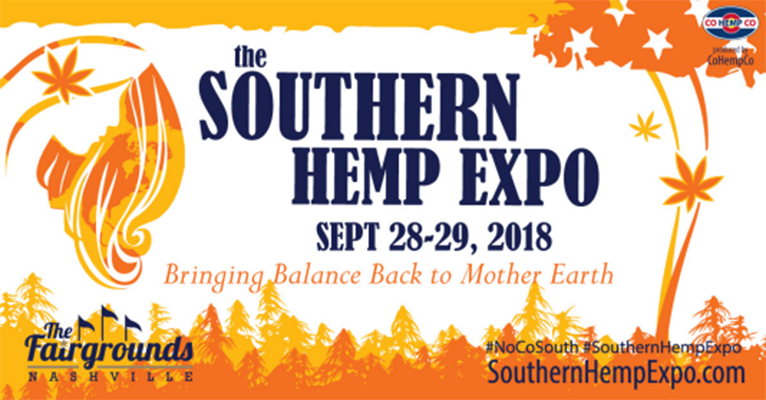
    Inaugural Southern Hemp Expo, Sept. 28-29, 2018, in Nashville, TN, Builds on Success of Burgeoning Industrial Hemp Market

    Inaugural Southern Hemp Expo to Offer Full-scale Exhibit Hall, Ag Symposium, Presentations and Workshops in the Rapidly Expanding Hemp Industry at The Fairgrounds Nashville, Sept. 28-29, 2018

    Nashville, TN – August 15, 2018 – The Southern United States is rapidly emerging as an epicenter of industrial hemp production, and the producers of NoCo Hemp Expo – the world’s largest hemp exposition held each spring in Colorado – are celebrating this fact by launching the first annual Southern Hemp Expo this Fall in Nashville, TN, to serve the burgeoning Southern region and to promote innovation in the market for all things hemp.

    On the heels of its sold-out show drawing more than 6,000 attendees and 150 diverse exhibitors,
    On the heels of its sold-out show drawing more than 6,000 attendees and 150 diverse exhibitors, the Colorado-based NoCo Hemp Expo is taking the momentum south and east, launching the Inaugural Southern Hemp Expo (SHE), Sept. 28-29, 2018, at The Fairgrounds Nashville in Nashville, TN.
    “The South is a significant leader in hemp production, and we are very excited to bring this dynamic gathering of industry thought-leaders to the region,” said Colorado Hemp Company co-founder Morris Beegle, producer of SHE and NoCo Hemp Expo, who also noted a central theme of the event, that has a heavy programming emphasis on sustainable, organic and regenerative agriculture, is “Bringing Balance Back to Mother Earth.” 

    Hemp Industry Juggernaut

    With rising acceptance and popularity of hemp for food, fiber, and its therapeutic non-psychoactive cannabinoid CBD, domestic production of hemp, or cannabis sativa, is reaching new heights. U.S. hemp-based product sales grew 16% to reach $820 million in sales in 2017 and is expected to surpass $1 billion in sales in 2018, led primarily by hemp-derived CBD, food, personal care, and industrial products, according to the publication Hemp Business Journal – a number not lost on politicians. This past spring, Senate Majority Leader Mitch McConnell (R-KY) introduced the Hemp Farming Act of 2018, which would remove hemp from the federal list of controlled substances and allow it to be sold as an agricultural crop.

    “Hemp production is taking off so fast, and law reform is so close” Beegle said. “There’s never been a more exciting time in this industry, and SHE provides a festive and effective forum for expanding crucial dialogue about the latest developments and opportunities in the commercial hemp products market.” 

    Educational Program, Exhibitors Present Full Spectrum of Hemp

    The Southern Hemp Expo will feature a full-day Hemp Business Conference for company owners, entrepreneurs, policymakers, innovators, and investors. In addition, an Agricultural Symposium for farmers and producers, and a full-scale exhibit hall for trade and consumer visitors featuring cutting edge products derived from hemp, the non-psychoactive cousin of marijuana. Products include full-spectrum hemp extract supplements, foods, body care, pet care, building materials, hemp plastics and composites, apparel, bags and backpacks, paper products, guitars, and hemp novelty items. In addition, social activities will provide ample opportunities for networking.

    Lead Sponsors and Partners for the inaugural Southern Hemp Expo include: ProVerde Laboratories, Softgel Co., Bluebird Botanicals, Vicente Sederberg, Kazmira, Kat’s Naturals, Anavii Market, Will Power Products, Restorative Botanicals, Silver Mountain Hemp Guitars, Colorado Hemp Project, Sunstrand, and Bish Enterprises. Also on the expo floor there will be The Hemp Happy Hour Radio Show powered by CV Sciences & PlusCBDoil.

    On September 1, Southern Hemp Expo will announce its 2018 Presenting Sponsor – a Tennessee company set to take hemp processing to the next level.


    Tickets, Exhibit Space and Sponsorship Opportunities Now Available

    Exhibit space and sponsorship opportunities for the Southern Hemp Expo are filling up fast. Contact: info@southernhempexpo.com.

    Tickets for the Southern Hemp Expo are on sale now. To register to attend, visit http://southernhempexpo.com.

    About the Southern Hemp Expo

    The Inaugural Southern Hemp Expo is produced by the Colorado Hemp Company, a division of WAFBA LLC (We Are For Better Alternatives), based in Loveland, CO, and producer of NoCo Hemp Expo, the world’s largest exposition and conference for industrial hemp. WAFBA is founder of TreeFreeHemp paper and printing services and the Colorado Hemp Company. Areas of focus include product and brand development, event production, consulting and advocacy. Learn more at NocoHempExpo.com, and find us on Facebook and Twitter.


    Contact

    Steven Hoffman, Compass Natural, tel 303.807.1042, steve@compassnaturalmarketing.com

    Morris Beegle, Colorado Hemp Company, tel 970.541.0448, hemp@coloradohempcompany.com

  • Hemp Can Help Heal Hawaii’s Agricultural Past

    Hemp Can Help Heal Hawaii’s Agricultural Past

    On June 10th hemp enthusiasts from around the world will descend on Hilo, Hawaii to discuss innovations in the hemp industry and its exciting future on the islands. The Hawaii Hemp Conference will host a mini expo and marketplace and a Let’s Talk Hemp speaker series. One focus of the conference will be the history of agriculture on the Hawaiian islands and how modern hemp farming can help repair the damage done by centuries of degradation.

    Hawaii has a complex agricultural history. After colonization, Hawaii quickly went from sustainable farming practices to industrial monoculture sugarcane operations. As Hawaiian’s farming methods and culture were being eroded by this new system so too were their soils and landscapes.

    Traditional Hawaiian culture revolves around farming and the ancient ahupua’a system. An Ahupua’a is a pie-shaped section of land that starts at the top of a mountain and extends down to the sea. The ahupua’a were farmed in terraces and were how Hawaiian communities were organized.

    Today most food is imported to the islands, but originally Islanders had to subsist on what they could cultivate on the ahupua’as. This necessitated an advanced farming system revolving around the staple taro that included bananas, sweet potatoes, and coconuts, as well as many others including sugarcane.

    It didn’t take long for the first colonizers to notice the natives farming sugarcane. Very quickly after, many parts of the islands were cleared for monocrops of sugarcane. The industrial sugarcane operations that dominated Hawaiian society for almost 100 years had a tragic environmental and societal effect on the islands. The plantations used damaging farming methods and forced labor that caused deforestation, left the soil depleted, corrupted waterways, and eroded the traditional culture.

    The last of the destructive sugarcane operations has closed and now Hawaii is looking to the future and how they can provide food for residents and repair the environmental damage. Doug Fine, sustainable lifestyle pioneer and hemp industry leader says, “No matter what direction Hawaii’s farmers and entrepreneurs take, Step One is soil rebuilding after a century and a half of monoculture, over-grazing, or other soil issues. The fact that hemp not only helps rebuild soil but provides a valuable harvest from season one makes it integral to Hawaii’s agricultural Renaissance.”

    The governor of Hawaii, David Ige, has made food security and self-sufficiency a top priority for his administration, and hemp can play a large role in this need, as well as in other exciting and creative solutions to Hawaii’s challenges. Says Fine, “Hawaii has extra issues that mandate food and industrial independence: namely shipping costs. So on the Hawaiian islands, we might very well see the early adoption of high tech hemp applications, such as 3D printing of auto parts, as well as large-scale hemp cultivation for human and livestock feed.”

    Addressing these needs and the opportunity for hemp to be a solution will be a theme of the conference. Hemp’s merits as a low-input crop lend itself beautifully to large-scale and small-scale terrace farming where the soil and environment need to be repaired. Two panels will directly tackle these issues, After Sugar: Making a Living from the Soil and Soil Building and Soil Healing On A Volcanic Island Chain. While these discussions are specific to Hawaii, the talks will have broad implications for anyone working on hemp farming where the land has been compromised from a history of agricultural degradation.

    Get you tickets now for the Hawaii Hemp Conference to learn more about the amazing opportunities for hemp on the islands (and the mainland) and meet with others in the field doing wonderful work with hemp.

    The Hawaii Hemp Conference is produced by Colorado Hemp Company and  presented by Functional Remedies, which cultivates organic hemp and a produces whole plant processed full spectrum hemp extracts.

    Laurie Hanselmann is a writer, nonprofit management guru, and lover of the natural world. She enjoys exploring how to find more meaning and connection in her life as a ‘Type B’ person through self improvement and productivity hacks. You can find her at persistentlybetter.com.

  • Recharge Your Wardrobe This Spring with Hemp:  Sustainable Fashion and Textiles at NoCo 3

    Recharge Your Wardrobe This Spring with Hemp: Sustainable Fashion and Textiles at NoCo 3

    Eco-friendly clothing companies aim to bring hemp-trade to the U.S. in 2016.

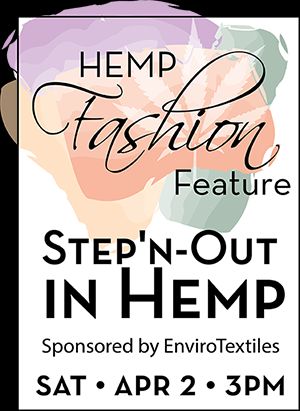
    Sponsored by EnviroTextiles, Step’n-Out in Hemp offers a first-hand view into the world of sustainable, eco-friendly hemp fashions from the companies who are revolutionizing the textile industry today.

    Long-committed to producing quality fibers, EnviroTextiles leads the way in hemp fabric and textile production in Colorado and in the U.S. Mother-daughter duo Barbara Filippone and Summer Star-Haeske have owned and operated the Glenwood Springs green-company in since 2002.

    Their efforts have catalyzed the need for a “cotton” clothing upgrade in the U.S, bridging cultural values through the core of the East Asian hemp trade, and shedding light of the harmful chemicals being used in everyday apparel.

    hemp-fashionAs one of the most durable and long-lasting fibers on the planet, hemp requires less water to irrigate the plant and fewer acres to grow than the standard cotton fiber. Hemp fabric softens over time, and unlike cotton, uses little to no pesticides.[1]

    Showcasing business attire, casual wear and elegant evening gowns, NoCo 3 features hemp fabrics and designs made by Fibre Poet, Hemptique, Recreator, and more like Hemp Blue, an LA-based hemp denim company whose recent Kickstart campaign reached well over its pledged goal of $25,000 in December 2015.

    Importing hemp has been at a high cost to most preliminary manufacturers in the U.S., but given recent changes in state and federal legislature regarding allowing farmers to grown hemp, EnviroTextiles and clothing companies of the like are poised to deliver some of the most natural fibers grown on U.S. soil in years to come.

    Go green with hemp this spring at NoCo Hemp Expo and join us on Saturday, April 2nd at 3:00 PM to support all things hemp and the much-needed movement towards sustainable clothing and textiles in the U.S.

    Press Contact:
    Abbie Marks
    (985) 518-7493
    abbie@nocohempxpo.com


    [1] KY Hempsters. “Hemp vs Cotton: 3 Reasons Why Cotton Is Not King (and Why Hemp Should Be).” Leafly. N.p., 8 Oct. 2015. Web. 16 Mar. 2016.