Category: Lifestyle

  • My Time with Jack Herer, the “Emperor of Hemp”

    My Time with Jack Herer, the “Emperor of Hemp”

    By Andrew DeAngelo

    Industrial hemp was forgotten for decades until Jack Herer wrote his book, The Emperor Wears No Clothes, in 1985. The story of that book being researched and written could fill many volumes. I only got to be with Jack on a small part of that journey when he did volume 2, and it went something like this:

    I graduated college in 1989, in the Los Angeles area, and I needed some weed to sell. Or I had some weed and needed to sell it, one of those two. My older brother, Steve, was a friend of Jack’s and knew he lived nearby. He hooked me up with the “Hemperor,” so I could carry on spreading the seed that would save the planet, a popular phrase of Jack’s in the book. It was how I made a living.

    I remember meeting him for the first time in a parking lot in the Valley. It was a hot, smoggy day that you could cut with a knife. I showed him the weed sample, or he showed it to me, and the discussions of a deal began to unfold. After the terms of the deal and the logistics of the transaction were settled, Jack was hungry and wanted to get a hot dog from a nearby stand.

    He ordered two dogs with everything and two more for me before I could let him know I didn’t eat meat. When Jack made a decision and began to voice it, there was no turning the man back, and it was virtually impossible to say no to him. I was only 21 at the time, Jack was already a legend, and I needed to sell or buy some weed from him.

    I ate the hot dog.

    Before I could finish two bites, he had finished both of his in the most exuberant eating habit I had ever witnessed before or since. Jack didn’t eat his food; he devoured it ravenously. And he talked the entire time he did so. He would spit out rather large pieces of food and get them all over his beard as he talked, or more accurately, preached. Then, without any warning at all, he grabbed one of my hot dogs, engulfed it and continued talking. He did not ask or even gesture if it was okay to eat my hot dog. Before I could protest, the hot dog was gone, and he was making a move for what was left of the one I was eating. Somehow, I fought him off and got the rest of it down my gullet.

    It was at this moment that I knew I was in the presence of a man possessed of divine madness. Jack was stone cold crazy and I damn near freaked out and ran away. The truth was, I was pretty crazy myself and that was what it took to stand by the cannabis plant in 1989, the way Jack and I did. You had to be a little crazy to take those risks and carry that message. There were plenty other ways to make a living, that’s for sure.

    That summer I worked on editing his book and creating the bibliography with him. Jack would insist on large doses of cannabis or other visionary plants as we worked. At the start, I tried to explain to him that this was fairly organizational work and it might be best not to consume those offerings, but that was quickly and ferociously rebuked, and we carried on high as kites.

    It took an enormously long time to finish the edit and bibliography but we eventually did.

    Andrew DeAngelo, like his brother Steve, has been a longtime cannabis and hemp advocate. He is Cofounder of California’s Harborside Health Center, and also served as VP of Ecolution, a hemp clothing company. As a former college professor, he taught theater and film at Chapman University. Andrew and his brother Steve were featured on the Discovery Channel reality TV series, Weed Wars.

  • “Yes, Bob, There Is a Hemp Industry”

    “Yes, Bob, There Is a Hemp Industry”

    “Yes, Bob, There Is a Hemp Industry”

    By Morris Beegle

    In a good-hearted exchange with longtime friend, colleague, collaborator and expert cannabis attorney Bob Hoban, I couldn’t help but challenge a recent article Bob had written in Forbes Magazine where he wondered if we truly have a “hemp industry” in the United States.

    While industrial hemp has been around for millennia, Bob’s point was that hemp should be considered more as an agricultural commodity than its own industry. Further, he wondered if we may have gone wrong in treating hemp as an industry, in that it may have brought on specialized and restrictive hemp-specific regulations. “Wouldn’t it be more advantageous to treat hemp as just another agricultural crop that falls within the existing U.S. agricultural industry? Wouldn’t this truly open up mainstream agriculture to the grand possibilities of the industrial hemp plant?” Bob asked.

    “Put another way, is there a corn industry? A wheat industry? Or just an agriculture industry consisting of corn, wheat, soy, etc.,” Bob asked. “Farmers are farmers — do we really need to specifically classify them as hemp farmers? Extraction processors are processors. Natural products (‘nutraceuticals’) are natural products industry producers; and the list goes on and on down the supply chain,” he wrote.

    To me, the answer is yes, hemp is an emerging agricultural commodity of great potential to multiple industries that can make use of all parts of the plant – but also, yes, hemp is a unique industry in and of its own right, with its own unique history, that needs its own advocacy and representation.

    Hemp is an industry – and a commodity – in a similar way that corn and soy are industries – and commodities. The goal all along has been to get hemp regulated like any agricultural crop, that’s true. But like timber, fossil fuel, corn, soy, dairy and more, all are also considered their own industries.

    Like hemp, corn is used across multiple supply chains including human and animal food, dietary supplements, plastics and biofuels; soy is used in human and animal feed, plastics, industrial solvents, inks and printing, and in other manufacturing. However, corn as an industry in the U.S. has received a total of $113.9 billion in taxpayer supported government subsidies from 1995 to 2019, according to the Environmental Working Group, more than wheat, soybeans and rice combined. The U.S. soybean industry took a hit last year due to the U.S. trade war with China, with American soy producers receiving a big chunk of a $16-billion aid package in July 2019. The “thriving Brazilian soy industry” is reported to be a threat to the country’s rainforests and global climate targets.

    Bob in his article recommends, “It might serve everyone’s interest to attach themselves to pre-existing trade organizations rather than separating themselves from established, standardized industries. For example, a hemp farmer might be better suited attaching himself to a strong farmers trade organization that understands hemp. A cannabinoid ingredient supplier might better attach herself to a natural products or ingredients trade alliance which recognizes the viability of hemp. Do we really need organizations that promote so-called hemp product standards? Or do these standards already exist in more broadly applicable food, supplement, or related regulatory frameworks?”

    I agree and support this recommendation, in that companies selling CBD dietary supplements should consider being a member of the American Herbal Products Association or the Natural Products Association so that they can learn the specific regulations, labeling requirements, GMPs and other practices of that market. Hemp builders can join the U.S. Hemp Building Association. Farmers can affiliate with the U.S. Hemp Growers Association.

    Hemp can serve many industries, and yet, we also should consider it an industry in and of itself. From a lobbying standpoint, we have to collectively promote all aspects of the plant. Yes, CBD will be regulated a little differently from grain and fiber, but as an industry, we have the power to fast forward the development of hemp in the animal feed market, the construction market, the food market, the fashion and fiber market, and more. We’ve got a long way to go to educate the consumer, as well as buyers and sellers in the hemp market. As an industry, together we can make a great impact on why people should be using environmentally friendly hemp products as an alternative to corn, soy, and fossil fuels.

    These hemp sectors are all subsets of larger industries, agreed. And, they are fundamental parts of the overall hemp industry. It’s not either/or. It’s both. Thank you, Bob Hoban, for the lively discussion.

    Let us know what you think: info@letstalkhemp.com.

    # # #

    Cannabis/hemp advocate and entrepreneur Morris Beegle is Co-founder and President of the WAFBA (We Are For Better Alternatives) family of brands, including the NoCo Hemp Expo, the world’s most comprehensive hemp-centric exposition, trade-show and conference, and Let’s Talk Hemp Media. WAFBA also includes Silver Mountain Hemp Guitars, maker of hand-crafted hemp guitars, cabinets and components; the Tree Free Hemp paper and printing company, and more. Spanning education, advocacy and entertainment, Beegle engages audiences around the world through podcasts, digital and print media, radio, television and live events.

  • There Is Healing in the Soil: A Reflection on Being Black in Agriculture

    There Is Healing in the Soil: A Reflection on Being Black in Agriculture

    By Scheril Murray Powell, Esq.

    In February 2020, I spent time in Africa (The Motherland), in Jamaica (my MOTHER’s land), and at agricultural conferences and farms throughout the United States. At one point years ago, I had no interest in spending time outside, much less on a farm. However, when I became a part of the Cannabis industry, that all changed. Cannabis led me to Agriculture and encouraged me to embrace my Agrarian past. I have now come to love my time spent on farms around the world. So as I reflect on another revolution around the sun, I step fully into my profession as a Cannabis and Agricultural Attorney.  I have even come to refer to myself as an Agriculturalist.

    As a young child living in New York, I grew up enjoying my grandmother’s garden.  She planted tomatoes, mint, roses, and corn annually.  The cycle of planting season, harvest, and then the fall season was a part of my life, but I barely noticed it.  Once we moved to Florida when I started high school, my parents started to plant fruit and vegetables that they’d longed for from their past life in Jamaica. We had bananas, numerous citrus fruits, varieties of mangoes, Ackee (the Jamaican National Fruit), coconuts, June Plum, yams, and sugar cane growing in the yard. Each month represented a season of harvest for different plants. Though my parents had lived in the United States for decades, they had not forgotten the “goodness” of freshly grown food on your plate, especially if grown by your own hands. In contrast, I could not tell one tree from another unless the identifying fruit was in season. When I visited my family in Jamaica, there were chickens in the yard and goats traveling up and down the streets. However, I did not associate those animals with livestock farming; they were just my entertainment.

    Later in life, I found unexpected links to these memories within my Cannabis journey. As soon as I started participating in the cannabis community, I noticed the lack of diversity, especially with regard to the inclusion of brown people. The “Farm to Pharmaceutical” and “Farm to Bedside Table” movement did not reflect my community nor my heritage. Black people have been farming and feeding America for CENTURIES. Why then in this lucrative farming opportunity known as Cannabis, did I fail to see significant numbers of black people gaining cultivation licenses in my beloved industry? How did we get here? In order to answer that question, I explored my own relationship with agriculture and with the soil.

    The Trauma of Enslavement

    There is a lot of trauma associated with black people and the soil. Many of us associate farming and working in the soil with the historical period of enslavement. The image of black people toiling in the soil reminds us of oppression, forced labor, rape, and torture. Despite the gardens of my childhood, I was one of those people. But as I started to attend Black Farmers’ Conferences around the country, I noticed some alarming trends. The first trend is that black farmers were aging and I did not see enough of my generation or the next who were willing to follow in the profession. I also took note of the fact that there was not as much discussion of technological innovation at these conferences akin to those I saw in the mainstream conferences.

    I knew that part of my mission was to first address my trauma related to working in the soil and then encourage more black people to do the same, especially younger black people. Farming, bringing a seed to life, and stewardship of the land, are all important parts of our heritage that need to be preserved. I committed myself to spending more time on farmland, and as I did so, I fell in love with it. I started taking Agriculture certification classes offered for new farmers by Dr. Gilbert L. Queeley, PhD., at Florida A & M University so that I could be credible in my outreach to Black Farmers. At this point, I transitioned from being solely a Cannabis Attorney, to an Agriculture Attorney as well. I also changed my language about the era of enslaved people of the African Diaspora in the United States. In Ghana, I was reminded by Dr. Princess Asie Ocansey, a prominent member of the Ghanaian royal family and internationally-recognized business engineer and humanitarian activist, that Black people were never simply slaves. They were scientists, doctors, philosophers,  community leaders, teachers, mothers, sons, daughters, fathers, architects, builders, hunters, who were enslaved by people who would commit treacherous acts in order to have free labor.

    In my recent trip to Ghana, I got to put my feet in the water of the other side of the Atlantic, which would have been the last part of home seen by those who were enslaved and brought to America. I was also given my African name: the name that I would have had if my ancestors’ lives had not been disrupted by enslavers. By knowing my name – Ama (born on a Saturday) Serwe (beloved daughter of the king) – I felt a bit of fog clearing with regards to my identity. I could reposition the 400 years of enslavement and trauma as just a “pause,” allowing me to determine who I was meant to be and how  I was meant to contribute to my community. There is power in restoration and having a mindset of overcoming the past. And as we know, your past does not dictate or define your future.

    Trauma of Incarceration

    In the Black community of the United States, it is safe to say that everyone knows someone who was incarcerated for a cannabis-related crime. I often say that a Cannabis charge is the gateway to the prison industrial complex. As a result, it is difficult to initiate a conversation with a Black Farmer about growing Cannabis. This is also true for hemp, even though it was legalized and descheduled at the Federal level by the 2018 Farm Bill. When I speak to black farmers about growing Cannabis, there is a hesitation because our experience demonstrates that a person can be locked away for decades for just a joint.

    The Great Migration

    The HBO series The Watchmen opens with a scene of the brutal elimination of “The Black Wall Street” in Tulsa, Oklahoma through the massacre of 1921, known as the single worst event of racial violence in American history. Unfortunately, this was not an isolated occurrence in post-enslavement America. A self-sustaining community of black people was considered a threat. Lynchings were a common occurrence well into the 20th Century. As a result, many black people left their land, their Agrarian professions, and everything they knew in order to move North for safety and opportunity. Some spoke of their family’s history in the South, others never mentioned it again due to the pain, and their children knew better than to ask. We became detached from our love of growing food and the land.

    At one of the minority and small farmers conferences where I speak, I met Lillian “Ebonie” Alexander, Executive Director of the Black Family Land Trust, one of the nation’s only regional land trusts dedicated to the preservation of Black and other historically underserved landowners’ assets. Alexander did an excellent presentation detailing exactly what was lost during this migration. However, as is evident through the very existence of her organization, this relationship with the soil is still present in our DNA. I believe that is a huge contributor to the growing number of black people who are embracing Urban Agriculture in cities across America.

    The Decline in the Number of Black Farmers

    The most recent USDA census indicates that the percentage of Black Farmers is at 1.6%, which is not representative of the percentage of Black People in the American population. In 1920, that number was 17%. The trauma and migration discussed earlier partially explain why that number has not increased over time. Further explanations include the generational gap between older farmers with experience and the younger generation, in addition to the issue of the documented systematic elimination of black farmers due to access to capital issues and unfair practices.

    Despite these factors, I believe that cannabis can bridge that gap and create an “Agricultural Renaissance”. It is time for us to take back control over what we put into our bodies and how we nourish ourselves. So much of our well-being, health, and quality of life is tied to what we put into our bodies and the best way to control that is to grow your own. My mom refers to planting and nurturing her plants as therapy. I really believe that there is a level of healing that we as black people cannot tap into unless we reclaim our relationship with the soil and living things.

    Moving Forward

    When I speak at conferences around the world, I encourage people of color to get involved with growing their own food. If I, a person who barely went outside to witness the family garden, could become an Agriculturalist and hemp farmer, then anyone can restore their relationship with farming and the soil. An important part of this transition is finding available resources. I have learned the most by attending farming conferences, taking courses, and reaching out to extension programs of local Universities. I am now the Executive Director of the Black Farmers and Agriculturalists of Florida. This is not something that I would have predicted ten years ago. My consulting firm Green Sustainable Strong  works with farmers all over the world. My recent trip to Ghana has inspired me to incorporate contributing to the continent of Africa into our Agricultural Development Strategy.

    Black Farmers in this  country have always been a vital and necessary presence. They are not going to disappear on my watch.

    About Scheril Murray Powell

    Scheril Murray Powell is an Agricultural and Cannabis Attorney.  She is In House Counsel for Sunflora/ Your CBD Store.  She is the former Director of Federal Affairs for the Florida Department of Agriculture and current Executive Director for the Black Farmers and Agriculturalists of Florida. She is on the Board for the Hemp Feed Coalition and U.S. Hemp Roundtable.  She is President of Green Sustainable Strong, LLC, SMP Staffing, LLC, and Cannurban.com. Scheril is the recipient of the Crohn’s Foundation Blood, Sweat, and Tears Award and the Cannabis MVP Award from the Cannabis Business Award. She works on legalization efforts with leaders of Foreign Nations.

  • Is CBD Isolate Losing Its Appeal?

    Is CBD Isolate Losing Its Appeal?

    By Tim Gordon, Chief Science Officer, Functional Remedies

    As full-spectrum hemp products are being recognized as the best options for our bodies, CBD and cannabinoid isolate products are trending differently. In the ever changing cannabis industry, we have witnessed the rise and fall of isolated cannabinoid products. In 2015, at the start of the legal hemp industry, the emerging CBD market began to take hold. Through 2016 and into 2017, isolated CBD was selling for upwards of $5,000 per kilogram and the market was on the rise. CBD extraction companies were setting up shop across the country in hopes of joining the emerging industry and seeing large financial returns.

    At the same time, multiple companies in the pharmacopeia world were conducting research on the CBD molecule. The research being conducted was specific to certain conditions or ailments but within that specific research, between the lines, were some very telling facts about how CBD works and its potential toxic and damaging effects on the body.

    As the CBD industry entered into its third and fourth years of maturity in the United States, the tell-tale signs of an industry on the brink self-imploding began to rise. The commoditization of CBD began to show itself across the country. Large CBD companies began massive layoffs, farmers were told their contracts could not be fulfilled, some companies began closing and filing for bankruptcy. We watched as the market flooded with product and the price began falling below $1,000 per kilogram for CBD isolate.

    Research in the world of pharma continued to thrive with more details as to potential side effects of a CBD molecule. GW Pharma’s research has been used in reference by the FDA on its findings of their CBD-based drug Epidiolex, which showed promising signs for certain disorders but also potentially compromising signs of liver toxicity and reproductive issues.

    As the hemp-cannabis industry continues into its fifth year of growth, many factors will influence its further development. Regulations from the USDA and multiple federal agencies will be put into place. Pharma will continue research and development with isolated CBD and mixed isolated cannabinoid products. More education as to why CBD alone is not the best for our bodies will emerge. Where that will leave CBD extraction and isolate companies is unknown.

    Tim Gordon has the honor of serving as founder and Chief Science Officer for Colorado-based Functional Remedies, a leading manufacturer of hemp-based cannabinoid products in the United States.

    Photo Credit: Unsplash

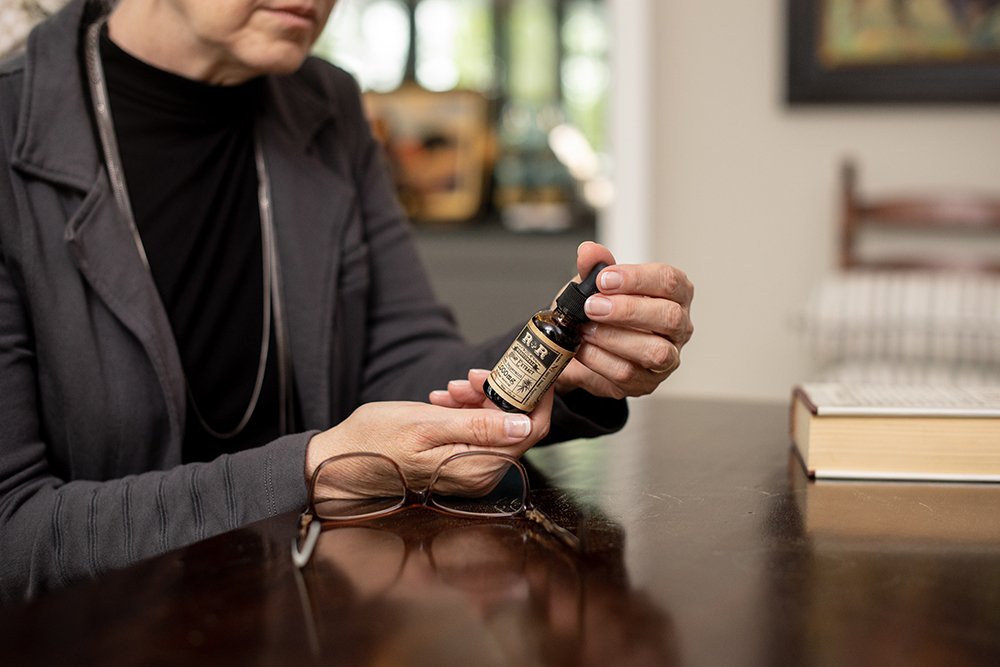
    Hemp and cannabinoid expert Tim Gordon, founder and Chief Science Officer of Functional Remedies, explains why full spectrum cannabinoid products may be safer – and sell better – than products made from CBD isolate.

    News Briefs

    Pre-Order Your Copy of Doug Fine’s New Book, American Hemp Farmer in Time for NoCo Hemp Expo!

    American Hemp Farmer, the sixth book from author Doug Fine, follows the rigors and pleasures of an entire hemp season from soil preparation and genetics acquisition through harvest and regenerative marketing. It’s immersive. It’s wildly funny. The follow up to Doug Fine’s bestselling Hemp Bound, American Hemp Farmer pulls no punches, and because it is written by an actual hemp farmer and entrepreneur, it tells you what you need to know if you want to join the hemp renaissance.

    “As a hempcrete homeowner, American Hemp Farmer is the must-read book on hemp I’m proud to keep on my shelf. Someday we may even see NBA arenas built from hemp. But for now, Doug should be prepared to lose more money at the poker table that sits on the hemp floor in my hemp-paneled card room.” – Don Nelson, NBA Hall of Fame Inductee

    Pre-order American Hemp Farmer now. Use code EXPO and you can also pick up your copy, signed by Doug Fine, at the upcoming NoCo Hemp Expo, March 26-28, 2020, in Denver.

    Pre-Order American Hemp Farmer Here
    https://www.tatteredcover.com/pre-order-american-hemp-farmer

  • The Bear Attack That Made Me a Hemp Farmer

    The Bear Attack That Made Me a Hemp Farmer

    By Doug Fine, Independent Hemp Farmer and Goat Herder

    Excerpted from Doug Fine’s sixth book, American Hemp Farmer, along with the author’s reflections on America’s hemp producers, rural communities, climate change, and the five-year process behind writing his new book.

    Six years ago, a bear fleeing a wildfire in our New Mexico backyard killed nearly all of my family’s goats in front of our eyes. It wasn’t the bear’s fault; he was a climate refugee. It was June 2013, and drought had weakened the ponderosa pines and Douglas fir surrounding our remote Funky Butte Ranch. Beetles took advantage, and all of southern New Mexico was a tinderbox. Ho hum, just another climate event that until recently would have been called a “millennial” fire.

     That’s the paramount reason I’m an overworked employee of the hemp plant: The people I care about most are one blaze away from joining the world’s 20 million climate refugees. At least I get the pleasure of putting “goat sitter” under occupation on my tax form.

     The conflagration convinced me that I had to do something, personally, to work on this climate change problem. After some research about carbon sequestration through soil building, it became clear that planting as much hemp as possible was the best way to actively mitigate climate change and help restore normal rainfall cycles to our ecosystem.

    Fired Up on Hemp

    At least the fire’s timing was good. Hemp was de facto legalized for “research purposes” in 2014, two months before the publication of my earlier book about hemp, Hemp Bound. I’ve spent the five ensuing years not just covering the new industry but joining it: developing genetics in Oregon and a farm-to-table product in Vermont; consulting, filming, and speaking all over the world; working on university research in Hawaii; and teaching a college course near the Canadian border in Vermont.

     Most of all, I met, farmed and processed with dozens of fellow hemp farmers, all over the world. We all consider ourselves part of a functioning regenerative industry niche, with a mission statement best described as “This Time the Farmers Are In Charge.”

    *     *     *

    American Hemp Farmers: Outstanding in their Field

    As anyone who has leapt in can attest, planting hemp and making a living at it can be two different endeavors. American Hemp Farmer blueprints possibilities for independent farmers like myself who’d like to do both, particularly on their own land. If a lot of things go right, an independent farmer (or a farmer cooperative) can make a viable living on a small number of acres. That ain’t exactly the way agriculture has been going for the past century. Just how many acres depends most of all on the part or parts of the cannabis plant you are cultivating (seed, flower, fiber, root). Another variable is whether you’re planning to create a value-added product. A third is if you’re going at it alone or in partnership with others. Regardless, the good news is being in a hemp field is the most fun you can have outside the bedroom.

    If you’re like me, you learn to relish every moment on the farm, because often at this early phase we have to shape regulatory policy, which means spending time off the farm. In fact, as any hemp permit holder in any state can tell you, we’re in a bit of a code red situation at this moment – right as American Hemp Farmer comes out, those of us who want to see the regenerative hemp industry thrive are rallying to immediately raise the federal THC definition of hemp to 1 percent.

    Why 1 Percent?

    There are a lot of reasons for this, but the immediate catalyst is that the USDA interim final regulations that came out in December criminalize THC above .5 percent. That, of course, is insane. Plus, far too many farmers are testing “hot” over micro-amounts of THC under today’s antiquated .3 percent definition of hemp. The last folks who should be burdened about THC are farmers. The war on cannabis is over. Cannabis won.

    Still, I think you gotta give thanks for bad bureaucratic decisions: everyone’s justifiably fired up, and we’re going to win this one, just like we’re going to win all battles that need to be fought to support the regenerative hemp farmers who are sequestering carbon while re-building rural communities. So, we gotta tweak federal law again. No biggie. Please join us. Call your congressperson and senators today on this. Especially if you live in Kentucky or any state where your congressional delegation isn’t yet officially on the 1 percent bandwagon. Let’s get this one done this year so we can really build our genetics with confidence. Regenerative farmers are going to save humanity.

    There’s much more policy to discuss, but the field is where the endorphins flow. It’s a sunny day here in the Land of Enchantment, so I’m heading out to lay some goat poop-laden organic alfalfa on my future 2020 field. Yikes, less than four months until planting! And I’ve got a dang book tour, which I’d love you to check out, with more dates being added all the time. Visit here for more info. Plus, I look forward to seeing you at the upcoming NoCo Hemp Expo in Denver.

    See You at NoCo 2020!

    In closing, it’s so appropriate that American Hemp Farmer is celebrating its release at the 7th Annual NoCo Hemp Expo, March 26-28, 2020, at Denver’s famed National Western Complex. For one thing, it’s the biggest and best hemp event in the world – a must-attend immersion if you’re considering leaping into hemp, the biggest economic development opportunity since Silicon Valley.

    Also, at the 1st annual NoCo Hemp Expo in 2014, which had 19,500 fewer attendees than NoCo7 will, I performed my first live event following the publication of Hemp Bound. Morris, Lizzie, Lori and the whole NoCo Hemp Expo family have been supporting my work (and regenerative hemp agriculture) nonstop ever since.

    Supporting Independent Bookstores

    You can pre-order American Hemp Farmer, and if you pre-order via the link below (and use code EXPO), you’re supporting independent bookstores – in this case Denver’s magnificent Tattered Cover. They’ll ship anywhere, and when the book hits general release following NoCo7, you’ll be able to get it everywhere.

    Also, my NoCo7 keynote and book signing times will be announced soon. To stay in the loop for the latest, you can join my Dispatches From the Funky Butte subscriber list. Hope y’all are feeling the profound thanks I’m beaming to everyone who reads American Hemp Farmer and Hemp Bound. I couldn’t do what I do without you.

    –DJF, Funky Butte Ranch, January 20, 2020

    Pre-Order American Hemp Farmer by Doug Fine here: https://www.tatteredcover.com/pre-order-american-hemp-farmer

    # # #

    Doug FIneAbout Doug Fine

    Doug Fine is a solar-powered goat herder, comedic investigative journalist, bestselling author, and pioneer voice in regenerative farming, including cannabis/hemp. He has cultivated hemp for food and seed-building in four U.S. states and teaches a hemp class at Sterling College in Vermont. In addition, he is an award-winning culture and climate correspondent from five continents (for NPR, the New York Times, and the Washington Post, among others). His books include American Hemp Farmer, Hemp Bound, Too High to Fail, Farewell, My Subaru (a Boston Globe Bestseller available in two Chinese dialects), Not Really An Alaskan Mountain Man, and First Legal Harvest, a monograph that was printed on hemp paper. Willie Nelson calls Doug’s work “a blueprint for the America of the future.” The Washington Post says, “Fine is a storyteller in the mold of Douglas Adams.” A website of Doug’s print and radio work, United Nations testimony and TED Talk is at dougfine.com and his social media handle is @organiccowboy.

    News Briefs

  • Hemp’s Historical Fabulous Fashion Journey

    Hemp’s Historical Fabulous Fashion Journey

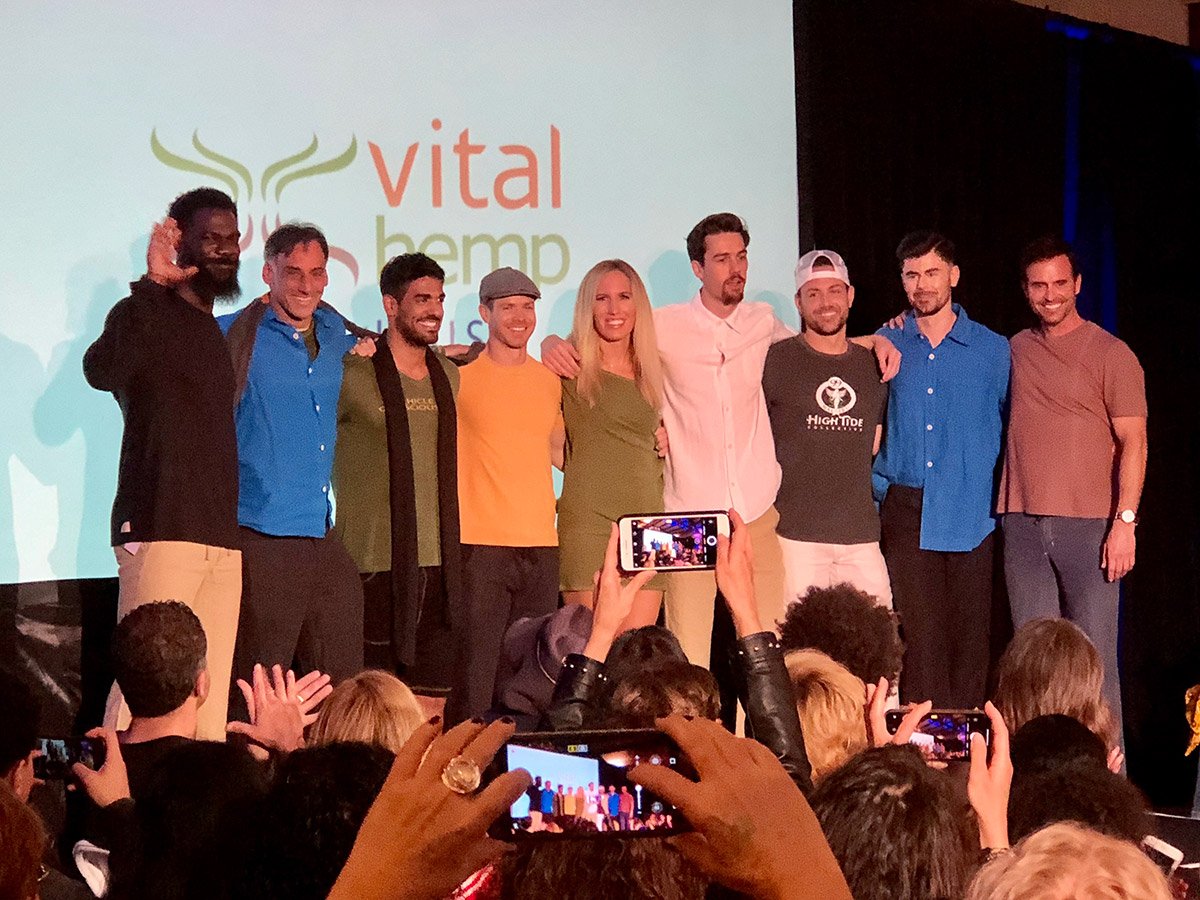
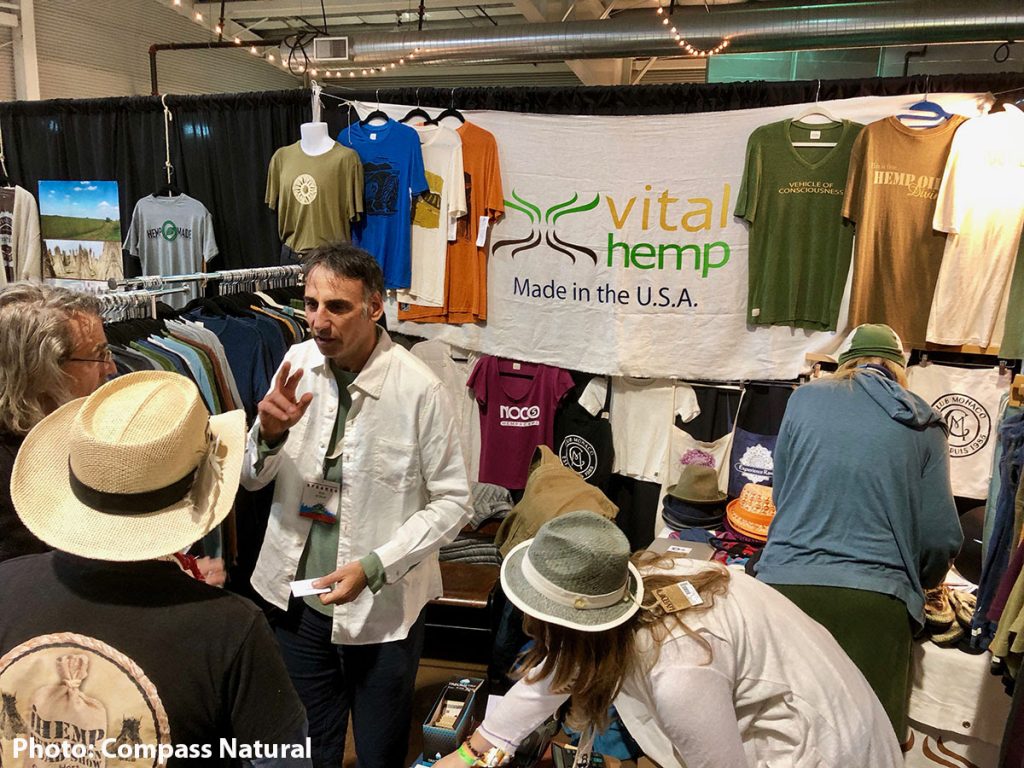
    CAPTION:  Hemp-based clothing brand Vital Hemp was featured on the runway at the Style & Sustainability Fashion Show in Santa Monica, CA, in December 2019, presented by the City of Santa Monica’s Office of Sustainability and the Environment, Lexus Santa Monica, and Sustainable Works.

    By Heather Collins

    Cotton, silk, satin, and lace might be up against some strong competition in the next few years thanks to the growing use of sustainably produced hemp in textiles and fashion. Hemp, which is no stranger to the textile world, has actually been cultivated globally for centuries for fabric. In fact, according to the blog My Hemp Craft, hemp was a familiar and natural material used for rope during ancient Egyptian times and was also used as cloth for sails on ships throughout history, as it could weather storms crossing the seas (indeed, the word “canvas,” for the heavy cloth used in sail making, is derived from the word cannabis.)

    Additionally, My Hemp Craft points out that while material evidence of hemp used in ancient times dates back only 9,000 years, pottery and metal objects with hemp rope-like impressions have been found at archaeological sites dating back as far as 26,000 BC. These findings suggest that our Paleolithic ancestors made use of the fibers of this versatile plant.

    Sturdy and durable, hemp gained popularity in the United States when Presidents Washington and Jefferson both proudly grew hemp on their plantations. According to the blog THCINT.com/Hempology, it was once mandated that Americans were to grow hemp during the Colonial Era.

    The hemp plant, when grown as a clothing material, grows significantly taller than other cannabis varieties, and it has noticeably longer fibers. The long fibers are what give hemp its strength when made into rope, clothing, bedding, or upholstery. Hemp fiber has been successfully made into shirts, handbags, shoes – you name it. It’s a strong cloth that is both appealing from an environmental and design standpoint, and hemp’s benefits outweigh other materials, such as cotton and polyester.

    Research published by SEI indicates that cotton needs about 50% more water per season than hemp, which can grow with little irrigation. More than 70% of the global cotton harvest comes from irrigated land, which poses a risk for groundwater contamination. Hemp takes very little water and is strong enough to grow in fields without depleting natural resources.

    According to Hempology, 42 hemp mills were built in the United States in 1941, primarily in the Midwest. Hemp was a popular commodity, and farmers were drawn to its appeal as a cash crop. Also, there was a sincere sense of patriotism by growing domestic plants versus buying hemp from abroad. Once the mills started production, hemp was revered as an innovative and cutting edge product. However, in 1944 the government shut down the hemp mills, citing lack of needs due to “war purposes.” Essentially, those farmers who were growing about a million acres of hemp suffered financial despair, as they were expecting to reap a significant profit thanks to hemp’s bounty. Ultimately, the farmers had nowhere to turn to manufacture their crops due to the government’s orders to shut down.

    Hemp in Everyday Fashion

    Today, Patagonia, Inc. and popular fashion brands are taking note of the benefits of hemp, as it is more absorbent, and easy to blend with other fibers in clothing. In fact, Patagonia created a mini-documentary highlighting the history of hemp and its potential power to create soft, light, and breathable fabric. Thanks to the passage of the U.S. Farm Bill in 2018, eco-fashion brands realize the regenerative agricultural potential hemp has in creating more jobs domestically and sourcing U.S.-grown hemp for their clothing lines.

    Iconic U.S.-based blue jeans brand Levi Strauss has been experimenting with hemp fabric by combining it into its cotton jeans for several years and discussed its plans with the Business Insider. Product innovation teams at Levi’s indicate that they have been using hemp in blue jeans, but they still need time to truly ‘cottonize’ it and make it soft and appealing for everyone. With sustainability at its core, Levi’s developers acknowledge this process will take time to make hemp the softest, most durable textile that provides a good fit and a lasting pair of jeans.

    Featured recently at a sustainable fashion runway show in Santa Monica, CA, Vital Hemp founder Ron Alcalay has long expounded the benefits of hemp fashion for everyday living. “Hemp’s come a long way and so has Vital Hemp,” he says on his website. “We intend to reintroduce people to the superior qualities of hemp by producing the most comfortable, healthy and sustainable hemp clothes possible. As vital members of the sustainable business community, we aspire to be a part of the groundswell…re-legalizing the cultivation of industrial hemp in the U.S.A. so that we can all benefit from the myriad uses of this amazing plant—for clothing, food, paper, fuel, and so much more.”

    Even footwear is exploring the benefits of hemp with shoe designers ready to go the extra mile by utilizing hemp as its main fabric. Take it from year-old company DopeKicks, the first waterproof hemp tennis shoe. They believe their sustainable footwear is not only fashion-forward but also “the coolest, eco-friendly, super resistant and waterproof shoes accessible to everyone.”

    After a long day, Jungmaven wants everyone to lay down in comfort to the soft, appealing cloud-like feel of hemp sheets, pillows, and blankets every night. The bedding brand uses sustainable hemp material to create luxurious products for a healthier future for the planet.

    Interested in learning more about hemp’s journey into fashion? Be sure to join in on the fun for a hemp-centric Fashion Show at 7th Annual NoCo Hemp Expo, March 26-28, 2020, at the National Western Complex in Denver. Tickets are available at https://nocohempexpo.com/.

    PHOTO: Compass Natural (photo of Vital Hemp fashion models on stage)

    \# # #

    Heather Collins is a seasoned Public Relations professional who works closely with Compass Natural Marketing on lifestyle and hemp brands. Additionally, Collins has operated h | c marketing and communications, an independent project-based firm that provides strategic insight to clients within the natural products industry, including national trade associations plus, renowned leading health and wellness experts.

    News Briefs

  • Hemp Futures: Trends to Watch in 2020

    Hemp Futures: Trends to Watch in 2020

    By Steven Hoffman

    In the year since hemp became legal in the U.S. under the 2018 Farm Bill, the hemp industry has quite literally taken off. Retail sales of CBD products in the U.S. alone are expected to surpass $1 billion in 2019, a 133% increase over 2018 sales, and Hemp Industry Daily projects retail CBD sales will increase to $10.3 billion by 2024, representing a five-year compound annual growth rate of 54%. Indeed, “2019 will forever be remembered as the year that launched America’s CBD craze,” observed Patrick McCarthy, CEO of ValidCare, a market intelligence and research platform for the hemp products industry.

    While legalization has spawned a burgeoning industry, challenges for hemp operators proliferated in 2019. Retailers, vendors and other entrepreneurial businesses had difficulty finding banking and credit card companies that would work with them. FDA in November issued a consumer advisory questioning the safety of CBD along with warning letters to 15 companies, setting off late-year uncertainty among businesses that sell CBD in food, beverages and dietary supplements. For farmers, USDA’s interim hemp regulations, published in October, have generated controversy around proposed testing procedures and potential for farmers to bear an undue burden of costs if crops need to be destroyed.

    They say hindsight is 2020. If so, what better year for the hemp industry to remain proactive on all fronts. On the wish list for a new decade is the opportunity to co-create an industry built on authenticity, transparency, entrepreneurship, innovation, diversity, equal opportunity and cooperation, as well as one committed to promoting local economies, social responsibility and environmental stewardship.

    Here’s a sampler of some of the hemp industry’s top issues, predictions and business opportunities to consider as we enter 2020 and a new decade.

    Product Safety, Transparency and Reliability

    “Today’s consumer cares about where the products they put in, and on, their bodies come from. This trend will hit the hemp industry next, as consumers demand information on plant origin, farming practices, product composition and sustainability,” says Patrick McCarthy of ValidCare. In addition, “broad categorical approval of CBD by the FDA won’t move forward until [industry] leaders band together to provide the safety data FDA is requesting. Until this happens, expect more FDA and FTC letters and class actions to chip away at consumer confidence and add risk and cost to branded operations,” he cautions in his new report, Ten Predictions for the Hemp-Derived CBD Industry in 2020. McCarthy also advises that as consumer sophistication grows in 2020, “they will demand easy and reliable ways to measure amounts when consuming or applying CBD and other cannabinoids. This will be driven by consumers and regulators alike, requiring ‘metered’ calibration of applicators like droppers or pumps, and standardization of serving sizes for consumables. Milligrams matter,” he adds.

    Ditching the Pharmaceuticals

    As consumers adopt CBD products, they are increasingly ditching the pharmaceuticals used for anxiety, depression and other mental health and physical issues. “Today, one in five Americans report they use hemp-derived CBD for “mental health reasons” such as anxiety, says McCarthy. “In 2020, we’ll see even more people ditch Prozac prescriptions for non-impairing hemp-derived CBD to support their mental health goals. Expect brands targeting this audience to commission research on hemp-derived CBD’s functional benefits for mental health.” In addition, McCarthy notes that the “AARP crowd is one of the largest demographics using hemp-derived CBD for chronic joint pain and sleep. Expect this trend to increase as Boomers seek to replace prescription and OTC pharmaceuticals with hemp-derived products – and to lobby for coverage and/or reimbursement through FSAs, HSAs and supplemental Medicare policies,” he predicts.

    Certification

    Discerning consumers seeking CBD supplements produced without the use of toxic, synthetic pesticides, or synthetic nitrogen fertilizer, much of which is derived from fracking, will be looking for the USDA Certified Organic seal on products. Also, in March 2019, the U.S. Hemp Authority announced 13 companies had achieved the U.S. Hemp Authority Certified Seal, established to elevate consumer confidence in product quality and safety. Expect more demand for Kosher certification and other certification programs in the future.

    Using the Whole Plant

    The coming decade will see the focus move beyond CBD to the whole hemp plant, many experts predict. “I think a lot of…farmers are going to realize that the cannabis plant is not a CBD plant, Marysia Morawska, Horticulture Educator at the University of Nevada, Las Vegas, predicts in Hemp Industry Daily. “What we’re going to see is a movement toward a trifecta or even quad-usage plant – so, something that’s utilized for the hurd, for the fiber, for the flower, for the grain. And once we realize what those genetics are, we’ll end up realizing that each region specifically has growing styles that will be differentiated by the genetics of that region. And we will move into a place where processing will include not just CBD.”

    Tribal Hemp

    South Dakota Governor Kristi Noem may be no big fan of hemp, but Native American tribes in the state and throughout the country are embracing hemp. In South Dakota, the Flandreau Santee Sioux Tribe and Oglala Sioux Tribe have filed applications with the USDA to grow hemp, and the Rosebud Sioux Tribe plans to hold a vote on hemp before applying, reports U.S. News & World Report. Muriel YoungBear, a member of the Meskwaki Nation in Tama, Iowa, and a University of Kansas graduate student studying business, has been networking with industry leaders, visiting Colorado growing operations and working within tribal economic development circles to become an educational resource for native nations in producing hemp and added value hemp products. Oglala Lakota tribal elder Alex White Plume has become a leading hemp producer and an inspiration to others. Meanwhile, Winona LaDuke, a Water Protector, former candidate for Vice President of the United States, and founder of the Anishinaabe Agriculture Institute, is leading a hemp fiber renaissance in northern Minnesota, advocating for developing hemp textile mills and helping to drive economic opportunities in hemp production for Native Americans throughout the U.S.

    Infrastructure Needed

    Licensed hemp acreage quadrupled in 2019, but the industry’s infrastructure wasn’t equipped to handle rapid growth. “While there is certainly expansive demand for hemp and hemp-derived products, there is a critical lack of processors capable of keeping up with such, due primarily to a lack both of hemp processing equipment or a mature supply chain,” writes Chris Hudock in New Frontier Data. “In the coming year, the introduction of new processors and established markets will remain vital to the pace and overall health of the industry” he says.

    FDA Guidance Could Take Time

    With growing popularity and marketing hype surrounding CBD products, federal regulators are challenged to conduct research and establish policy, and this could take not months but years. Questions of health and public safety abound, especially as less scrupulous manufacturers and marketers make unsubstantiated health claims about the effectiveness of CBD products. Add to that the mysterious vaping crisis in 2019. “You can’t go from zero to one hundred without the government needing to feel like it’s doing its job. There are checkboxes that bureaucrats and agencies need to see, and by statutory mandate, it’s the FDA’s core job to protect consumers,” says Bob Hoban, President and Founder of the Hoban Law Group. However, with regard to FDA’s warning letters, “Stop making claims,” Hoban urges marketers of CBD products. “The FDA’s perspective in [its] consumer update assumes there are no studies. This is inaccurate. And the legality of hemp derivatives is clear. If the FDA has studies that challenge the World Health Organization’s, and indicate toxicity, those should be released immediately. But every time the FDA says the words hemp or CBD the industry shakes and the media runs wild. Unless the FDA has some steak, all this sizzle is just adding to the noise. Do we really need more of that?” he asks.

    Consolidation on the Horizon

    With Canadian companies acquiring U.S. hemp food, beverage and CBD businesses, along with competitor consolidation, as witnessed by the 2019 merger of RE: Botanicals and Palmetto Harmony, expect more mergers, acquisitions and consolidation as businesses and investors seek to gain efficiencies and improve the top and bottom line in a young, but highly competitive market.

    Continued Growth, But Better Planning Required

    “The hemp industry will surely experience explosive growth in 2020 as the USDA and FDA begin to release rules, take comments and eventually implement said regulations,” predicts Ray Mazzie, Director of Hemp Industries Association Florida, in Hemp Industry Daily. “Compliance and learning from others’ mistakes will prove to be invaluable to 2020 hemp operators, regardless of where they sit in the supply chain,” he advises. Adds Mark Case, Founder and CEO of Knoxville, TN-based International Hemp Auction and Market, “2018 was a gamble but a good year for most. 2019 was a gamble but a thin year for most. 2020 is not a year for gamblers. Rather, it will be successful only for those who are wise and prudent, fully integrated and who work with a good business plan to go the long haul.”

    Photo by cottonbro from Pexels.

    # # #

    Steven Hoffman is Managing Director of Compass Natural, providing brand marketing, PR, social media, and strategic business development services to natural, organic, sustainable and hemp/CBD products businesses. Compass Natural serves in PR and programming for NoCo Hemp Expo and  Southern Hemp Expo, and Hoffman serves as Editor of the weekly Let’s Talk Hemp Newsletter, published by We are for Better Alternatives. Contact steve@compassnaturalmarketing.com.

  • CBD Retail Landscape is Rapidly Evolving

    CBD Retail Landscape is Rapidly Evolving

    November 14, 2020

    CBD Retail Landscape is Rapidly Evolving

    By Hemp Industry Daily
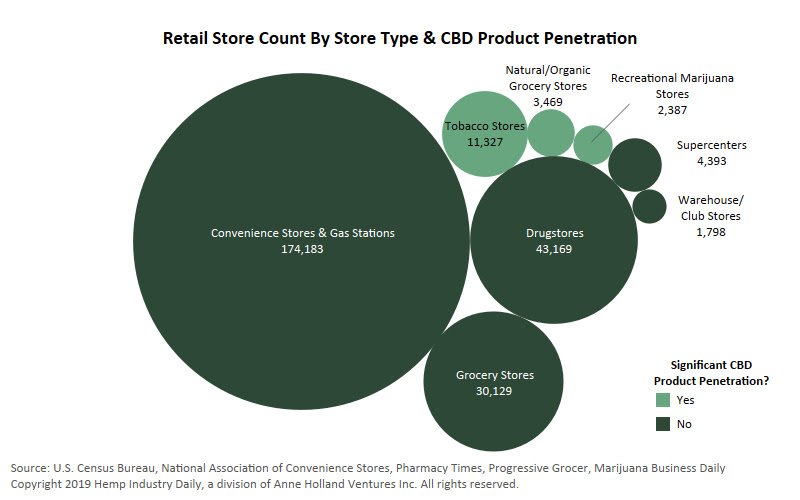
    After spending years as a niche item in specialty stores, CBD-infused products have found their way onto the shelves of prominent retailers – and the ingredient’s presence and availability may yet increase.

    This week, CBD companies announced a number of new distribution deals. Consider:

    • Southeastern Grocers joined the CBD category, announcing it will begin selling a range of 65 CBD products at 152 Winn-Dixie and Bi-Lo supermarkets in Florida and South Carolina. The grocery chain will carry topicals, supplements and pet products from Charlotte’s Web, PlusCBD Oil, Medterra, Veritas Farms, Sunsoil, Irwin Naturals and Harmony Hemp. With 570 stores in seven states, Southern Grocers said it will consider expanding distribution of CBD products into additional locations in 2020.
    • In its largest distribution deal to date, Straight Hemp of Arvada, Colorado, said it will sell its CBD oil and topical products in 57 Earth Fare health-food stores across 10 states from Ohio to Florida.


    News Briefs

    Making Sense of USDA’s Hemp Rules
    by Garrett Graff

    Responding to the USDA’s Interim Final Rule on Hemp
    by U.S. Hemp Roundtable

    Veterans on the Front Lines with Hemp Brands
    by the Hemp Mag

    Hemp Road Trip Releases Full-length Documentary
    by Hemp Road Trip

    Headline News

    CDC Links Vaping Illness to Vitamin E Acetate
    by Vox

    Economist: Hemp Has Potential to Become Nation’s Third Most Lucrative Crop
    by Willamette Week

    More than 500 People Have Submitted Comments on USDA Hemp Rules So Far
    by Marijuana Moment

    What New Federal Hemp Rules Mean for Idaho and it’s Seizure of Hemp Shipments
    by the Idaho Press

    Lab Explosion and Fire Causes Major Damage at GenCanna Facility; No One Injured
    by the Louisville Courier Journal

    Hemp Research Company Files $1 Billion Claim Against California’s Kern County Over Destruction of Crop
    by KGET NBC News Bakersfield

    USDA, Vicente Sederberg Release Videos Explaining New Hemp Regulations
    by MG Magazine

    Police Busts Highlight Confusion Over Hemp, CBD
    by Channel 6 NBC News Miami

    People Keep Stealing Hemp Crops, Thinking It’s Pot
    by the Philadelphia Inquirer

    Western Pennsylvania Hemp Processing Facility Ordered to Shut Down
    by the Tribune-Review

    Producer Complains FedEx Seized Shipment of Hemp Samples
    by NewsChannel 9, Chattanooga, TN

    International News

    Germany Aligns with European Commission on Novel Food Classification of CBD
    by NutraIngredients

    Dixie Brands Launches Aceso Hemp Brand in Latin America
    by Yahoo Finance

    Nutrition Maker Youngevity International Inks Deal to Grow Hemp in Nicaragua
    by Seeking Alpha

    Latvian Micro-Decorticator for Small-scale Producers Enters Production, Now on Sale
    by HempToday

    CBD and Suppliments

    Sales of Hemp Raw Materials for CBD Supplements Hit $60 Million in 2018
    by New Hope Network

    Rising Expenses, FDA Uncertainty Hamper Charlotte’s Web Third Quarter Performance
    by the Green Market Report

    Natural Industry Veteran Sheldon Baker Launches The 420 Area Code Talk Show
    by the 420 Area Code

    FDA Says It Needs New Tools in Face of CBD Explosion
    by NutraIngredients-USA

    High Times Magazine Profiles Hemp Vs. CBD
    by High Times

    Food and Beverage

    Tilray CEO Credits Increased Revenue to Acquisition of Manitoba Harvest
    by MarketWatch

    Jones Soda Developing CBD Infused Beverages
    by Food Business News

    CBD Food and Beverage Maker Weller Wins Naturally Boulder Breakout Brand of the Year
    by Naturally Boulder

    Unlikely Arrangement: Edible Arrangements Gift Basket Company Debuts CBD Infused Foods in Dallas-Fort Worth
    by the Dallas Morning News

    Building and Fiber

    Gabberdunes Hemp Opens Retail Store in Franklin, TN
    by NewsChannel 5 Nashville

    Thousand Oaks, CA, Extends Moratorium on New Hemp Businesses by 10 Months
    by the Ventura County Star

    Toledo Hemp Center Sets Up Kids’ Mailbox for Santa
    by the Toledo Blade

    Farming and Agriculture

    Oklahoma Hemp Event Educates Native American Growers
    by the Tahlequah Daily Press

    Wisconsin Hemp License Applications Open for 2020
    by the Milwaukee Shepherd Express

    First Year Legal Hemp Harvest Brings Mixed Results for Farmers
    by Modern Farmer

    South Dakota Rep. to Push for Hemp Agriculture in 2020, Counter to Gov. Kristi Noem’s Negative Stance on Hemp
    by KELO News Sioux Falls, SD

    Researchers in Central Florida Perfecting Hemp Production
    by Fox 35 Orlando

    Illinois Department of Agriculture to Host Hemp Summit
    by WJOL Illinois

    Upcoming Events

    Let’s Talk Hemp Hawaii, featuring Doug Fine, Nov. 8-10, 2019, Puunene, Maui, Hawaii
    by Hawaii Farmers Union United

    Winter Hemp Summit, Jan. 16, 2019, Boulder, CO
    by Colorado Hemp Company

    Texas Hemp Convention, Jan. 28-30, 2020
    by Texas Hemp Convention

    NoCo Hemp Expo Expands 2020 Show at National Western Complex in Denver, March 26-28, 2020
    by NoCo Hemp Expo
    Winter Hemp Summit

    Subscribe to the Let’s Talk Hemp YouTube Channel

    lth icon
    #LetsTalkHemp is the ultimate platform that focuses on “Changing the Cannabis Conversation”. We provide news, education, and information about Hemp and Cannabis to our viewers so that they can learn more about the industry and get tips and tricks on the latest technologies. Subscribe to our channel and learn about everything from legal updates, farming, production, and new products entering the Hemp & Cannabis space.
    An Interview with Lorena Beltran – Cannabis in Mexico

    Join Morris Beegle and Rick Trojan for a brand new episode of the Let’s Talk Hemp Podcast, Featuring Lorena Beltran. In this episode, Lorena Beltran joins us to talk about everything cannabis-related happening south of the border. You’ll hear how the legalization of cannabis in the USA has changed the lives of cannabis farmers in Mexico, how the USA and Mexico differ in their approaches to hemp regulation, and why Mexico will be one of the leading producers of industrial hemp.

    About Let’s Talk Hemp

    Let’s Talk Hemp is a publication of Colorado Hemp Company (a division of We Are For Better Alternatives) focused specifically on the subject of industrial hemp and cannabis. We present features and curate news from across the globe to share the benefits of cannabis on health, energy, manufacturing and planet (H.E.M.P.). Colorado Hemp Company also is the Producer of NoCo Hemp Expo and Southern Hemp Expo, the nation’s leading hemp conferences and expositions.

    Publisher: Morris Beegle, Elizabeth Knight
    Editor: Steven Hoffman
    Web Developer: Debby West
    Design: Allen Haeger
    Circulation: Evan Tompros
    Let’s Talk Hemp Podcast: Rick Trojan, Morris Beegle

    Send Us Your Hemp News!
    Send press releases and news announcements to news@letstalkhemp.com

  • My Courtship of Cannabis

    My Courtship of Cannabis

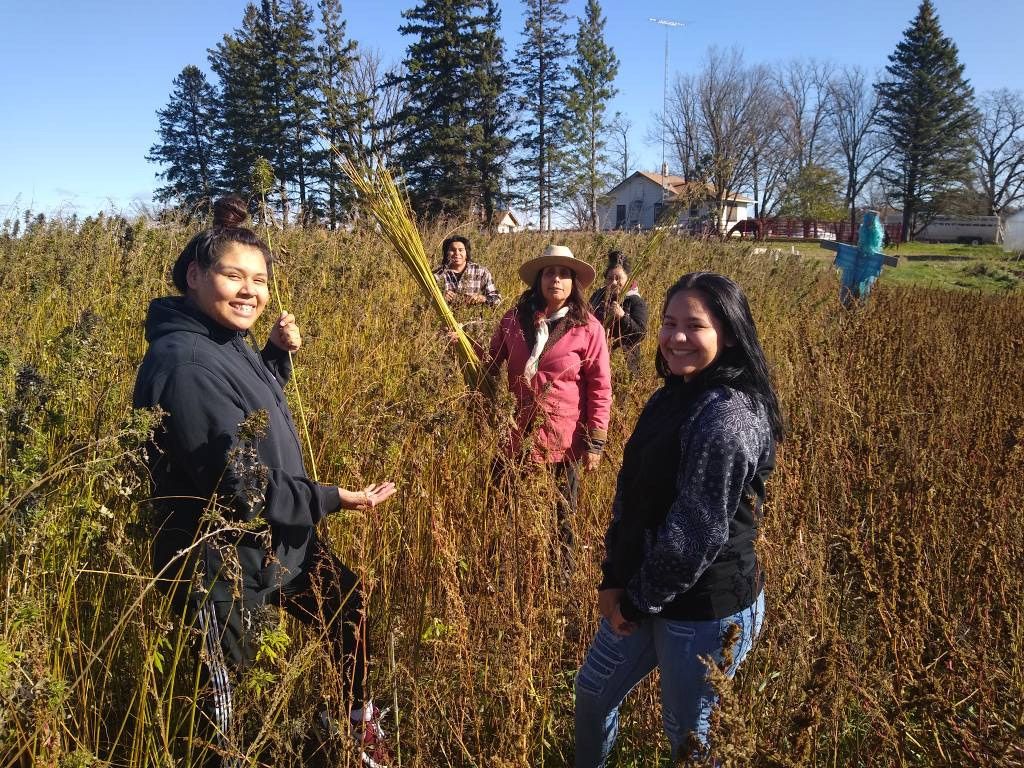
    Winona LaDuke and her farm team harvest hemp for fiber and textiles at Winona’s Hemp & Heritage Farm in northern Minnesota.

    By Winona LaDuke

    She’s an amazing plant. You can learn a lot from a plant. For the past four years I’ve been hanging out with cannabis plants. I have a bit of a maternal streak which seems to translate well to animals and plants (children, I am not so sure), and I’ve been growing cannabis. That’s the plant’s name. We all say industrial hemp so that we are not demonized, and people don’t think I have a big marijuana farm out there by Osage. There’s apparently some “stigma” attached to cannabis. So, let me just say it loud and proud. I’m a cannabis grower.

    Here are my thoughts four years into growing under a Minnesota state permit. The plant is not a slave, she’s an amazing teacher, and we got this, we just gotta figure it out. The Farm Bill opened the floodgates for “industrial hemp”, meaning a plant which will produce seed, flower, and stalk, and comes in less than 3% THC.

    Minnesota issued seven permits in 2015; 550 in 2019. People acted like it was the gold rush. Just like the spooners and diggers, they all jumped in. As far as “hemp,” it appears that everyone planted as much CBD cannabis as they could, and they are sitting on it. There was this idea that everyone was going to make a million bucks off a plant. Well, that’s not going to happen. There are some people who may lose their farms in Kentucky, where they plowed up entire farms and put them into cannabis. That’s particularly ironic, because Senator Mitch McConnell, the architect of the industrial hemp component in the Farm Bill, really could have helped his team out a bit more. It’s like responsible cannabis farming, about the amount and intent.

    Farming and love and sex.

    Treat the plant well, and she will respond. The plant takes love and understanding. When I plant seeds, I develop a relationship with them. What it says on the packet is not what it says in your soil, or in the weather over the upcoming months. It’s sort of like a date, do some chit chat, see how you like each other and decide if you are going to hang out.

    I swear to the Goddess that there are a whole bunch of guys who don’t want to date, they just want to plant with their big seed drills, harvest with their big combines, and get out of there. Think about farming and love and sex. You may not have the moves for this plant buddy.

    Some advice from me, the Anishinaabe farmer: Learn how to treat her right.

    I grow two kinds of cannabis: fiber hemp and CBD cannabis varieties. I’m really careful that the female plants who are producing special magical medicines don’t meet up with any pollen from the males. That’s some life changing stuff. The flowers are female. Go figure.

    The hemp field across the road has males. I keep everyone separate. We study varieties best for our region. Minnesota used to have eleven hemp mills, and I just want to see them come back.

    Those fields are both male and female, but, let me just share something with you – the strongest plants for fiber processing are female.  They are well sexed females. They’ve had a wonderful time hanging out with the men and the pollen and they’ve made some great seeds and robust stalks. They don’t like their feet wet either. That’s one of the good things about hemp – it doesn’t take too much water, one of the many reasons it’s a superior textile to cotton. Add to that, the word cannabis is also the root word for canvas. Hemp has the ability to transform the textile and materials economy.

    Female plants make all that magic, with of course a lot of good sex. 

    Male plants are some groovy guys too. That’s despite the fact they look all withered in the field, after having sex with thousands of females. They’ve had a good life. They also make pollen, and if you have a clean field, no pesticides all full of plants having sex, you can make some bees and pollinators happy too. What’s wrong with that?

    Now what we need is to work together to actualize the renaissance of hemp. Minnesota and North Dakota both have some good hemp research projects, but the medicinal marijuana program is limited. That should really be opened up. Prohibition will end soon, 11 states have legalized, and then there’s all of Canada. We might want to loosen up here in the north country. The White Earth Reservation should look at this future for our people – from medical to textiles, she is a plant which most people want to grow. Our tribal members are very interested in cannabis.

    The hold-up is processing. Seventy years as an illegal plant means that we are behind in processing. And, if we are going to rebuild an American economy, which produces goods, instead of buying them from China, we are going to need to figure out cannabis, together.   We can’t use slave labor, and we cannot use a bunch of toxins on the fields. The plant doesn’t need any chemicals, it just needs love and good soil.

    Cannabis can change our world. Treat her with respect, and she will be there for us. Court her well.

    Photos: Courtesy of Winona LaDuke

    This blog was originally published on Winona’s Hemp News.

    # # #

    Winona LaDuke is an internationally renowned environmentalist, economist, tribal elder, Water Protector, Harvard graduate, former candidate for Vice President of the United States, entrepreneur and hemp farmer. Winona also is owner of Winona’s Hemp and the founder of the Anishinaabe Agriculture Institute and Honor the Earth.

  • Hemp’s Use in Musical Instruments Promotes Sound Sustainability

    Hemp’s Use in Musical Instruments Promotes Sound Sustainability


    Hemp’s Use in Musical Instruments Promotes Sound Sustainability

    By Steven Hoffman

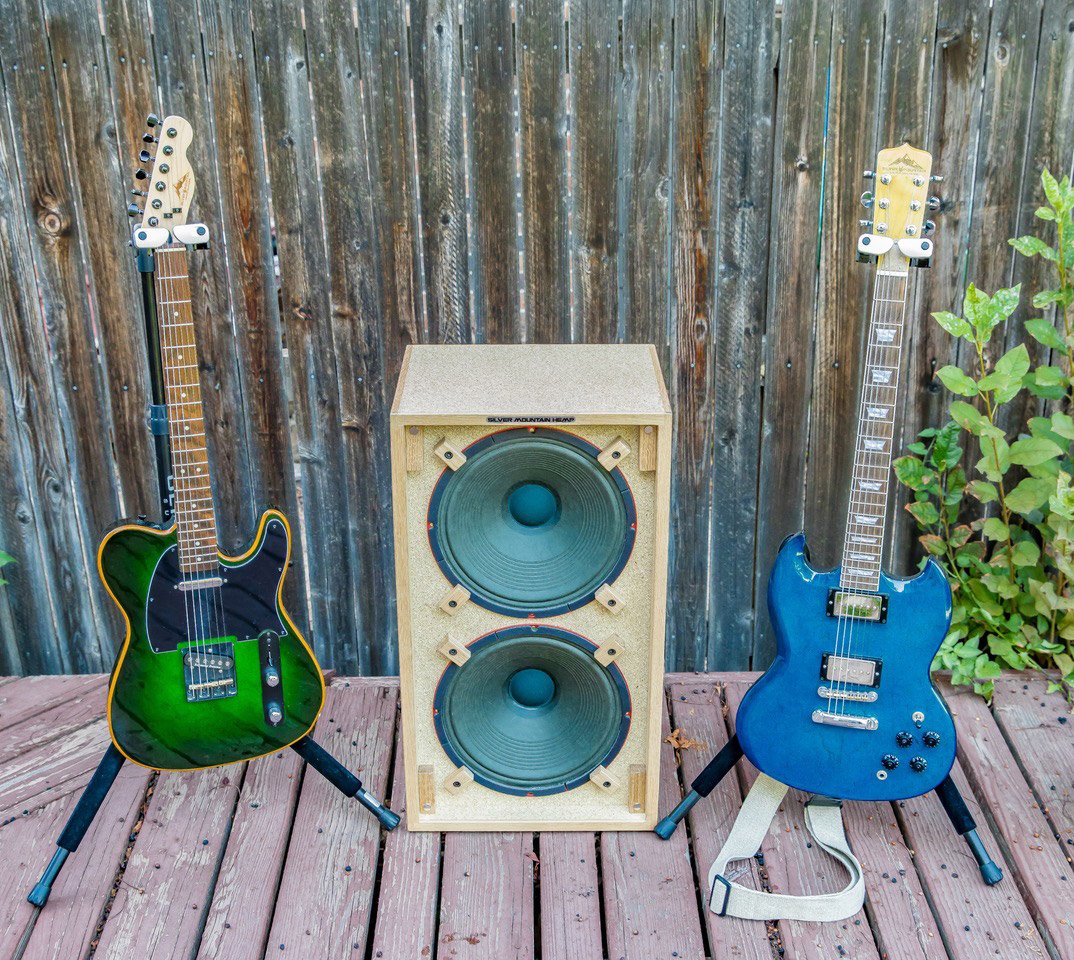
    Entrepreneur Morris Beegle may be better known as the producer of the world’s largest hemp-centric conference and trade show, NoCo Hemp Expo, held each year in Denver, but with his new company, Silver Mountain Hemp Guitars, he’s combining two passions. In addition to leading the NoCo show and a number of other hemp-related activities over the past several years, Morris spent 25 years as a producer and promoter in the music business. Now, with the launch of Silver Mountain hand crafted, hemp composite electric guitars and ukuleles made in classic styles for working musicians, he has come full circle.

    Hemp has thousands of uses including paper, textiles, building materials, food, cosmetics, animal feed and more. But one application that might not immediately come to mind is the use of hemp in making musical instruments. Beegle is among a group of early innovators seeking to change that with the launch of Silver Mountain’s website, his flagship hemp guitars made in classic styles inspired from the ‘50s and ‘60s, high performance, hemp-derived speaker cabinets and cones, and related products.

    Silver Mountain Hemp Guitars represents a new direction in sustainability by making use of hemp composite materials in musical instrument manufacturing, helping to reduce reliance on endangered wood species often used to make instruments.


    News Briefs

    Hemp Road Trip Crosses Country on Way to HIACON
    by The Courier-Tribune

    World Cup Women’s U.S. Soccer Star Megan Rapinoe Launches CBD Brand
    by Mendi

    Hemp Regs Coming Within Weeks, Top USDA Official Says
    by Pro Farmer

    Organic Consumers Group Launches Campaign for Organic Cannabis
    by Organic Consumers Association


    Headline News

    Famed Rolling Stone Photographer Annie Leibovitz Shoots Winona LaDuke’s Hemp Farm
    by Annie Leibovitz

    U.S. Retail Sales of CBD May Increase 133% in 2019; Surpass $10 Billion by 2024
    by Hemp Industry Daily

    Google Searches for “CBD” Increase 160% in 2018
    by USA Today

    Motley Fool Tracks CBD Stocks
    by Motley Fool

    For Young Farmers, Hemp is a “Gateway Crop”
    by Civil Eats

    Hemp Farmers and Processors Work Out Kinks During First Legal Harvest in 80+ Years
    by Michigan Public Radio

    Senate Minority Leader Schumer Presses FDA to Regulate Budding CBD Industry
    by the Times Union

    FDA, FTC Send Joint Warning Letter to FL Company Over CBD Health Claims
    by FDA

    Hemp Delivery Driver Arrested in SD this Summer Indicted on Drug Charges
    by ABC News KSFY Sioux Falls, SD

    R&D, Investment Needed Before Widespread Adoption of Hemp Plastics, Building Materials
    by Politifact Florida

    How Hemp Fiber is Produced
    by HempGazette

    Patagonia’s Hemp Workwear Durable, Comfortable Right Out of the Box
    by Patagonia

    CBD/Hemp Cigarettes Present Vapers with Alternative
    by Fox Business News

    Philadelphia Inquirer Profiles CBD
    by Philadelphia Inquirer

    GenCanna Facing Expansion Challenges from Contractors, Farmers
    by HempToday

    Leading Processor GenCanna Addresses Expansion Rumors Head On
    by GenCanna

    Former Seahawks Linebacker Lofa Tatupu Launches CBD Brand
    by the Seattle Post-Intelligencer

    USA Triathlon First U.S. National Sports Governing Body to Form CBD Partnership
    by USA Triathlon

    Governor Tony Evers Declares First Wisconsin Hemp Day, Oct. 18, 2019
    by the Office of Wisconsin Governor Tony Evers

    Indiana-based Hemp Processor Announces Expansion
    by Indiana Business

    Georgia’s First Legal Hemp Crop Shows Promise
    by the Atlanta Journal-Constitution

    Indiana Farmers Harvest Historic Hemp Crop, Hoping for a New Growth Industry
    by the Northwest Indiana Times

    Virginia Hemp Growers Facing Rash of Crop Thefts
    by American Farm Publications

    Has Vermont’s Hemp Bubble Popped?
    by Seven Days Vermont

    International News

    Japan Today Publishes Guide to CBD Oil
    by Japan Today

    China Hemp Association Hosts Annual Industry Summit, Nov. 23-24, 2019
    by Cannabis Law Report

    As Regulatory Framework Advances, Latin America Poised to Become Leader in Hemp
    by HempToday

    USDA Outlines Guidelines on Import of Hemp Plants, Seeds from Other Countries
    by Marijuana Moment

    Upcoming Events

    Inaugural U.S. Hemp Building Summit Sets Foundation, Oct. 24-25, 2019
    by U.S. Hemp Building Association

    Hemp Industries Association Hosts 2019 HIACon Event in Charlotte, NC, Nov. 1-4, 2019
    by HIA

    Winter Hemp Summit, Jan. 16, 2019, Boulder, CO
    by Colorado Hemp Company

    Texas Hemp Convention, Presented by Kush.com, Jan. 28-30, 2020
    by Texas Hemp Convention

    NoCo Hemp Expo Expands 2020 Show at National Western Complex in Denver, March 26-28, 2020
    by NoCo Hemp ExpoWinter Hemp Summit

    Subscribe to the Let’s Talk Hemp YouTube Channel

    lth icon#LetsTalkHemp is the ultimate platform that focuses on “Changing the Cannabis Conversation”. We provide news, education, and information about Hemp and Cannabis to our viewers so that they can learn more about the industry and get tips and tricks on the latest technologies. Subscribe to our channel and learn about everything from legal updates, farming, production, and new products entering the Hemp & Cannabis space.

    An Interview with Lorena Beltran – Cannabis in MexicoJoin Morris Beegle and Rick Trojan for a brand new episode of the Let’s Talk Hemp Podcast, Featuring Lorena Beltran. In this episode, Lorena Beltran joins us to talk about everything cannabis-related happening south of the border. You’ll hear how the legalization of cannabis in the USA has changed the lives of cannabis farmers in Mexico, how the USA and Mexico differ in their approaches to hemp regulation, and why Mexico will be one of the leading producers of industrial hemp.

    About Let’s Talk Hemp

    Let’s Talk Hemp is a publication of Colorado Hemp Company (a division of We Are For Better Alternatives) focused specifically on the subject of industrial hemp and cannabis. We present features and curate news from across the globe to share the benefits of cannabis on health, energy, manufacturing and planet (H.E.M.P.). Colorado Hemp Company also is the Producer of NoCo Hemp Expo and Southern Hemp Expo, the nation’s leading hemp conferences and expositions.

    Publisher: Morris Beegle, Elizabeth Knight
    Editor: Steven Hoffman
    Web Developer: Debby West
    Design: Allen Haeger
    Circulation: Evan Tompros
    Let’s Talk Hemp Podcast: Rick Trojan, Morris Beegle

    Send Us Your Hemp News!
    Send press releases and news announcements to news@letstalkhemp.com[/vc_column_text][/vc_column][/vc_row]

  • We are the CHAMPions

    We are the CHAMPions

    We are the CHAMPions

    A New Public Private Partnership, the Colorado Hemp Advancement & Management Plan (CHAMP), Is Set to Strengthen the State’s Leadership Position in Hemp

    By Steven Hoffman, Compass Natural

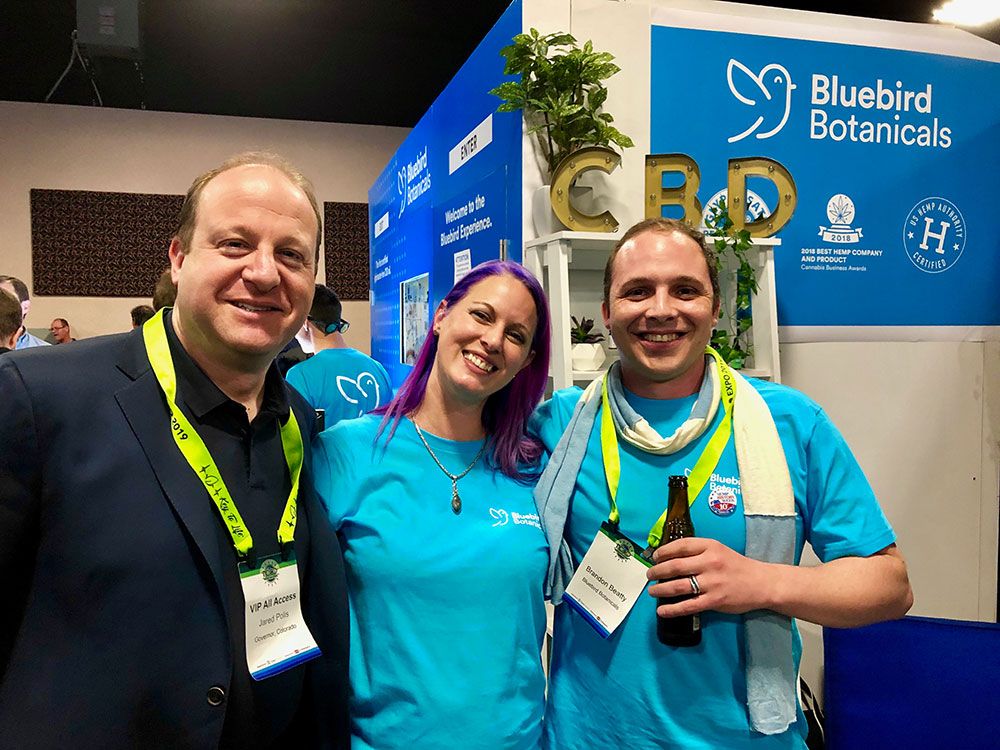
    With the passage in 2012 of marijuana legalization in Colorado, the hemp industry also got an early start in the state, and Colorado is now considered one of the country’s epicenters of hemp agriculture, manufacturing and production. To further that leadership position, Governor Jared Polis has created a unique new public-private initiative, the Colorado Hemp Advancement & Management Plan (CHAMP). His priority in establishing the CHAMP initiative is for “Colorado to remain an innovating force in the promotion of this high-value agricultural commodity,” says the CHAMP website.

    Led by Betsy Markey, former Representative to U.S. Congress and current cabinet member of the Polis administration and Executive Director of the Colorado Office of Economic Development and International Trade, along with Colorado Commissioner of Agriculture Kate Greenberg, CHAMP is a year-long statewide initiative that brings together state, local and tribal agencies, as well as industry experts in cultivation, testing, research, processing, finance, economics and marketing.

    News Briefs

  • The Opportunity for Hemp Brands

    The Opportunity for Hemp Brands

    Doing it the Right Way, from the Ground Floor Up

    By Will Carr

    Where is the hemp industry headed? What are we doing and why are we doing it? How does CBD fit into the marketplace? How does branding contribute to the evolution of hemp-derived consumer product goods? We have an incredible opportunity to do things the right way from the ground floor up. From the very beginning, we can make an impact in niche markets. We can steer the course of mass-retail products, forever changing the landscape of the marketplace. We can piece by piece, little by little, create a future with a better world and improve the lives of people everywhere.

    There’s a lot of fluff in CBD and hemp right now. Hundreds of new brands and businesses are started every month with the idea that they’re going to sell CBD and make lots of money. Many of these same companies put little thought into the actual quality of their products, where the market is headed, and how their products will impact the environment. Where is the social responsibility? Where is the effort to market something truly better to the consumer?

    Brands are the answer to this problem. Brands that actually care. Brands that don’t just talk the talk, but truly walk the walk. Branding and marketing are often demonized as evil with the intention to trick the consumer into purchasing. This doesn’t have to be the case, though.

    What if brands provided more value than the cost of their products? When a brand markets itself as sustainable, as making an effort to provide healthy, nutritional products that genuinely supply a consumer good to the market that changes the game and makes a positive impact for Earth and all of us living here, then marketing becomes a beautiful thing.

    It becomes a connection between the brand, product, and consumer that is real. This type of synergy lasts because it’s all based in truth. The brand is creating positive change for the world and the customer gets a product they can feel happy about supporting. When done with honest and genuine intentions, branding and marketing become a catalyst for the hope of a brighter tomorrow and the opportunity for that change to become reality.

    As CBD exits the “fad” stage it’s currently in and the snake oil approach of “CBD cures all” gradually disappears, we are going to see many more dietary supplement and functional food CBD products come to market. As we recognize the true benefit of CBD for overall general health and wellness, to be treated like a dietary supplement and essential nutrient rather than a magical cure for everything, CBD will be in products sitting on the shelves of every aisle in the grocery store.

    The benefits of CBD are best noticed when paired with other nutritional ingredients, not as a stand-alone product. Will there still be a place for tinctures, oil drops, and gummies? Absolutely. They will just no longer be the “norm.” Instead, the products you’re already consuming will have CBD infused into them. That’s the approach we’ve taken at Genesee with our protein bars, plant-based protein powder, and wellness shots. We’re ahead of the curve and I think that’s a really fun and promising place to be.

    Where will the hemp industry be in 2, 5, 30+ years? I have my thoughts, but I can’t say for sure. The one thing I can tell you though, is that the people within this industry have inspired me, motivated me, and given me a new perspective on what it means to be a business owner and member of a community. As I’ve submersed myself in this space, the people I have met and the personal connections I have made have truly changed my life.

    As business leaders, it is our responsibility to take action, holding ourselves accountable to sustainable and ethical practices. It is also upon the consumers to research and support brands that are doing things the right way, following up their claims with actions to support them. To name one person or brand would do so many people a disservice, but you know who you are. I see you at shows and conferences tackling your ambitions. We are friends on Facebook, Instagram, LinkedIn… I see your daily life, personally and professionally, and I’m able to get a sense of who you are as a person. We look each other in the eye, shake hands (maybe hug), and I see your pure intention to do your part in making the world a better place.

    The slogan for the infamous hemp trade show, NoCo Hemp Expo, is “One Louder.” I like this because it’s true. If every one of us, one at a time, can make the mental shift and practice what we preach, we can start a movement with enough momentum to be unstoppable. And that’s exactly what we’re doing. In the hemp space, we’re making true change in the world. One action, one day, one year at a time, we are all making a difference. We are making an impact.

    So, if I have one last thing to say, it’s Thank You! All of you making this space and industry so incredible, meaningful, and fun to be a part of. Thank you for bringing your best selves to your work, to your businesses, and to the brands you support. One person at a time. One louder at a time. Let’s keep the momentum rollin’!

    See you out there.

    Will Carr

    Founder – Genesee

    Will Carr is the Founder of Genesee, a CBD Health & Wellness Brand based in Evergreen, CO. After graduating with a degree in Industrial & Systems Engineering, Will traveled to South America where he played basketball professionally. In the summer of 2017, Will had his first encounter with the amazing benefits of hemp and CBD. Recognizing the potential use within athletics and sport, Will founded Genesee and made it his goal to develop a line of dietary supplements geared for the fitness focused, active lifestyle individual.

  • Sage Advice: Tips for Starting up in Hemp and CBD

    Sage Advice: Tips for Starting up in Hemp and CBD

    By CanopyBoulder

    Thanks to the passage of the 2018 Farm Bill more, the hemp and CBD industry is increasingly normalized. You don’t have to look far beyond the shelves of CBD everywhere from gas stations to bookstores to know something big is coming. In fact, the industry is expected to grow to about $1.8 Billion by 2022. With this in mind, the benefits of making the leap into this space seem pretty clear.

    But isn’t everyone doing that? In an increasingly competitive space, here are some tips for making your entry into the space successful

    It’s not too late to launch your hemp business

    Now is the time to make the jump into the space. The winners have not yet been decided and the race has not yet been run. As Jonathan Shultz from Backyard Soda, a natural, CBD-infused soda, puts it: “It’s hard to win a race that hasn’t really started.” However, you should expect anyone and everyone to get in and try to make some money…especially the dietary supplement brands!

    Speaking of dietary supplement brands….
    Do your homework on how the FDA regulates supplements. The most recent FDA hearing on CBD seemed to only generate more questions but seemed to hint generally that hemp derived CBD products may soon be lumped together and regulated in line with dietary supplements. It may take as much as 18 months before the FDA finalizes regulations for hemp-derived CBD consumer products, so stay ahead of the curve and study up on some relevant case studies. Some great ones to start are Lovaza/fish oil and Lipitor/Red Yeast Rice – either will give you a better idea of how CBD regulations might playout.

    Trust but verify everything you hear!

    Hemp rules and regulations get spread like the game of telephone. Stay up to date on changes in regulations through reputable news sites, and verify, verify, verify before taking action!

    Get great legal counsel from experienced business and hemp lawyers

    This may mean you need to engage with more than one law firm. The startup space is a tricky space to navigate in general, let alone adding CBD/hemp into the mix. The space is rapidly changing, seeking legal counsel from lawyers who are experts in their particular field will save you big in the long run.

     Do something unique!

    Just throwing CBD into a capsule is not going to build value. Think outside the box – what is the gap that you can fill with your unique background and your company’s culture and ideals?

    If you are launching a finished consumer product, don’t skimp on brand investment. Your brand can make or break your success. Taking time to thoroughly think through the image you want your company to project to the world will provide you generous return on investment in the long run if done right. This is especially important in this space, as consumer understanding of CBD and hemp and its benefits is still minimal – making it hard to differentiate based on quality. Your brand is the impression people will take away from your company and differentiates you from the competition – take the time to do it right.

     Be open and honest with your customers. Most potential consumers are newbies when it comes to CBD/hemp products, which makes the space feel pretty intimidating. Consumers, especially in the health and wellness space, desire vast amounts of education and transparency from the products and brands they purchase. Helena Yardley of 6 Degrees Wellness comments that this is the time to educate consumers on the purpose and the most effective therapeutic dose of CBD, but take care not to make health claims you cannot back up. While we do have some strong anecdotal evidence, without actual science to back it up, we have to be careful not to over promise and risk undercutting the potential of CBD. Without taking the time to educate your consumers and properly labeling your product, Helena adds that the result could be both a waste of your consumers’ time without relief, and a waste of resources on a sub-therapeutic product. Even worse, people may give up trying to use CBD all together because they don’t feel an effect.

    CanopyBoulder is a seed-stage business accelerator and venture fund for the legal cannabis industry. Visit www.CanopyBoulder.com.

    Photo: Compass Natural

  • Five Questions With Morris Beegle, President Of WAFBA (We Are For Better Alternatives)

    Five Questions With Morris Beegle, President Of WAFBA (We Are For Better Alternatives)

    Morris Beegle and I share more than names, (Morris is my middle name) — we are both a part of a much larger world of cannabis. In Morris’ case, he is a leading cannabis/hemp advocate and entrepreneur. As co-founder and president of the WAFBA (We Are For Better Alternatives) family of brands, including the NoCo Hemp Expo, Silver Mountain Hemp Guitars, Tree Free Hemp, The Hawaii Hemp Conference, and more, he stays quite busy engaging audiences in N.A., Europe, UK, Nepal and beyond, presenting at a dozen or more hemp conferences each year.


    Read the full article here at Forbes


  • Ready to Wear: Hemp, Fashion and Climate Change

    Ready to Wear: Hemp, Fashion and Climate Change

    By Hemp Magazine

    We’re killing our planet. That shouldn’t really be news to anyone now. Unless you choose to utterly reject science and bury your head up your… well… in the sand, that’s a current reality, not a future projection.

    Whether it’s climate change, environmental degradation, or simple resource exhaustion, we’ve been hearing for decades that our current models of production and consumption as humans have to be modified. If you’re brave enough to frequent the news these days and push past hyper-partisan debates, you’ve probably noticed that study after study from the U.N., the U.S. government, and nonprofits are ringing the town bells, begging the public to understand and care.

    Visualize the causes of this situation, and what do you see? Deforestation in the Amazon, billowing smoke clouds from coal-fired power plants, the Pacific’s plastic soup? What we wear doesn’t pop up in the mind so quickly. But, our clothes — and how they’re produced — play a significant role in adding to the planet’s problems.

    Is Hemp the Solution We’ve Been Waiting for?

    Photo: California-based Vital Hemp produces hemp fashion that looks and feels good, and is good for people and the planet.”https://thehempmag.com/2019/04/fast-fashion-hemp-textiles-and-the-climate-crisis/

    News Briefs

    Kentucky Farmers Launch Organic Hemp Co-op
    by Southerly

    Big Box Retailers CVS, Walgreens Roll Out CBD
    by New Hope Network

    USDA: Farmers Can Import Hemp Seeds from Other Countries
    by Hemp Industry Daily

    Startup to IPO: 5 Lessons Learned While Growing a CBD Brand
    by Chris Husong, Elixinol

    Upcoming Events

    Don’t Miss Season 2 of the Let’s Talk Hemp PodcasIn this new episode of the Let’s Talk Hemp 422 Podcast, you’ll hear Patrick Flaherty from P F Design Lab, who is studying the entire supply chain of hemp in the U.S. to better understand where hemp can replace traditional materials. While the hemp market in the United States continues to grow, there is still a disconnect between the farmers growing the hemp and the manufacturers who can make use out of it. This is an amazing story of the versatility and opportunity that remains largely untapped in the emerging hemp market.

    24 Patrick Flaherty – Fiber and the Future

    About Let’s Talk Hemp
    Let’s Talk Hemp is a publication of Colorado Hemp Company focused specifically on the subject of industrial hemp and cannabis. We present features and curate news from across the globe to share the benefits of cannabis on health, energy, manufacturing and planet (H.E.M.P.).

    Send press releases and news announcements to news@letstalkhemp.com


  • Laissez les Bon “Hemps” Rouler

    Laissez les Bon “Hemps” Rouler

    Hemp on the Bayou, a Town Hall-Style Symposium, Explores Opportunities in Hemp on May 1 During New Orleans JazzFest

    NEW ORLEANS, Louisiana (April 17, 2019) – What could be better than attending the legendary JazzFest in New Orleans, especially for retailers, manufacturers, entrepreneurs, investors, business leaders and others interested in the rapidly growing industrial hemp products market? With over 25,000 uses ranging from full-spectrum CBD hemp extract and hemp superfoods to textiles, building materials and bioplastics, now that hemp is legal in the United States as a result of the passage of the 2018 Farm Bill, its impact has the potential to change the world.

    Join hosts Morris Beegle and Rick Trojan of the Let’s Talk Hemp Podcast on Wednesday, May 1, 2019, 10:00 am – 4:00 pm, at the Central City BBQ, 1201 South Rampart Street, in historic downtown New Orleans for Hemp on the Bayou, held this year during the 2019 New Orleans Jazz & Heritage Festival. Presented as a town-hall style symposium, Hemp on the Bayou will feature a recap of the sold out NoCo Hemp Expo, educational tracks on hemp market opportunities, USDA and FDA rules and regulations, the 2019/2020 hemp forecast, growing hemp in Louisiana and throughout the U.S, policy predictions and more.

    Hemp Experts Gather in New Orleans During JazzFest

    Speakers for Hemp on the Bayou feature such industry luminaries as Tim Gordon, President of the Colorado Hemp Industries Association, and Chief Science Officer of leading CBD producer Functional Remedies; Jeffrey Cole, Senior Director of Business Development for Restorative Botanicals, maker of foods and supplements made from full-spectrum hemp extract; Dani Billings, President and Co-founder of the hemp-centric spa Nature’s Root, and founder of the Colorado Hemp Project; biological and agricultural engineer Kristy Hebert, founder of Louisiana-based Cypress Hemp; Eric Steenstra, President of Vote Hemp and Executive Director of the Hemp Industries Association; and other experts and specialists in hemp agriculture, production, sales, marketing, and business development.

    “We are beyond thrilled to combine the excitement of the hemp industry with the energy and excitement of JazzFest as we present Hemp on the Bayou to the Louisiana agriculture, entrepreneurial, music and entertainment communities,” said Morris Beegle, Co-founder of Colorado Hemp Company, producer of Hemp on the Bayou and the annual NoCo Hemp Expo, the world’s largest gathering of hemp industry professionals. Beegle is also producer of the upcoming Southern Hemp Expo, Sept. 6-7, 2019, in Nashville, TN.

    In addition to educational panels, Hemp on the Bayou will feature networking, community, collaboration, a New Orleans live music “After Party” and “Crawfish Fest,” and more. Presenting Sponsors for the 2019 Hemp on the Bayou include Restorative Botanicals and Seed2System. For tickets and information to participate in Hemp on the Bayou, visit www.hemponthebayou.com

    EarthX: Hemp Can Save the Planet


    In addition to hosting the upcoming Hemp on the Bayou in New Orleans on May 1st, Morris Beegle will be a featured speaker at the 2019 EarthX, April 25-28, 2019, in Dallas, TX. A leading nonprofit organization with a mission to inspire and energize the global community in ways that help create a sustainable world for all living things, and a better, cleaner, healthier world for future generations, this year’s international EarthX conference will feature a special educational track on industrial hemp. In addition to Morris Beegle speaking at the event, Southern Hemp Expo is a Sponsor of EarthX. Visit www.EarthX.org.

    Save the Date: Southern Hemp Expo

    Save the date for the 2nd Annual Southern Hemp Expo (SHE), September 6-7, 2019, in Nashville, TN. NoCo Hemp Expo is the largest gathering of hemp industry professionals in the Eastern U.S. Visit www.SouthernHempExpo.com to learn more.

    About Hemp on the Bayou

    Hemp on the Bayou is produced by the Colorado Hemp Company, a division of WAFBA LLC (We Are For Better Alternatives), based in Loveland, CO. WAFBA also is the producer of NoCo Hemp Expo, the world’s largest conference and exposition for hemp industry professionals and advocates, and the 2nd Annual Southern Hemp Expo , Sept. 6-7, 2019, in Nashville, TN. Colorado Hemp Company also is the founder of TreeFreeHemp paper and printing services. Areas of focus include product and brand development, event production, and advocacy. Hemp on the Bayou provides support to nonprofit organizations including the Jack Herer Foundation; and Hemp History Week, celebrating its 10th anniversary in June 2019. Learn more at www.hemponthebayou.com, or visit us on Facebook. 

    # # #

    Contact
    Steven Hoffman, Compass Natural, 303.807.1042, steve@compassnaturalmarketing.com
    Morris Beegle, Colorado Hemp Company, 970.541.0448, info@nocohempexpo.com

  • Hemp Hits the Big Time

    Hemp Hits the Big Time

    Hemp Hits the Big Time: 2019 NoCo Hemp Expo Draws Capacity Crowd of 10,000 Hemp Industry Professionals and Enthusiasts to Denver


    DENVER, Colorado (April 4, 2019) – What began in 2014 as a modest meeting of intrepid Loveland/Fort Collins-based hemp entrepreneurs has grown into the world’s largest gathering of hemp industry professionals in the world.

    Breaking all attendance records in its 6th year, over 10,000 hemp industry professionals and enthusiasts – including growers, producers, manufacturers, retailers, investors and others from throughout the U.S. and more than 20 countries – converged in Denver March 28-30 for the 6th Annual NoCo Hemp Expo to showcase everything from CBD products to hemp building materials, network, and get educated and updated about the fast-changing industrial hemp market.

    Featuring a special keynote address from Colorado Governor Jared Polis, plus presentations from Native American leader and “hempreneur” Winona LaDuke, Dr. Bronner’s CEO David Bronner, dietary supplements regulatory expert Loren Israelsen and others, an Investor Forum, Business Conference, Farm Symposium and an exhibit hall showcasing 225 vendors, interest was so heightened about all things hemp that NoCo6’s impressive lineup of workshops and education was completely sold out.

    “We’d like to extend a huge and humbling thank you to all who participated in and attended the biggest and best NoCo Hemp Expo to date,” said NoCo Hemp Expo co-founders Morris Beegle and Elizzy Knight. “This event proved once again that purpose and intention are at the heart of the hemp movement.”

    “The excitement around the hemp industry right now is tremendous, and that was showcased through the 10,000-plus attendees at NoCo6,” said Garrett Bain, Chief Sales Officer for GenCanna, Presenting Sponsor of NoCo6 and a Kentucky based industry leader focused on scaling premium agricultural hemp production for food and supplement products. ”We’re proud of our great relationship with the Colorado Hemp Company [producer of NoCo Hemp Expo]empHem and can’t wait for next year!”

    “NoCo6 pulsed with energy; the sense of something big happening was palpable,” observed Loren Israelsen, President of the United Natural Products Alliance, based in Salt Lake, UT, and a featured speaker at NoCo6. “As a newcomer to the hemp industry, but a veteran of the dietary supplement industry, the event offered a reminder of our own evolution, and a peek into what the future of hemp might look like. The passage of the 2018 Farm Bill has both liberated hemp production and also complicated the place of CBD in the market. How this all works out will be one of the great stories of our age, and I look forward to being a part of it.”

    NoCo Hemp Expo Program Highlights

    Featured speakers for this year’s NoCo Hemp Expo included Colorado Governor and hemp advocate Jared Polis; Native American tribal leader turned hemp farmer Winona LaDuke; David Bronner, CEO of legendary soap maker Dr. Bronner’s; renowned market researcher Dr. Michelle Barry; regenerative agriculture and soil expert Ray Archuleta; hemp expert and author Doug Fine; hemp entrepreneurs Dani Billings of Nature’s Root and Janel Ralph of Palmetto Harmony; and other leaders breaking new ground in the industrial hemp market. For a complete list of speakers, visit here and for a full program schedule from this year’s event, visit here.

    Digital Magazine Available

    Also, NoCo6 has produced a digital and print magazine and show program, Let’s Talk Hemp, for the first time in partnership with Honeysuckle Magazine, which can be viewed here.

    Thank You to Our Sponsors

    GenCanna™ was featured as the Presenting Sponsor of NoCo6. Business Conference Sponsors included: Elixinol, New Hope Network, Benmar Extractions, Hoban Law Group, Lilu’s Garden, McAllister Garfield P.C., Frank Robison Law Group, and Steep Fuze Coffee. Farm Symposium Sponsors included; Bluhen Botanicals, Bish Enterprises, Colorado Breeders Depot, Front Range Biosciences, Hempsac, New West Genetics, ProVerde Labs and Rad Extracts. Meet all of our Sponsor Partners here: https://nocohempexpo.com/sponsors/.


    Save the Date: Southern Hemp Expo

    Save the date for the 2nd Annual Southern Hemp Expo (SHE), September 6-7, 2019, in Nashville, TN. NoCo Hemp Expo is the largest gathering of hemp industry professionals in the Eastern U.S. Visit www.SouthernHempExpo.com to learn more.

    Read More About the 2019 NoCo Hemp Expo

    • “Jared Polis Becomes a Rock Star at NoCo Hemp Expo,” Westword, March 29, 2019
    • “Firms Looking to Invest Big Money in Colorado’s Hemp Industry,” Denver Post, March 29, 2019
    • “NoCo Hemp Expo Runs Friday & Saturday,” Denver 7 News, March 29, 2019
    • “Hemp Entrepreneurs Hear the Benefits – and Challenges – of Booming Industry at Colorado Expo,” Denver Post, March 29, 2019
    • “The ‘Hemp Opportunity’ is in Full Flower at NoCo Hemp Expo,” New Hope Network, March 29, 2019
    • “Hemp Is Next: Colorado Wants More Than Marijuana Prominence,” Westword, March 30, 2019
    • “Pet Owners Check Out Expo In The Hopes Of Finding Answers To Pet Anxiety, Pain,” CBS Denver, March 31, 2019
    • “10,000 Show Up for the NoCo Hemp Expo in Denver,” 9 News Denver, March 31, 2019


    About the NoCo Hemp Expo

    The 6th Annual NoCo Hemp Expo is produced by the Colorado Hemp Company, a division of WAFBA LLC (We Are For Better Alternatives), based in Loveland, CO. WAFBA also is the producer of the 2nd Annual Southern Hemp Expo and founder of TreeFreeHemp paper and printing services. Areas of focus include product and brand development, event production, and advocacy. NoCo6 provides support to nonprofit organizations including Bee Heroic; the Jack Herer Foundation; and Hemp History Week, celebrating its 10th anniversary in June 2019. Learn more at NocoHempExpo.com, or visit us on YouTube, Facebook and Twitter, #NoCo6. 

    # # #

    Contact
    Steven Hoffman, Compass Natural, 303.807.1042, steve@compassnaturalmarketing.com
    Morris Beegle, Colorado Hemp Company, 970.541.0448, info@nocohempexpo.com

  • How to Influence through the Net: Getting Your Hemp Brand Attention on Social Media

    How to Influence through the Net: Getting Your Hemp Brand Attention on Social Media

    By Cait Curley

    How can a consumer products company specializing in CBD and other industrial hemp-derived products market its brand in a cloudy regulatory and advertising environment – despite the fact that hemp is now legal under the 2018 Farm Bill?

    One way has been to get others to talk about your brand in publications, blogs and social media. When Facebook and Google won’t let hemp and CBD brands advertise, many companies are turning to public relations and influencer marketing. It’s a new twist on word of mouth in a digital age, yet it still works.

    A huge piece of the cannabis movement’s story has been built on social media. It gives the community, like any other industry, a sense of connection and like mindedness. It’s a platform to learn, create connections and promote your brand. I don’t know a “top brand” that doesn’t have social media. It doesn’t mean it’s an A+ social media platform, but at least they have one.

    Here are some basic but essential tips for hemp/cannabis companies to keep in mind when pursuing social media and influencer marketing and communications strategies:

    First Things First:  Even if it’s a simple landing page, make sure you have a website with contact info and your social media links included. Include an email signup form so visitors can sign up for newsletters. Creating and populating a blog page on your website is also recommended, as it provides original content for you to share and potentially boost across social media platforms.

    What Social Media Should I Be On?:  A brand should create an account on Facebook, Instagram, Twitter, Snapchat and LinkedIn, to start. When creating a handle, use your company’s name, and if it’s not available, make it as close as possible.

    Don’t Skip:  You may spend more time on one over the other, but it’s a mistake to skip a social media platform based on where you “think” your audience is. Especially in the cannabis/hemp industry. Focus on quality content over quantity.

    Stay Active and Engaged:  You don’t need to be a social media expert or even tech savvy, but you do need to go in at least once a week for an hour to post and engage with the community. I say once a week, because I understand that many companies, especially startups, have one person wearing many, if not all hats within the business. Many brand owners (farmers, for example) may be new to social media with no idea how to manage/post/engage on their feed. With that, you can find at least an hour a week to learn the platforms, post and engage. My ultimate recommendation would be at least an hour a day. It’s not as difficult as you may think. Once you begin doing it, you’ll find a flow and recognize the importance to carve out time to engage with your followers.

    Organize Your Social Media Profile:  Synchronize all of the profile and cover photos. Make sure at least one email contact is available. Be short and simple with your mission, what your product is, and where to buy it.

    Take Advantage of Hashtags:  Include your company’s hashtag in every post possible. Using tags related to your product like #fullspectrumhemp or #hempfarmers for a hemp oil brand (for example) is very helpful, too.

    Check Out What Others Are Doing, But Be YOU:  Research the competition, find inspiration and be genuine. Tell YOUR story, be you/unique, not your competition.

    Relationships Count:  Build relationships vs. asking for a sale. That’s what builds loyalty and trust over time.

    Know Your Audience:  What do they want to learn? Keep track of what posts have been most successful, e.g., the most likes, comments or shares.

    A Picture Is Worth 1,000 Words:  Make use of captivating visuals, including original photography, licensed photography, and photos and graphics used with permission. If possible, high quality video about your brand, mission, activities, events or lifestyles and related interests, short and sweet, are sure to generate attention and shares.

    Educate But Avoid Health Claims:  Educate on a simple level to the public while avoiding health claims about products. To learn more about what you can and can’t say under the Dietary Supplements Health and Education Act, visit here.

    E-Newsletters and Blogs:  Make sure you have an email signup form on your website to collect emails of customers and constituents. Before you know it, you’ll have a growing email contact list to whom you can send e-newsletters and other email announcements and promotions. Blogs provide original content that can be shared as articles in your newsletters and as social media posts, which can help bring readers back to your website.

    Build Brand Awareness:  Social media is growing so rapidly. Having multiple influencers out there (even if micro with 1K followers), allows your brand to have multiple tentacles, reminding or introducing people to your brand.

    Influencer Advantages:  Even after the legalization of hemp, so many cannabis/hemp companies still are not able to advertise on social media. Tree Free Hemp for example, a hemp paper and printing company, has been flagged for years because it attempted to boost a hemp paper poster – it turns out that poster was the Declaration of Independence; oh the irony! For this reason, influencers and other creative forms of marketing are needed for hemp/cannabis than for any other industry. Consumers trust information and product recommendations from influencers. They feel it’s an honest opinion from someone that knows what they’re talking about. They’re a trusted voice.

    Influencers help increase SEO by building and creating unique content. They drive traffic, convert leads and open brands to new markets and networks. Most influencers, if treated and paid correctly, will be loyal to your company for life. They will continue to promote and recommend your brand.

    # # #

    Cait Curley is an educator, entrepreneur, social media influencer, marketing and communications specialist, and content creator with a passion for all things hemp and cannabis. Visit www.caitcurley.com, @caitcurley on Facebook, and @caitcurley_ on Instagram and Twitter


  • Heavy Metal Meets Hemp: A Journey to Birmingham

    Heavy Metal Meets Hemp: A Journey to Birmingham

    By Morris Beegle

    This story begins in the summer of 1971, in the attic of my grandmother’s farmhouse in Beaver, Oklahoma. I’m sure most folks are unfamiliar with this town, as today the population is still less than 2,000 people. It has one claim to fame, however: Beaver is home to the annual World Cow Chip Throwing Contest. Yes, this is a real thing, picking up hardened circular chunks of cow shit and flinging them like frisbees.

    While I never competed in the event, this tiny town holds a special place in my heart, and it’s not because of my family heritage or this oddly unique annual tradition. This peculiar place grabbed me at the age of four as I was sitting in the farmhouse attic with my older brothers Dave and Brad listening to my very first Black Sabbath experience.

    I can still remember War Pigs, Iron Man, Electric Funeral and Hand of Doom all off the Paranoid album like it was yesterday. This was my introduction to the greatest hard rock band in history, a rowdy group from Birmingham, England, that would change music history and play an important role in my life as I got older.

    So, what does Black Sabbath have to do with hemp?

    Inspiration, energy, and motivation to get LOUD about what I believe in. Since I’m discussing the mighty Sabbath, I’ll also throw in Judas Priest, another legendary Birmingham band. Both bands provided me with influence and imagination to pursue my entrepreneurial ambitions, first in the music and entertainment industries, followed by the hemp and cannabis industries.

    This influence led me to printing hemp t-shirts, hemp hats, and hemp posters. Then to producing hemp events, hemp conferences, and hemp festivals. And most recently, to creating a line of hemp-bodied guitars, hemp-board guitar cabinets, hemp guitar straps, hemp plastic picks, and hemp plastic volume knobs that go to 11…because when you need that little extra push over the cliff, and 10 just isn’t cutting it, you need to take it to 11, and be #OneLouder!

    This has been the Birmingham influence on my life, with a little extra help from the lads in Spinal Tap.

    Hemp awareness, CBD, and medical and recreational cannabis are literally blowing the F up all around the globe. It certainly is here in the United States where we finally passed historic legislation that unequivocally clarifies hemp and all parts of the plant, including cannabinoids, extracts, and derivatives, as no longer included in our Controlled Substances Act, and removes jurisdiction from the Drug Enforcement Administration.

    We Americans are pretty excited about this even though we still have a big battle with the FDA (Food and Drug Administration) on how this will play out in the world of food and supplements. This issue isn’t unique to the USA, as the UK and Europe and most parts of the world are struggling to figure out a path where we can free this plant in all of its forms, for not only consumption, but commercial industrial processes and regenerative agricultural practices.
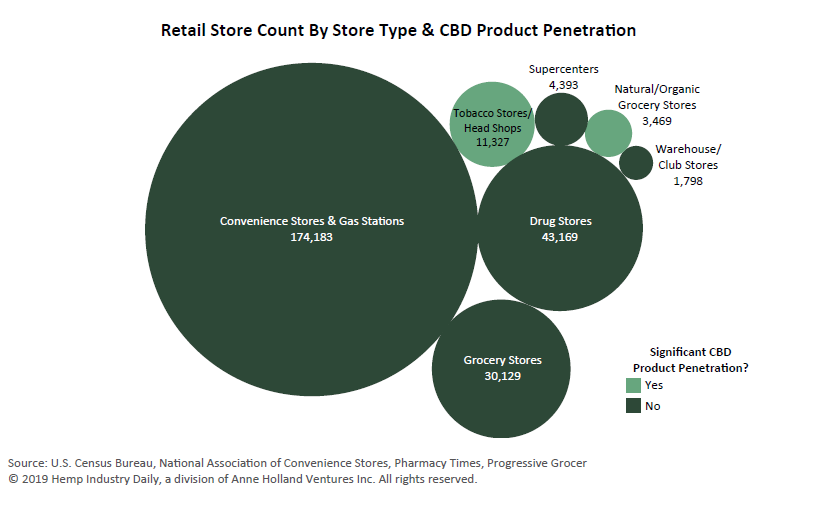
    This is where I have placed my efforts and intentions as I continue on my journey, one in which I get to visit a place that unexpectedly inspired me to promote a plant and a planet that both need to come together for the future of society and the future of humanity.

    You can find Morris Beegle at the Hemp & CBD Expo in Birmingham, England, March 2-3, 2019, the UK’s leading hemp exposition and conference. Visit www.hempandcbdexpo.co.uk.

    Morris Beegle – a veteran of the music entertainment industry – is the Co-founder of the Colorado Hemp Company, producer of the NoCo Hemp Expo, Southern Hemp Expo, Hawaii Hemp Expo, Winter Hemp Summit, Hemp on the Slope, Let’s Talk Hemp Newsletter, and with Rick Trojan, he co-hosts the Let’s Talk Hemp podcast. Check out Season 2 at www.LetsTalkHemp.com. Morris is also the founder of Tree Free Hemp Paper and hemp-made Silver Mountain Guitars.

    Photos:  Black Sabbath: Wikipedia; Morris Beegle: Compass Natural

  • CBD Products Making Inroads in Mainstream Retail

    CBD Products Making Inroads in Mainstream Retail

    By Hemp Industry Daily

    CBD products have built a significant presence in natural products retail stores and also in tobacco stores and head shops – and even in yoga studios, pet shops, gyms and coffee shops – but they have a ways to go to establish a presence in mainstream grocery, drug and convenience stores, according to new research compiled by Hemp Industry Daily. How long will it take for mainstream retailers to carry CBD ultimately depends on the U.S. Food and Drug Administration (FDA) providing assurances that CBD foods, drugs, supplements, cosmetics and other products are approved. That said, some mainstream retailers, including high end department store chain Nieman Marcus, aren’t waiting.

    For a free copy of Hemp Industry Daily’s market report in the wake of the 2018 Farm Bill, visit here.CBD products have built a significant presence in natural products retail stores and also in tobacco stores and head shops – and even in yoga studios, pet shops, gyms and coffee shops – but they have a ways to go to establish a presence in mainstream grocery, drug and convenience stores, according to new research compiled by Hemp Industry Daily. How long will it take for mainstream retailers to carry CBD ultimately depends on the U.S. Food and Drug Administration (FDA) providing assurances that CBD foods, drugs, supplements, cosmetics and other products are approved. That said, some mainstream retailers, including high end department store chain Nieman Marcus, aren’t waiting.

    For a free copy of Hemp Industry Daily’s market report in the wake of the 2018 Farm Bill, visit here.


    News Briefs

    CBD Isolates vs. Extract: What Will FDA Allow?
    by FoodNavigator-USA

    New York’s Genesee Brewery Launches Hemptails
    by FIFCO USA

    Hemp’s Holy Grail: GenCanna Develops Strain with 0% THC
    by Lexington Herald

    Crop Report: U.S. Hemp Cultivation Exploded in 2018
    by Vote Hemp


    Upcoming Events

    The Road to NoCo: Mark Your Calendar for the Largest Gathering of Hemp Industry Professionals Under One Roof[he Road to NoCo6 – Check Out Our Rockin’ Promo VideoFrom botanicals to bioplastics, hemp is changing the world and the NoCo Hemp Expo is the largest gathering of hemp industry professionals under one roof. For a rockin’ 60-second video introduction to NoCo6, visit here.

    About Let’s Talk Hemp
    Let’s Talk Hemp is a publication of Colorado Hemp Company focused specifically on the subject of industrial hemp and cannabis. We present features and curate news from across the globe to share the benefits of cannabis on health, energy, manufacturing and planet (H.E.M.P.).\
    Send press releases and news announcements to news@letstalkhemp.com