Tag: regulations

  • Newsletter – July 9, 2020

    Newsletter – July 9, 2020

    Feature Article

    Hemp Industry Call to Action: Vote Hemp Urges Community to Sign Petition Calling for Congress to Allow 1% THC Levels in Hemp

    By Steven Hoffman

    Washington, DC-based advocacy group Vote Hemp is urging the hemp community to take advantage of a narrow window on Capitol Hill to sign and submit a petition telling Congress to change the legal definition of hemp to allow 1% THC. Arbitrarily set by Canadian cannabis researcher Dr. Ernest Small in the 1970s, the currently allowed 0.3% limit has proved to be problematic for growers, producers and manufacturers alike, and Vote Hemp and its supporters feel that action has to be taken now.

    Even Dr. Small agrees, more than four decades later, that “a 0.3% level is very conservative,” he told Cannabis Now in December 2018. He stressed that the allowed 0.3% THC designation for hemp has had negative implications for biodiversity. “0.3% is proving a little problematical for those who wish to produce some cultivars,” he told Cannabis Now. “It’s an especially stringent criterion [for] those who want to produce CBD. Most of the varieties selected for that have in excess of 0.3%, which is kind of inconvenient.”

    “We’ve been trying to think strategically; I don’t want to create false hope given that Congress is going on summer recess in a month, and may not get much done in the last few months of the general election year,” said Eric Steenstra, Executive Director of Vote Hemp. “However, farmers and producers are frustrated, and we need to start making some noise about this. We hope to submit as many signatures as we can in the next 30 days, and encourage all members of the hemp community to sign and share the petition with their friends, colleagues and co-workers.”

    Full article here

    Washington, DC-based advocacy group Vote Hemp is urging the hemp community to sign and submit a petition telling Congress to change the legal definition of hemp to allow 1% THC.


    NEWS BRIEFS


    HEADLINE NEWS

    Canopy Growth Co-founder Raises $150 Million in IPO to Acquire Hemp Companies
    By MarketWatch

    Oneida Nation Eyes Hemp Production as a Way to Diversify, Strengthen Tribal Economy
    By The Green Bay Press Gazette

    Hemp Processors Planting Roots in Southcentral Kentucky
    By Bowling Green Daily News

    Bill to Fully Legalize Hemp Production in Hawaii Advances, But Many Not Happy with Bill’s Final Form
    By The Hawaii Herald-Tribune

    Hemp in South Dakota, A History
    The Sioux Empire Podcast

    Will the Hemp Industry Revive Upstate New York’s Economy?
    By Green Entrepreneur

    After Legalizing Hemp in Texas, Austin Police Will No Longer Cite or Arrest People for Possession of Small Amounts of Marijuana
    By KXXV ABC News, Waco, TX


    FOOD AND BEVERAGE & SUPPLEMENTS

    Historically Black University First to Launch Medical Cannabis Products to Accompany CBD Line
    By Southern University Agricultural Research and Extension Center

    CBD Oil vs. Hemp Oil: What’s the Difference? – A Visual Chart
    By Visual Capitalist

    Can Hemp CBD Help You Quit Smoking Cigarettes?
    By Price Land Hemp Growers


    FASHION, FIBER AND CONSTRUCTION

    EcoFibre Opens $16 Million Facility as Part of Kentucky Dept. of Agriculture’s Hemp Pilot Program
    By WYMT CBS News, Hazard, KY

    Virtual Denim Show Broadcast from New York Highlights Sustainable Benefits of Hemp Fiber
    By Textile World

    Pre-Fabricated, Zero-Carbon Hemp Home Constructed in Just Two Days
    By The National Hemp Service

    Building with Sustainable Hemp for a Resilient Future
    By Innovation News Network

    Veteran-owned Hip to Be Hemp Offers Hemp-based Biodegradable Allergen HVAC Filters
    By Hip to Be Hemp


    FARMING AND AGRICULTURE

    Op Ed: The Farm Bureau Says It Wants to Fight Racism; Here’s Where to Start
    By Civil Eats

    How to Avoid Heavy Metal Accumulation in Your Hemp Crop
    By Hemp Industry Daily

    Hemp Farm Neighbors Complain of Smell, Lights, Use of Water
    By The Navajo Times


    INTERNATIONAL NEWS

    Renowned South African Cannabis Advocate Julian Stobbs Fatally Shot in Armed House Robbery
    By The South African

    French Startup Plans to Make Energy from Hemp Biomass
    By HempToday

    Bombay Hemp Company Seeks to Industrialize India’s Hemp and Cannabis Market
    By Your Story


    EVENTS

    Penn State Extension Hemp Webinar Series: Strategies for Partnering with Others, July 27, 2020, Noon – 1:00 pm EDT

    Hemp Industry Deep Dive Virtual Global Tour, by Cannatech, Aug. 4, 2020, 12:00pm EDT

    RAD: The Retail & Dispensary Expo, Oct. 6-7, 2020, Las Vegas Convention Center, Las Vegas, NV

    WAFBA – We Are for Better Alternatives – Virtual Conference & Trade Show, Presented by NoCo Hemp Expo and Let’s Talk Hemp, Nov. 10-12, 2020; Details Coming Soon

    NoCo Hemp Expo – NoCo7, March 25-27, 2021, National Western Complex, Denver, CO

    Southern Hemp Expo, Aug. 20-21, 2021, Nashville, TN



    WAFBA VIrtual

    Read the Let’s Talk Hemp Summer Solstice 2020 Digital Magazine

    The hemp industry proves that, even in a world beset by pandemics and racial injustice, human and planetary healing can and will triumph. Read all about it in the Let’s Talk Hemp Summer Solstice 2020 Digital Magazine, produced in conjunction with the Experience Hemp Summer Solstice Virtual Conference & Trade Show, Let’s Talk Hemp Media, and NoCo Hemp Expo, in partnership with Honeysuckle Magazine.

    Featuring testimony from industry experts across diverse disciplines, Let’s Talk Hemp’s Summer Solstice edition dives into the pressing questions of the day. What is the future of hemp in a post-COVID world? What does Black representation in hemp look like, and how can we create opportunities for social equity? How can we take the next steps toward a regenerative society and integrative medicine? The answers may surprise you.

    Read the Let’s Talk Hemp Summer Solstice 2020 Digital Magazine Here.


    Order Your Copy of Doug Fine’s New Book, American Hemp Farmer

    American Hemp Farmer, the sixth book from author Doug Fine, follows the rigors and pleasures of an entire hemp season from soil preparation and genetics acquisition through harvest and regenerative marketing. It’s immersive. It’s wildly funny. The follow up to Doug Fine’s bestselling Hemp Bound, American Hemp Farmer pulls no punches, and because it is written by an actual hemp farmer and entrepreneur, it tells you what you need to know if you want to join the hemp renaissance.

    Order American Hemp Farmer Today

    Available at One Planet Hemp


    Subscribe to the Let’s Talk Hemp YouTube Channel

    #LetsTalkHemp is the ultimate platform that focuses on “Changing the Cannabis Conversation”. We provide news, education, and information about Hemp and Cannabis to our viewers so that they can learn more about the industry and get tips and tricks on the latest technologies. Subscribe to our channel and learn about everything from legal updates, farming, production, and new products entering the Hemp & Cannabis space.


    The Kannaboom Podcast
    Episode 50 – Morris Beegle, Musician and Hemp Entrepreneur
    We’ve known for decades that hemp is a versatile crop, useful for food, and as a textile, building material and biofuel. Yet because it’s related to cannabis, hemp has been shunned, its value denied. As we look for positive ways to recover from the pandemic, in the context of ongoing climate change, are we finally ready to realize the tremendous economic potential of hemp? We asked Morris Beegle, who has launched multiple hemp-based businesses across various industries, for his perspective.

    Listen, and learn:

    • How Morris made the pivot from a career in music into success as a hemp entrepreneur
    • Why hemp, a regenerative, sustainable crop, is a better alternative for the environment and consumers
    • How to succeed in the hemp industry, whether you want to find a job or start a company
    • Why musicians have been closely tied to cannabis / hemp
    • How Morris developed the first high-end hemp guitar
    • Why Morris is excited about the Retail and Dispensary Expo

    LISTEN HERE


    About Colorado Hemp Company
    The Colorado Hemp Company, the producer of the 7th Annual NoCo Hemp Expo (NoCo7), is a leading organization for the advancement and advocacy of hemp farming, processing, production, innovation, education, and legalization in the USA. The entire team is committed to researching and developing alternatives so that hemp can once again thrive and help individuals and communities throughout America and around the globe. The 7th Annual NoCo Hemp Expo will take place August 6-8, 2020, at the National Western Complex in Denver, CO.

    Contact
    Steven Hoffman, Compass Natural, 303.807.1042, steve@compassnaturalmarketing.com
    Morris Beegle, Colorado Hemp Company, 970.541.0448, info@nocohempexpo.com
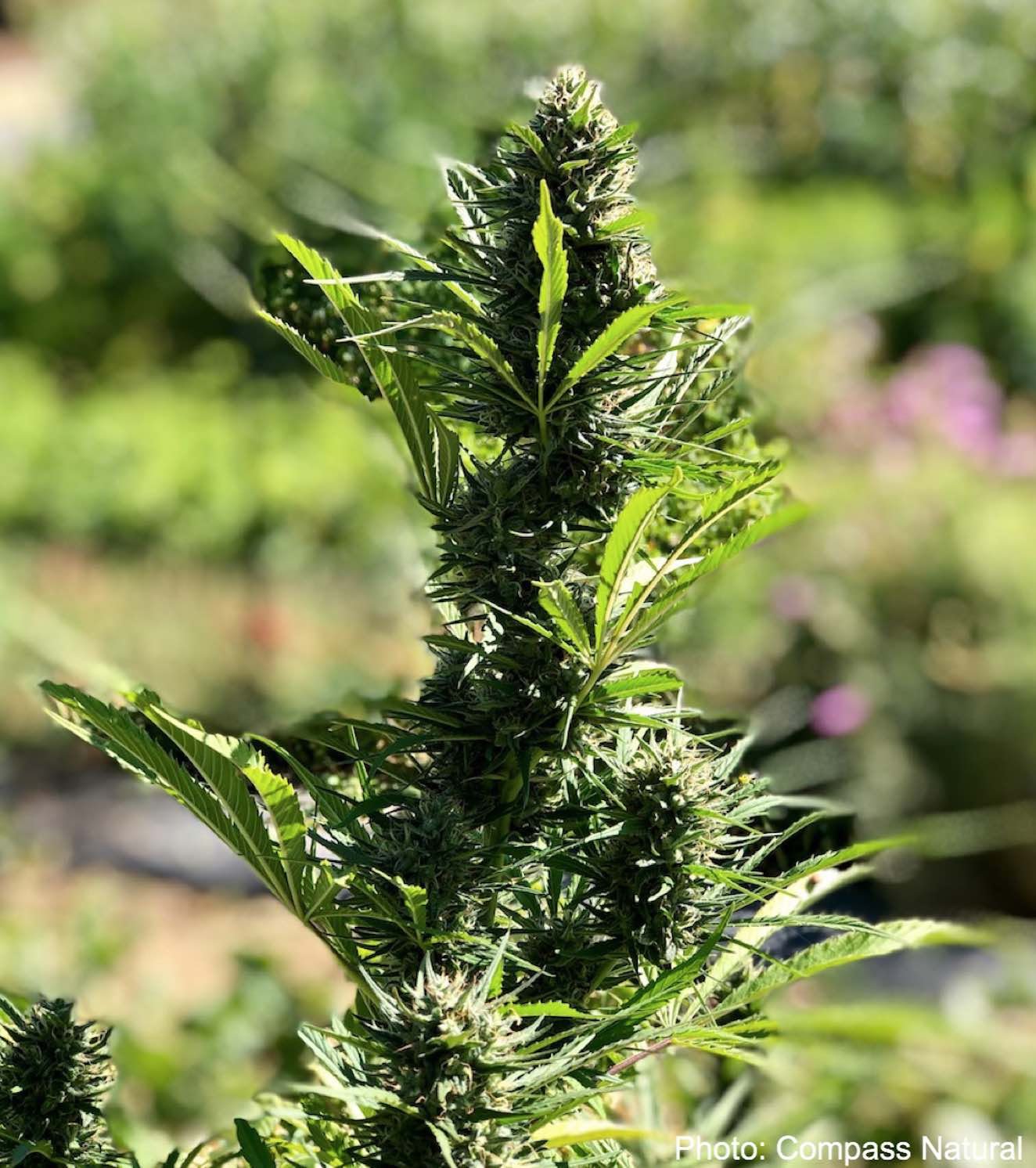
  • Controversial Debate Regarding Legal THC Levels In Hemp Plant

    Controversial Debate Regarding Legal THC Levels In Hemp Plant

    Controversial Debate Regarding Legal THC Levels In Hemp Plant Sets Stage for Discussion at Experience Hemp SUMMER SOLSTICE, June 16-19, 2020

    Hemp Advocates Lobby to Change Rigid Government Policies. Panelists to Discuss Why The One Percent Ranking is the Solution for the Hemp Industry and Why The USDA’s 0.3 Percent is Arbitrary and Wrong. Join the Conversation and Have Your Voice Heard on Hemp Regulations.

    By Heather Collins, Compass Natural Marketing

    It’s spring and hemp farmers are busy putting seeds in the ground, hoping that this year’s crop will not only be bountiful but safe from destruction due to the USDA’s 0.3 percent mandate. It’s a risk that resonates throughout the industry, specifically for farmers who must wait to see if their crop gets the green light at harvest.

    According to the United States Department of Agriculture (USDA), all domestic hemp plants receive THC level testing and cannot exceed 0.3 percent in THC, which differentiates legal hemp from illegal marijuana. For example, the USDA deems that if a tested hemp plant exceeds the mandated 0.3 percent at harvest, then that farmer must destroy that crop.

    That mandate has not been favorable in the eyes of farmers, which has left many empty-handed in a field of green hope. Last year, according to Pew Trust’s Stateline, 4,309 acres of hemp in 16 states were destroyed because those plants tested over the 0.3 percent limit. Additionally, Cannabis Business Times reports that the U.S. trails other countries, such as Thailand and Switzerland, where they have enacted the one percent rule for hemp plants.

    As the U.S. hemp market continues to evolve, so does the controversial debate between farmers and government officials regarding THC levels found in hemp plants. The discussion has drawn mixed criticism industry-wide and has gained national media attention for the government’s complex policy.

    Notable hemp farmer Doug Fine indicated in a recent blog on Vote Hemp that farmers have their work cut out for them this year. “We’ve got to get the federal definition of hemp changed to one percent, pronto, before the recent USDA Interim Final Regulations kick in in October,” wrote Fine. “When up to 40% of an industry’s players – let alone a soil-building, humanity-saving industry’s players – have to destroy their product before it reaches market due to a relic of an absolutely arbitrary war that we’ve won, that is a policy that needs to change. . . this time, the farmers are in charge.”

    The 1.0 Percent Solution – Why 0.3 Percent THC is Arbitrary and Wrong

    Organizers of NoCo Hemp Expo’s Experience Hemp SUMMER SOLSTICE Virtual Conference and Trade Show are aware of the community’s need to unify and lobby for effective change. That’s why they dedicated a live webcast on the topic during their upcoming Expo: The 1.0 Percent Solution – Why 0.3 Percent THC is Arbitrary and Wrong, June 18, 2:00 pm MDT.

    “The hemp industry is fired up regarding this numbers game farmers are having to play with the government, which sets them up for the undue risk. This is a crucial time for our community to unite and effectively lobby for Congress to change the ruling to one percent,” said Morris Beegle, Let’s Talk Hemp Media Co-founder and Producer of NoCo Hemp Expo. “We’re looking forward to this lively discussion at next month’s Expo and hope that people take advantage of the open forum to be heard on this matter.”

    Experience Hemp SUMMER SOLSTICE

    The ‘One Percent’ discussion is one of six, 90-minute live webcasts that featured during the Experience Hemp SUMMER SOLSTICE Virtual Conference & Trade Show. Each webcast Supersession will be offered twice a day, on Tuesday, Wednesday, and Thursday, June 16-18. Let’s Talk Hemp webcast hosts Morris Beegle and Rick Trojan will lead the live interactive chats with panelists and guest speakers.

    Virtual Expo Halls

    Attendees will also have access to the virtual Expo Halls featuring a variety of hemp businesses, brands, products, and services and chat with industry professionals. The interactive rooms offer an opportunity to connect with hemp-based companies and keep the conversations moving forward to strengthen our industry.

    • Explore innovative hemp brands from around the globe
    • Engage, discuss and make valuable connections in the virtual Networking Lounges
    • Search for career opportunities and post resumes in the Job Fair Lounge
    • Catch footage from past hemp events in the Library

    The Expo halls will remain open through Friday, June 19, with pre-recorded content, trade show, and more networking opportunities, including dozens of videos and pre-recorded content in the exclusive Let’s Talk Hemp Library & Archives.

    REGISTRATION INFORMATION

    Register today for the FREE Experience Hemp SUMMER SOLSTICE Virtual Conference & Trade Show. If you participated and registered for the NoCo Hemp Expo EARTH WEEK virtual event this past May, attendees can log in on June 16, 2020, with the same email address. For Exhibitor and Sponsor interest, please click here for more information.

    About Let’s Talk Hemp Media

    Let’s Talk Hemp is a leading media platform that focuses on “Changing the Cannabis Conversation.” We curate news, education, and information about hemp and cannabis to our podcast listeners, newsletter subscribers, and digital magazine readers so that they can learn more about the industry and get tips and tricks on the latest technologies. Subscribe to our YouTube channel and learn about everything from legal updates, farming, production, and new products entering the hemp and cannabis space. Let’s Talk Hemp is a publication of the Colorado Hemp Company (a division of We Are For Better Alternatives WAFBA) focused specifically on the subject of industrial hemp and cannabis. Let’s Talk Hemp features news globally and shares the benefits of cannabis on health, energy, manufacturing, and the planet (HEMP).

    About Colorado Hemp Company
    The Colorado Hemp Company, the producer of the 7th Annual NoCo Hemp Expo (NoCo7), is a leading organization for the advancement and advocacy of hemp farming, processing, production, innovation, education, and legalization in the USA. The entire team is committed to researching and developing alternatives so that hemp can once again thrive and help individuals and communities throughout America and around the globe.

    Contact
    Steven Hoffman, Compass Natural, 303.807.1042, steve@compassnaturalmarketing.com
    Morris Beegle, Colorado Hemp Company, 970.541.0448, info@nocohempexpo.com


  • Trump Administration Asks for $5 Million Extra in 2021 Budget for FDA to Regulate CBD Products

    Trump Administration Asks for $5 Million Extra in 2021 Budget for FDA to Regulate CBD Products

    By Steven Hoffman

    Even though the production and sale of all products derived from hemp was made legal in the United States under the 2018 Farm Bill, the U.S. Food and Drug Administration (FDA) in November questioned the safety of hemp-derived CBD in dietary supplements and food and beverages, causing disruption and uncertainty in the booming market for CBD and hemp extract products. Now, the Trump administration in a 2021 budget plan announced in February it is asking for an additional $5 million in the next fiscal year for FDA to regulate cannabis and its derivatives, including CBD, Hemp Industry Daily reported.

    The request for additional funding to regulate hemp-derived CBD products comes shortly after legislation was introduced in January in the U.S. Congress to require FDA regulators to treat hemp-derived CBD as dietary supplements, Hemp Industry Daily reported.

    FDA said the extra $5 million requested would help advance regulation of products containing CBD while allowing the agency to enforce the law against companies making unsubstantiated medical claims about the products, according to Hemp Industry Daily. “New funding will enable FDA to better regulate the usage of cannabis-derived substances, such as cannabidiol (CBD), in FDA-regulated products such as dietary supplements and when used as unapproved food additives, FDA said in its budget proposal. “The initiative will support regulatory activities, including developing policy, and continue to perform its existing regulatory responsibilities including review of product applications, inspections, enforcement and targeted research,” the agency said.

    Included among the activities that would be supported under FDA’s FY2021 budget request would be inspections of facilities manufacturing cannabis-derived products, additional research and funds for processing product-review applications, Natural Products Insider reported. The additional $5 million would be allocated as follows: $2 million for the Office of Regulatory Affairs; $500,000 for the Center for Veterinary Medicine; $2 million to the Center for Food Safety and Applied Nutrition; and $500,000 for FDA headquarters.

    Dietary supplement industry trade associations were cautiously supportive of the budget request. “This is a step in the right direction and is an indication that the agency has the resources to regulate the industry. However, this does not go far enough to specifically address the issue of setting safe level of daily consumption for CBD products. Setting a safe level of consumption for CBD products is the best way to move forward with this promising new product while protecting consumers,” said Daniel Fabricant, Ph.D., President and CEO of the Natural Products Association (NPA).

    NPA supports legislation passed by the U.S. House of Representatives that would appropriate $100,000 for the FDA to perform a Health Hazard Evaluation (HHE) and set a safe level of CBD for consumers to use each day. The process would follow the same precedent as red yeast rice, which allows a natural product to contain a level of a drug ingredient that the FDA has determined to be safe, NPA said in a statement. According to the World Health Organization, CBD oil is generally recognized as safe.

    # # #

    Steven Hoffman is Managing Director of Compass Natural, providing brand marketing, PR, social media, and strategic business development services to natural, organic, sustainable and hemp/CBD products businesses. Compass Natural serves in PR and programming for NoCo Hemp Expo and  Southern Hemp Expo, and Hoffman serves as Editor of the weekly Let’s Talk Hemp Newsletter, published by We are for Better Alternatives. Contact steve@compassnaturalmarketing.com.

    The Trump administration in a 2021 budget plan announced in February it is asking for an additional $5 million in the next fiscal year for FDA to regulate cannabis and its derivatives, including CBD.

    News Briefs

    Can CBD Help You Sleep?

    By Consumer Reports

  • States Take the Lead

    States Take the Lead

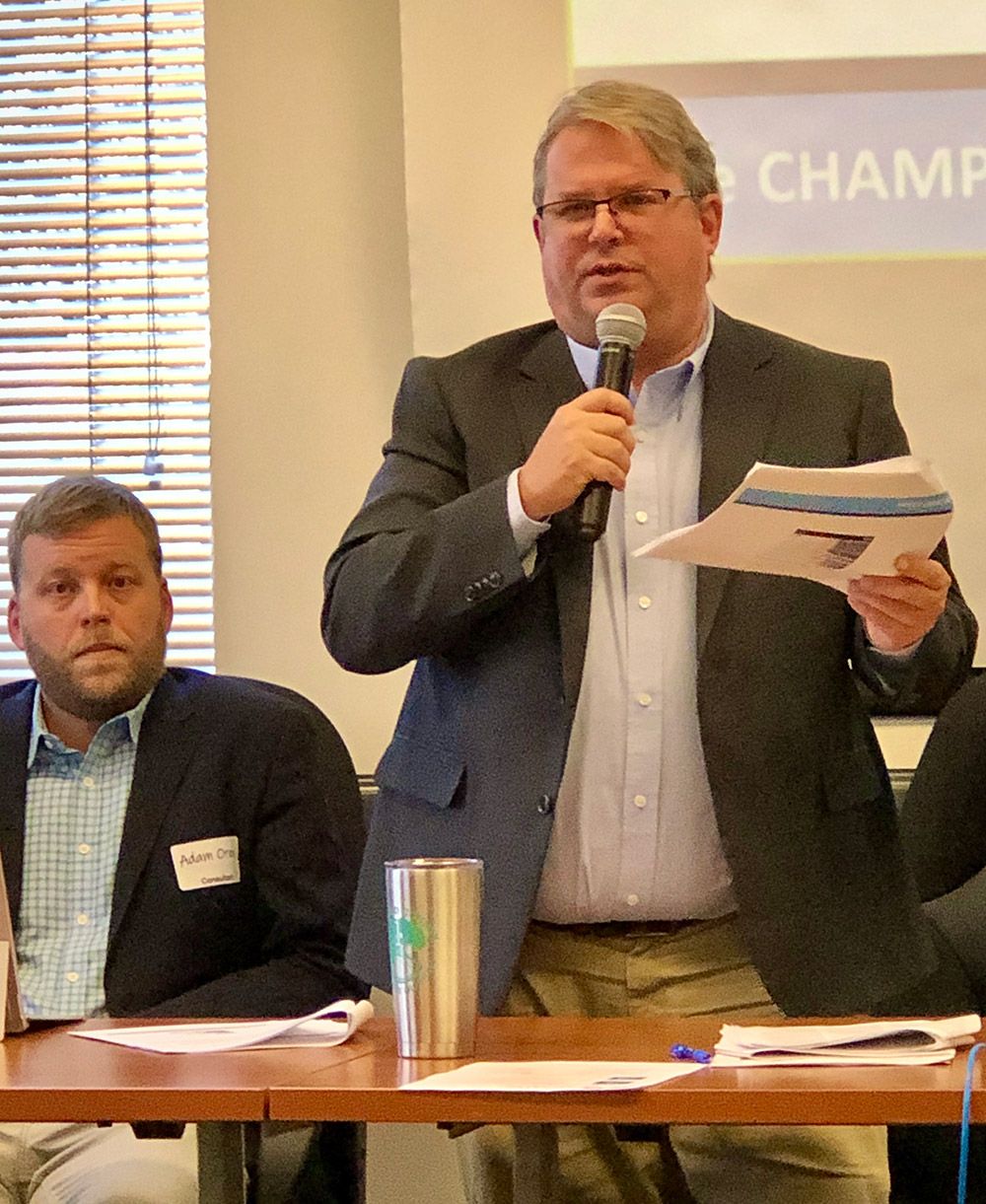
    Brian Koontz, Manager of the Colorado Department of Agriculture’s Industrial Hemp Program (right), shares the state’s concerns
    over USDA’s Interim Final Rule for U.S. hemp production at a public hearing in Broomfield, CO, on December 10. Photo: Compass Natural

    Colorado’s CHAMP Hemp Initiative Welcomes Public Comments in Responding to USDA’s Interim Final Rule on Hemp

    As state and industry leaders sift through USDA’s Interim Final Rule set to govern U.S. hemp production in order to craft a response in advance of the December 30 comment deadline, a number of common concerns are emerging, not the least of which is the rule’s increased potential to place farmers at risk.

    By Steven Hoffman

    The Colorado Department of Agriculture’s Hemp Advancement & Management Plan (CHAMP) initiative welcomed on December 10 more than 100 hemp industry members, advocates, farmers, researchers, academics and others to the agency’s office in Broomfield, CO, for a public meeting to hear comments on the USDA Interim Final Rule (IFR) to establish a national hemp production program and how it affects the state’s own plan for hemp.

    The goal of the hearing was to gather comments from the public and coordinate a unified response from the state of Colorado to the USDA in advance of USDA’s December 30 comment period deadline regarding the Interim Final Rule governing U.S. hemp production. In addition, state leaders gathered information at the hearing to help align Colorado’s comprehensive hemp plan with IFR requirements.

    The comment letter to the USDA, to be prepared on behalf of the state in coordination with the Colorado Department of Agriculture (CDA), the state’s Attorney General and the office of the Governor, will be signed by Governor Jared Polis and Agriculture Commissioner Kate Greenberg. The response will express the state’s perspectives and concerns as a first mover and leader in industrial hemp regarding USDA’s IFR and its impact on Colorado hemp producers who have already been operating under a well-established, state-managed regulatory system in Colorado since 2014. At issue is where USDA rules differ from Colorado regulations and how the state’s farmers may be subject to increased violations and financial risk from seemingly inflexible federal rules that don’t allow for variation in a young, maturing industry.

    To date, the USDA has received approximately 1,100 comments regarding the IFR. Hemp and industry leaders and advocates are urging all constituents to submit comments. “The USDA needs to hear from all of us and there should be 100,000 comments, not 1,100,” said one Colorado hemp farmer commenting at the Colorado CHAMP public hearing. The U.S. Hemp Roundtable prepared a letter outlining its issues with the IFR, and other states including Maine submitted comments to USDA sharing their concerns about USDA’s rule.

    Percent of Violations Could Increase Under USDA’s IFR

    “The way [the IFR] is written, the percentage of violations could increase. More farmers could be unnecessarily subject to violations,” observed Adam Orens, a consultant with Colorado State University and CHAMP who reported at the hearing on how the USDA’s IFR could impact the state’s hemp producers. “USDA’s set of rules was written for a state with half or less of the total acreage of Colorado. Given the expected scale of production in Colorado, we have concern that public and private investment could be affected as a result of USDA’s IFR on hemp,” he added.

    Orens noted that USDA’s IFR will govern hemp for two years, after which a Final Rule will be issued. “The two year interim period allows for a full crop cycle; the 2020 season will be a test drive,” he added.

    According to Orens, USDA’s interim rule defines acceptable levels of THC (“with a hard limit of 0.3%”), covers registration for hemp farmers, sampling, testing, disposal of “hot” plants, and enforcement and violations. “The showstopper is that USDA will require 100% of all lots to be sampled, while only random sampling had been required in Colorado,” Orens said. “Plus, the top one-third of the plant is to be tested; it’s not more specific than that. We see a challenge there with logistics,” he added.

    Orens added that in terms of percentages of THC content, under USDA’s IFR, “the line is drawn at 0.5%.” “If the crop sample tests at greater than 0.3%, it must be destroyed. If it tests at less than 0.5%, it is not considered a negligent violation. If a crop comes in at greater than 0.5%, that is considered a violation. In Colorado, the limit is 1%, so that is different.” Orens noted that if a farmer receives three violations in one year, a suspension would be issued under the USDA interim final rule.

    A concern raised by a number of hemp growers at the hearing was that crop sampling and testing for THC content must be conducted within a very narrow window of 15 days prior to anticipated harvest. Harvest is not allowed until samples are taken and the crop cannot enter the stream of commerce until THC content is verified. Farmers expressed concern that, with the current scarcity of approved testing laboratories, the overwhelming demand for sample testing during the harvest months of September and October would create an impossible backlog, impacting the allowed window for sampling and testing and in consequence, farmers’ harvests. A number of citizens also asked why “hot” crops have to be destroyed and not repurposed into fiber, animal feed, or other uses where the farmer doesn’t have to lose the entire income on his or her crop.

    Adding potential insult to injury, just as hemp farmers have been cleared under the 2018 Farm Bill to qualify for crop insurance, USDA’s interim rule pulls the rug out on farmers if a crop tests “hot.” According to CannaLaw Blog, “Hemp with a THC level above the compliance level will not constitute an insurance cause of loss…The lack of crop insurance coverage for hemp that fails testing, when combined with the rules about crop destruction, creates enormous risk for hemp farmers. A farmer may try to do everything right only to end up with an uninsurable crop that must be destroyed and a complete loss of their investment into hemp farming.”

    USDA’s rules further require that testing labs be registered with the U.S. Drug Enforcement Administration (DEA). But current DEA rules limit registration to jurisdictions in which medical or recreational marijuana is legal, reports CannaLaw Blog. “Although the number of such jurisdictions is growing, no one in the industry believes that the number of DEA registered laboratories can handle the quantities of hemp being produced by American farmers. This is an area where Congress may need to place pressure on the USDA and DEA to avoid causing a significant bottleneck in the hemp supply chain.”

    States Will Need to Adopt Final USDA Rule by November 1, 2020

    Brian Koontz, Manager of the Colorado Department of Agriculture’s Industrial Hemp Program, told the public meeting attendees, “We can operate under our existing state plan through October 31 of next year; after that all states including Colorado will need to adopt USDA’s final rule regarding hemp on November 1, 2020.

    Koontz expressed the state’s concern that, given the 100% testing requirement, more testing staff will be required and testing labs will have to be certified by the DEA. “About 2,000 acres of hemp were ordered destroyed in Colorado last year, and that was at an average of 25% testing. Given the 100% testing requirement, our concern is that the percentage of crops required to be destroyed may significantly increase, which could adversely affect our state’s farmers,” Koontz said.

    Koontz also noted that, whereas the USDA IFR stipulates that hemp growing licenses will not be issued to individuals with any felony convictions, “that rule should not apply to farm workers, drivers and others who are not key personnel,” he said.

    “Also, USDA in its IFR did not address certified seed. However, we see this as important, as hemp growers want reliable genetics,” Koontz added, and he encouraged people to submit comments to USDA regarding their concerns and thoughts on certified seed and seed genetics.

    Commenting at the hearing, Ed Lehrburger, founder of Pure Hemp Technology and Chair of Colorado’s Hemp Advisory Committee, offered: “When farmers’ crop tests hot, it can destroy hopes and dreams. As such, I recommend that USDA’s definition of hemp be changed. The 0.3% THC limit must be increased to 0.5%. Any hemp crop testing at greater than 1% THC could be considered as ‘noncompliant,’ he suggested.

    Speaking on behalf of the Rocky Mountain Farmers Union, Nick Levendofsky, RMFU’s Director of External Affairs, told the CDA and CHAMP officials conducting the public hearing, “We support the issuance of the rule overall as it supports an emerging industry that can help rural farmers. However, dealing with acceptable levels of THC is not something we’ve seen before. Our real concern is that testing could be too costly and may reduce opportunities for rural farmers. Disposal is also a concern. Family farmers should have the same opportunities in hemp, not just venture capital backed operations, and a negligent violation should not be so punitive as to deter farmers,” he commented.

    Hunter Buffington, Director of the Colorado Hemp Feed Coalition, wondered if DEA involvement in the hemp program “is another example of government overreach? No other crop has to deal with the DEA,” she observed. Buffington and others also advocated that by requiring testing of the top one-third of the plant “ignores the rest of the plant.” She advocated for testing homogenized samples of the whole plant instead, and also asked that the program make exceptions for research and development. “We want stable and compliant varieties. The rule is written for farmers but not for researchers. An exemption is absolutely necessary to allow institutions to conduct research,” she said.

    Jared Stanley, co-founder of Charlotte’s Web, noted that industrial hemp is not just CBD. “The 2018 Farm Bill allows for all parts of the plant,” he reminded the CHAMP hearing panel. Stanley also advocated for exploring the allowance in the program for an export market for U.S. grown hemp. “American hemp was created via this program,” he said. “We need to promote an export market for our hemp so we don’t have to grow hemp in Uruguay just to sell to Europe.”

    In summary, says CannaLaw Blog, “Everyone in the hemp industry ought to submit a comment. Submitting a comment is easy: just click here. Note that you can also upload documents, such as prepared statements or other relevant materials.”

    # # #

    Steven Hoffman is Managing Director of Compass Natural, providing brand marketing, PR, social media, and strategic business development services to natural, organic, sustainable and hemp/CBD products businesses. Compass Natural serves in PR and programming for NoCo Hemp Expo and  Southern Hemp Expo, and Hoffman serves as Editor of the weekly Let’s Talk Hemp Newsletter, published by We are for Better Alternatives. Contact steve@compassnaturalmarketing.com.


  • SAFE Banking Act Clears House

    SAFE Banking Act Clears House

    Bill Would Remove Banking Barriers for Hemp, Cannabis Businesses

    By Steven Hoffman

    While the SAFE Banking Act has yet to pass in the U.S. Senate, last week’s convincing, bi-partisan 321 – 103 vote in favor of the bill by the U.S. House of Representatives has the hemp and cannabis industry feeling bullish that it may soon have access to full banking services.

    Due to confusion over the legality of hemp, banks and credit card processors have been reluctant to provide services to “cannabusinesses,” and in some cases have cancelled banking and financial services for legitimate hemp businesses and related service companies, creating significant challenges for entrepreneurs, online retailers and established business alike. (See Let’s Talk Hemp article dated June 26, 2019: Hemp Harassment).

    The Secure and Fair Enforcement (SAFE) Banking Act of 2019 (HR 1595), sponsored by Representatives Ed Perlmutter (D-CO) and Denny Heck (D-WA), and co-sponsored by Representatives Steve Stivers (R-OH) and Warren Davidson (R-OH), would allow marijuana-related businesses in states with some form of legalized marijuana and strict regulatory structures, as well as businesses selling hemp-derived products, to access the banking system. Today, according to Congressman Perlmutter, 47 states, four U.S. territories and the District of Colombia – representing 97.7% of the U.S. population – have legalized some form of recreational or medical cannabis, including CBD oil.

    “Thousands of employees, businesses and communities across this country have been forced to deal in piles of cash because of the conflict between state and federal law. After six years of working on this bill, the SAFE Banking Act will go a long way in getting cash off our streets and providing certainty so financial institutions can work with cannabis businesses and employees,” Perlmutter said in a statement.

    Under current law, financial institutions providing banking services to legitimate and licensed cannabis businesses under state laws are subject to criminal prosecution under several federal statutes such as “aiding and abetting” a federal crime and money laundering, Perlmutter explained. “Therefore, businesses which legally grow, market or sell cannabis in states that have legalized its sale are generally locked out of the banking system, making it difficult for them to maintain a checking account; access credit; accept credit and debit cards; meet payroll; or pay tax revenue. This has created a significant public safety risk, as these businesses are forced to operate as cash-only businesses in an industry with billions of dollars in transactions. These high-volume cash businesses are being targeted by violent criminals and putting our communities at risk,” the statement said.

    “In response, the SAFE Banking Act seeks to harmonize federal and state law by prohibiting federal regulators from taking punitive measures against depository institutions that provide banking services to legitimate cannabis-related businesses and ancillary businesses (e.g. electricians, plumbers, landlords, etc.) that serve them. The bill establishes a safe harbor for any depository institution that chooses to provide banking services to a cannabis-related legitimate business which holds and maintains a license from a state or local government to engage in manufacturing, growing, or producing, as well as any business who handles, sells, transports, displays or distributes cannabis or cannabis products,” the statement added.

    According to Perlmutter’s team, a U.S. Senate companion bill (S 1200) was introduced in April 2019 by Senators Cory Gardner (R-CO) and Jeff Merkley (D-OR). The Senate Banking Committee held a hearing on the issue in July, and Senate Banking Committee Chair Mike Crapo (R-ID) recently announced plans to take up cannabis banking legislation this fall.

    “Given the strong bipartisanship of the House vote, coupled with Senate Banking Chairman Mike Crapo’s recent pledge to hold a markup on this issue, we believe that Congress’ appetite to resolve this important issue has never been greater,” NORML’s Political Director Justin Strekal was quoted as saying in the Hemp Gazette.

    While cannabis includes both hemp and marijuana, the 2018 Farm Bill defined hemp as separate from marijuana, removing hemp from the Controlled Substances Act. While the National Credit Union Administration last month stated that federally insured credit unions can provide some financial services to hemp-related businesses, in general, hemp entrepreneurs have faced difficulties in accessing financial products and services such as credit card processing. The SAFE Banking Act has a specific section (Section 11) that reaffirms the legal status of hemp for bank regulators that should remove any remaining barriers, according to Hemp Gazette.

    Speaking to Marijuana Moment about the House’s passage of the SAFE Banking Act, Michael Liszewski, Senior Regulatory Affairs Counsel with 4Front Ventures, said, “The fact that (the House vote) got nearly 100% of Dems and pretty close to 50% of Republican demonstrates how mainstream cannabis reform has come. The fact that so many Republicans supported it shows that it can be successful in the Senate.”

    “Despite the Farm Bill legalizing hemp, many hemp businesses continue to struggle gaining access to financial services — an issue we know Majority Leader McConnell is working to address,” Perlmutter told Westword. “By clarifying protections for the hemp industry in the SAFE Banking Act, we hope to help these businesses and look forward to working with the Senate as they address this issue by taking up the SAFE Banking Act or as they work to develop and pass similar legislation.”

    According to Westword, the bill would allow banks and financial institutions to serve hemp businesses and marijuana businesses in states where they are legal  without risking federal prosecution, “marking a landmark step toward marijuana reform.”

    Photo: Pexels

    # # #

    Steven Hoffman is Managing Director of Compass Natural, providing brand marketing, PR, social media, and strategic business development services to natural, organic, sustainable and hemp/CBD products businesses. Compass Natural serves in PR and programming for NoCo Hemp Expo and  Southern Hemp Expo, and Hoffman serves as Editor of the weekly Let’s Talk Hemp Newsletter, published by We are for Better Alternatives. Contact steve@compassnaturalmarketing.com.


  • Patchwork Legislation

    Patchwork Legislation

    Until FDA Issues Guidelines, Hemp-derived CBD Industry Forced to Navigate Shifting Federal, State and Local Regulatory Environments

    By Jane Wilson, Director of Program Development, American Herbal Products Association (AHPA)

    As the Food and Drug Administration (FDA) sifts through the almost 4,500 comments it received during the recent public comment period requesting input on “Scientific Data and Information on Products Containing Cannabis or Cannabis-derived Compounds,” the hemp-derived cannabidiol (CBD) supplement industry remains focused on demonstrating that hemp CBD supplements can be used by consumers with the same confidence with which they purchase and use other supplement products to support their health and fitness. If the May 31, 2019, FDA public hearing on this same topic was any indication, many of the hemp industry’s leading companies, as well as the several national trade associations and advocacy groups that represent the hemp industry, submitted comments urging FDA to take prompt action to provide a critically needed regulatory pathway for these products.

    While FDA contemplates the possibility of such action, numerous states and local jurisdictions are enacting legislation related to the manufacturing and marketing of dietary supplements and foods containing hemp-derived CBD. Some of these laws allow for the manufacture, marketing, and consumer use of hemp-derived CBD products, while others appear to restrict or prevent further sales to consumers. Regardless of the intent, this type of legislation is creating a confusing patchwork of conflicting or inconsistent regulations across states and localities.

    States and local jurisdictions appear to be creating their own laws for hemp- or CBD-containing products due either to a perceived absence of federal regulations that pertain to these products or unfamiliarity with the existing federal regulatory frameworks for supplements and foods and how they can be applied to these products.

    What makes this situation so challenging? Currently, FDA’s position is that CBD is not a legal ingredient that can be used in dietary supplements and foods because it was first approved for investigation as a drug product. The current law for dietary supplements does not allow a compound to be a dietary ingredient or to be added to food, if it was first investigated or approved for use as a drug, unless the FDA issues a regulation that allows for that to happen. While the FDA does have the ability to take this acti

    n for CBD under the dietary supplement and food laws, the Agency has never used this part of the law before in the 25 years the dietary supplement rule has been in place.

    FDA has taken several encouraging actions since the passage of the 2018 Farm Bill in December 2018, which marked the legalization of hemp cultivation and its removal from the Controlled Substances Act. The Agency has created an internal task force of high-level leaders to assess regulatory options, issued public communications, and conducted the May 31, 2019, public hearing and comment period, which concluded July 16, 2019. With public testimony and almost 4,500 comments submitted to the docket, FDA recently signaled they intend to expedite development of regulations for CBD and will provide an update on their progress in late summer or early fall.

    In the interim, hemp-derived CBD manufacturers are taking advantage of the self-regulatory mechanisms available to them, including certification programs that provide independent verification of the authenticity and quality of their hemp products and inspection of production facilities for compliance with good manufacturing practices (GMPs). Some are seeking organic certification for their hemp crops. These activities help the operators who are already in compliance with dietary supplement regulations differentiate their products to consumers in the crowded marketplace for hemp-CBD supplements.

    If you want to learn more about what’s going on in the hemp-derived CBD supplements industry, make plans to attend the American Herbal Products Association’s inaugural Hemp and CBD Supplement Congress taking place in Denver, CO, on August 15-16, 2019. The event combines the opportunity for technical workshops on applying GMPs and new dietary ingredient notifications (NDINs) to the hemp-derived CBD industry with a full day plenary that will explore the financial, supply chain, legislative and regulatory topics pertinent to this fast-growing segment of the supplement industry. More information is available here.

    AHPA also provides several free resources for the growing hemp-derived CBD industry.

    Note: Colorado Hemp Company, publisher of Let’s Talk Hemp and producer of the NoCo Hemp Expo and Southern Hemp Expo, is a supporting sponsor of the upcoming AHPA Hemp-CBD Congress in Denver, CO.

    Jane Wilson is the Director of Program Development at the American Herbal Products Association (AHPA), the national trade association for the herbal products industry. She serves as the staff liaison to AHPA’s Cannabis Committee and supports other AHPA services and activities related to the hemp and cannabis industries. Visit www.AHPA.org.


  • FDA Hearing on CBD Raises More Questions than Answers

    FDA Hearing on CBD Raises More Questions than Answers

    By Ben Droz

    Last Friday, May 31, the FDA held its first ever, full day public meeting on Cannabis.  7am-6pm, the meeting is part of a Public Comment Period  for “Scientific Data and Information about Products Containing Cannabis or Cannabis-Derived Compounds”

    (Docket ID FDA-2019-N-1482)  https://www.regulations.gov/docket?D=FDA-2019-N-1482&fbclid=IwAR05aRmzKEcjdjqrDU80qZDgtNWe6ew9-QmFeOCkv-7oBg5p2skbESnrX6Y  This docket is accepting comments until July 2nd, and is a very important part of the FDA regulation process.

    A panel of 13 Senior FDA officials heard from some 140 people, live from the FDA building in Silver Spring.  The day kicked off with great testimony from hemp lobbyists Jason Amatucci and the Hemp Roundtable’s Jonathan Miller, articulating the position of the hemp industry, that CBD should be viewed as a food ingredient or dietary supplement.  This is already how CBD is being being used.

    The conflict comes from the fact that the Pharma drug Epidiolex seems to the FDA to be to similar to plant derived hemp extract, and therefore, does not qualify as a dietary supplement.  While hemp has been a food ingredient since before the enactment of DSHEA in 1994, the FDA seems to think that modern hemp extracts are somehow different because of their processing.  But in fact, it is not different, it is simply a plant derived extract, like any other legal plant derived dietary supplement that you can get at any health food store.  Hemp attorney Rob Kight articulated this point.

    But there was also testimony against our causes.  There was testimony that confused and conflated hemp and marijuana.  There was testimony that looked at the complexities of the issue rather than seeing it as simply, let people have CBD.

    I personally like to just ignore the haters, and have valid reasons to do so.  Firstly, all of the confusion stems from the mis-interpretation from the FDA of the language in the Farm Bill that specifically protects hemp extracts and cannabinoids.  The FDA is in charge of keeping the public safe, not to restrict natural plant extracts.  All CBD products should meet a baseline of requirements to be in the market, such as C-GMP manufacturing standards, and trackability of supply chain.  Anything more than that should only apply to pharmaceutical grade dosage, which could be in the hundreds and hundreds of milligrams per day.

    Importantly, and possibly to reflect the idea that the FDA knows that hemp derived CBD is in fact legal, the FDA is not actually holding the meetings and comment period on hemp CBD.  Instead, it is “products containing cannabis or cannabis derived compounds”.  By using the word “cannabis” rather than  the 2019 definition of “hemp”, the FDA is taking comment on all cannabis products.  This would show that any testimony or criticism against CBD, would be relating to any “cannabis derived CBD”, not necessarily including legal, hemp derived CBD.

    There is certainly lots of other insights to gain from comments and the meeting.  Because of hemp’s popularity, there is a lot more commentary coming out about this, and FDA is open to comments for another three weeks.  Former FDA Commissioner Scott Gottlieb previously said it could take 3-5 years, so stay tuned for more!!

    Ben Droz is contributing editor of Hemp Magazine,  (hemp.co) available at newsstands and Whole Foods nationwide.  You can also see updates from @TheHempGuy (instagram.com/thehempguy) or read his blog at www.theHempGuy.com . @theHempGuy (Instagram)

  • Preparing for Increased M&A Activity in the US Hemp Industry

    Preparing for Increased M&A Activity in the US Hemp Industry

    Preparing for Increased M&A Activity in the US Hemp Industry

    By Emily Gordon, Hoban Law Group

    With a stroke of President Trump’s pen on December 20, 2018, the Agricultural Improvement Act (“2018 Farm Bill”) became law in the United States, clarifying and affirming the lawfulness of hemp and permanently precluding hemp from treatment as a controlled substance. The USDA still has a long way to go toward finalizing the regulations that will implement the 2018 Farm Bill, and there are still many areas of uncertainty, but one thing is all but certain: the industry will continue to grow, consolidate, and move further into the mainstream.

    Looking at the North American marijuana industry, which has had more time to move toward consolidation, as well as deals that are already taking place in the hemp industry, provides a glimpse into hemp’s future. As more clarity gradually emerges for US hemp businesses, it is never too early to be thinking ahead to potentially being part of the kinds of deals happening right now – consolidation via multi-million- and billion-dollar transactions – and doing what businesses can now to prepare.

    The largest deals in both the marijuana and hemp industries are still happening in Canada, in no small part due to greater access to capital, including the mammoth deal made earlier this month between Canopy Growth and Acreage Holdings, although the full approximately $3.4B US value of the deal only comes into play if and when the US Federal government legalizes marijuana production and sale.

    Recent Canadian-led hemp deals of note include the acquisition of Manitoba Harvest, the largest manufacturer of hemp foods in the world, by Canadian marijuana producer Tilray, and Canopy Growth’s increasing involvement in hemp, including through its acquisition of Colorado-based ebbu, Inc., a leader in hemp research. The passage and implementation of the 2018 Farm Bill should help facilitate the continued acceleration of greater access to capital by businesses in the hemp industry and a corresponding increase in mergers and acquisitions.

    Here are three things for US hemp businesses to consider, from a legal standpoint, who want to prepare now to be part of the accelerated industry consolidation of the future:

    • Businesses can consider ways to ensure the continued strength of their brand. One way to do this is to consider registration of the company’s trademarks, long a major component of brand protection in mainstream industries, but less commonly available in the marijuana and hemp industries, due to the requirement to show the mark is lawfully used in commerce. USPTO has flip-flopped over time with respect to hemp-related marks. With the passage of the 2018 Farm Bill, it is anticipated to be easier to obtain federal trademark protection of hemp-related marks, such as a company’s logo, brand name, and other marks, and allow the company – and potential future business partners – to enjoy the benefits of trademark protection.
    • Businesses might not yet be overly concerned with activities like preparing monthly financial statements, much less preparing audited While undertaking these and other recordkeeping tasks sooner rather than later might cost money and time now, that could pale in comparison to the time and headache that can be avoided when a potential acquirer is asking for three years of audited financial statements.
    • Businesses can begin to think now about potential legal and compliance issues that may arise during the due diligence phase of a merger or acquisition – that is, when another company’s lawyers are scrutinizing every move the company has ever made. Have all of the company’s employees signed robust non-disclosure agreements? Are copies of all of the company’s signed contracts organized and safely stored? Does the company have a robust compliance regimen to maintain compliance with the various regulatory requirements, including a plan for managing and responding to regulatory changes?

    Being proactive now will not only contribute to the ongoing success of the business but will also show potential acquirers and partners that the business is high quality and positioned for success, and will save valuable time later when all of the focus is on getting a deal across the finish line.

    Emily Gordon is a senior associate attorney at Hoban Law Group in Denver, Colorado. Emily has worked on several legal issues in the cannabis space, specializing thus far in hemp, regulatory compliance (hemp and marijuana), corporate and securities. Visit www.hoban.law.

    This article has been prepared for informational and general guidance purposes only; it does not constitute legal or professional advice. You should not act upon the information contained herein without obtaining specific professional advice. No representation or warranty (express or implied) is made to the accuracy or completeness of the information contained in this publication. Hoban Law Group, its members, employees, and agents accept no liability, and disclaim all responsibility, for the consequences of you or anyone else acting, or refraining to act, in reliance on the information contained in this publication or for any decision based thereupon.

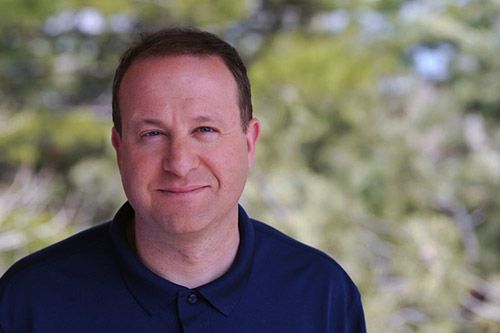
  • Colorado Governor and Hemp Industry Advocate Jared Polis to Be Featured Speaker at 6th Annual NoCo Hemp Expo in Denver

    Colorado Governor and Hemp Industry Advocate Jared Polis to Be Featured Speaker at 6th Annual NoCo Hemp Expo in Denver

    NoCo6 producer expects 8,000 – 10,000 visitors will attend the largest gathering of hemp industry professionals ever under one roof at the Crowne Plaza DIA Convention Center in Denver, March 28-30, 2019.

    DENVER (February 20, 2019) – Colorado’s newly elected Governor Jared Polis, who in his first State of the State speech in January 2019 announced his plan to “make good on the promise of industrial hemp,” will be a featured speaker at NoCo Hemp Expo, as the sixth annual gathering of hemp industry leaders makes its Denver debut with more exhibition space, educational programming, networking and after-event opportunities than ever before, March 28-30, 2019, at the Crowne Plaza DIA Convention Center.

    Polis, an entrepreneur, educational leader, former U.S. Congressman and Colorado native, is a longtime supporter of the hemp and cannabis industries. He advocated for expungement of non-violent cannabis-related criminal records, expansion of Colorado’s medical marijuana program and non-cooperation with enforcement of federal prohibition during his campaign. Polis even had the programs for his inauguration on January 8 printed on hemp paper.

    “Hemp is an amazingly versatile crop, and I’m proud to see Colorado’s rural communities leading the way to unleash its untapped economic potential,” he said during the campaign. “As Governor, I’ll support our farmers and innovators who want to develop industrial hemp—and I’ll tell the federal government to stay out of their way.”

    “We are honored to have Governor Polis, a friend, a believer, and a leading ally of the hemp industry, speak at NoCo6,” said Morris Beegle, co-founder of Colorado Hemp Company, which produces NoCo Hemp Expo. “Jared has supported this industry for a long time, not only with words, but with his actions as a Congressional representative for

    Colorado. We are excited to hear what he has to say about the future of hemp and the opportunities that exist not only for Coloradoan’s, but for people across the country and around the globe.”

    Governor Polis joins a vibrant speaker lineup at NoCo6, including hemp advocate David Bronner, Cosmic Engagement Officer (CEO) for top-selling Dr. Bronner’s natural soaps, and Michelle Barry, co-founder and CEO of VITA Technologies, which delivers customized innovation research, product development and brand launch tactics through quantum water biophysics and quantum biology.

    NoCo6: The Hemp Industry Event of the Year

    Hemp advocates across the nation will convene at NoCo6 to celebrate legalization of industrial hemp under the 2018 Farm Bill, passed in late December. With 225 exhibitors featured in the expo hall and three days of educational conferences, there is something for everyone at NoCo6! Learn more about the premier Let’s Talk Hemp conference series featuring the Business Conference, Farm Symposium and the newly added Hemp Industry Daily Investor Forum at NoCo6.

    Giving Back

    NoCo6 provides support to nonprofit organizations including save-the-polinators group Bee Heroic; the Food Aid Project, which provides software that helps food banks save time and money; hemp education group the Jack Herer Foundation; and Hemp History Week, celebrating its 10th anniversary this year, June 3-9, 2019.

    Thank You to Our Sponsors

    GenCanna™, is the Presenting Sponsor of NoCo6. Other sponsors this week include Chiefton Supply, 710 Spirits, McAllister & Garfield, PC, QC Infusion, Salt Creek Hemp, Functional Remedies, Steep Fuze, Sunrise Genetics, EnviroTextiles, Whole Made Bath Co, Serenity Remedies, Colorado Hemp Project, Aurum Labs and more.  Meet all of our Sponsors here: https://nocohempexpo.com/sponsors/.

    Tickets on Sale Now

    Tickets are available for the Pre-Conference Hemp Industry Daily Investment Forum, Let’s Talk Hemp Business Conference, Let’s Talk Hemp Farm Symposium and B2B Industry Day in the Expo Hall. For all ticket levels, information and to purchase tickets, visit our website.

    About the NoCo Hemp Expo

    The 6th Annual NoCo Hemp Expo is produced by the Colorado Hemp Company, a division of WAFBA LLC (We Are For Better Alternatives), based in Loveland, CO. WAFBA also is the producer of the 2nd Annual Southern Hemp Expo and founder of TreeFreeHemp paper and printing services. Areas of focus include product and brand development, event production, consulting and advocacy. Visit NocoHempExpo.com, or visit our YouTube Channel for a video about #NoCo6. You can also find us on Facebook and Twitter, #NoCo6. 

    # # #

    Contact
    Steven Hoffman, Compass Natural, 303.807.1042, steve@compassnaturalmarketing.com
    Morris Beegle, Colorado Hemp Company, 970.541.0448, info@nocohempexpo.com

  • 6th Annual NoCo Hemp Expo Moves to Denver; Announces Presenting Sponsor GenCanna

    6th Annual NoCo Hemp Expo Moves to Denver; Announces Presenting Sponsor GenCanna

    Kentucky-based CBD producer GenCanna Global Inc. will be featured as the Presenting Sponsor of the world’s largest hemp expo and conference

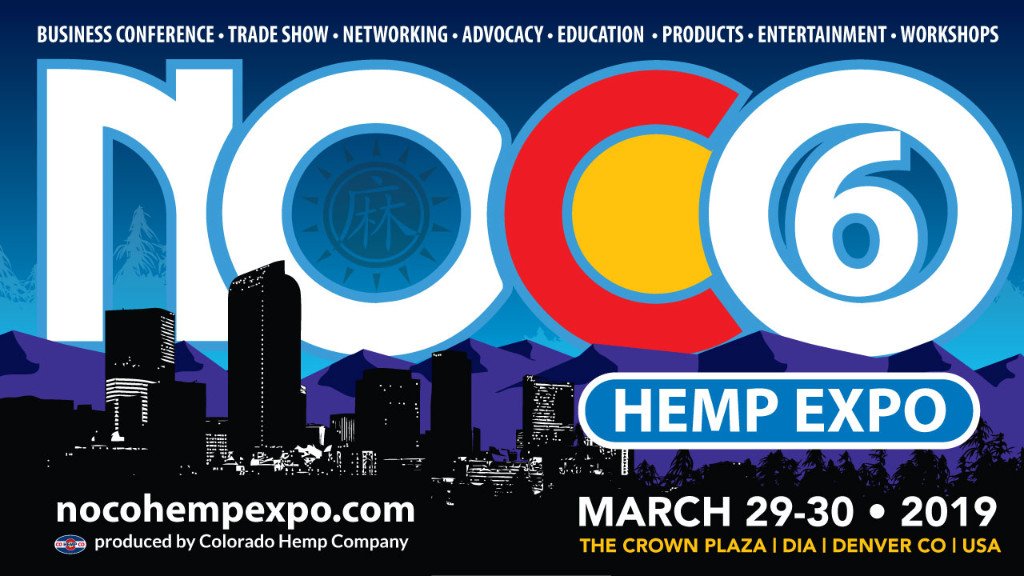
    #NoCo6 will feature expanded exhibition space and educational programming, including a full-day business conference and farm symposium, on March 29-30, 2019, in Denver. More than 8,000 attendees are expected as industry businesses and thought leaders gather to create a vibrant future for the newly legal hemp market.

    DENVER (January 16, 2019) – Following five years of exponential growth as the world’s largest hemp exposition and business conference, the NoCo Hemp Expo is moving its upcoming sixth annual event from Loveland, CO, to Denver’s Crowne Plaza DIA Convention Center.

    As growers, producers and consumers consider a future that looks extremely optimistic after hemp was legalized under the game-changing 2018 Farm Bill, #NoCo6 promises to be the most dynamic expo and conference yet.

    GenCanna™, a Kentucky-based company that focuses on scaling premium agricultural hemp production for food products to promote easy availability locally, nationally and globally, is the presenting sponsor of NoCo6. With a 150-acre agricultural campus near Winchester, GenCanna™ conducts groundbreaking research and commercialization of hemp processing methods and product development. With a $40 million processing plant in rural Kentucky under way, GenCanna™ has been growing rapidly to meet market demands.

    “We are excited to have GenCanna™ join us this year as our Presenting Sponsor. GenCanna™ has been a leading company out of Kentucky since the 2014 Farm Bill passed, and has established itself as a market leader and an organization positioned to play a significant role in the expansion of the hemp industry for years to come,” said Morris Beegle, co-founder of Colorado Hemp Company, which produces the NoCo Hemp Expo, and will present the second annual Southern Hemp Expo in Nashville on September 6-7, 2019.

    “The Southern Hemp Expo was excellent, and that’s where we made our decision to sponsor the upcoming NoCo6 in a bigger way,” said GenCanna™ Chief Sales Officer Garrett Bain. “We see it as an opportunity to tell the community at large what we’re doing, because 2019 is an important year for us. Our commitment to the hemp industry has been strong since 2014, and with the Farm Bill, we’ll see rapid evolution of hemp’s place in the American economy. We’re excited to be stewards in that marketplace and to come together with some of the greatest minds at NoCo6.”

    NoCo Hemp Expo, the largest gathering of hemp industry professionals under one roof, will feature 70,000 sq. ft. of exhibition space, 225 exhibitors, a business conference and farm symposium, a global hemp village, science and technical workshops, and several networking events and after-parties. The Let’s Talk Hemp Business Conference, Let’s Talk Hemp Farm Symposium and the Bish Enterprises Equipment Zone will all be expanded this year. The event is expected to draw more than 8,000 attendees.

    “We have built the biggest stage and best platform in the hemp space over the past five years to bring together industry experts, thought leaders and organizations as we curate a future for an industry that can truly and meaningfully impact the world in a positive way,” Beegle added.

    Colorado Hemp Co. also recently launched a weekly e-newsletter, Let’s Talk Hemp, covering news, entertainment and trends in the emerging hemp products market to accompany its Let’s Talk Hemp podcast featuring industry leaders Morris Beegle and Rick Trojan. To subscribe, visit https://letstalkhemp.com/.

    Video Presentation

    For a 60-second video introduction to the 6th Annual NoCo Hemp Expo, visit here.

    Thank You to Our Sponsors

    In addition to Presenting Sponsor GenCanna™, International Hemp Solutions is NoCo6’s Global Outreach Sponsor. Other sponsors include PureHemp Technology, Bluhen Botanicals, Elixinol, Bluebird Botanicals, SubZero Extracts, Palmetto Harmony, HGH Seed, Restorative Botanicals, Boulder Botanicals, Key to Life, Bish Enterprises and Nature’s Love.  

    Tickets Are On Sale Now

    Tickets are now available for the Let’s Talk Hemp Business Conference, Farm Symposium and Expo Hall. For all ticket levels, information and to purchase tickets, visit our website.

    About the NoCo Hemp Expo

    The 6th Annual NoCo Hemp Expo is produced by the Colorado Hemp Company, a division of WAFBA LLC (We Are For Better Alternatives), based in Loveland, CO. WAFBA also is the producer of the 2nd Annual Southern Hemp Expo and founder of TreeFreeHemp paper and printing services. Areas of focus include product and brand development, event production, consulting and advocacy. Learn more at NocoHempExpo.com, or visit our YouTube Channel for a promo video about #NoCo6. You can also find us on Facebook and Twitter, #NoCo6.

  • Hemp Hemp Hooray!

    Hemp Hemp Hooray!

    Leading Hemp Expo Producer Colorado Hemp Company Celebrates Historic Farm Bill Legalizing Industrial Hemp in the U.S.

    World’s largest hemp expo producer poised to meet opportunities and challenges of legal hemp with industry-leading events including the upcoming town-hall style Winter Hemp Summit on January 11; the hemp industry’s flagship event, the 6th Annual NoCo Hemp Expo in Denver, March 29-30; and the second annual Southern Hemp Expo in Nashville, TN, and the 3rd Annual Hawaii Hemp Conference in Fall 2019.

    Fort Collins, CO (December 21, 2018) – Following the successful second annual Hawaii Hemp Conference in Honolulu and President Trump’s signing of the 2018 Farm Bill into law—with watershed provisions to legalize industrial hemp—Colorado Hemp Company, the world’s largest hemp expo and conference producer, is ramping up to meet the unprecedented momentum surrounding the emerging industry in 2019.

    “On a scale of 1 to 10, we’ve been operating at 11 for the past year,” said Colorado Hemp Company co-founder Morris Beegle. “Now we’re moving into overdrive, and we’re ready to take it ‘#OneLouder.’ It’s such an exciting time to be spreading the word about hemp,” he says.

    “With the signing of the Farm Bill, a very long battle was won,” Beegle continues. “Hemp and all parts, including cannabinoids, extracts, and derivatives of the plant, have been removed from the Controlled Substances Act. All parts of the plant. After the Farm Bill passing both houses of congress and being signed today by President Trump, #Hemp is now explicitly legal and hemp prohibition is over. It’s great news for the cannabis plant (yes, hemp is cannabis and all cannabis should experience freedom), and for everyone who has fought for its freedom over the years, decades, centuries and millennia.”

    As the hemp industry prepares for legalization, Colorado Hemp Company will host the Winter Hemp Summit on January 11, 2019, in Fort Collins, CO. The town hall-style one-day forum is sure to be lively as industry leaders take a look back over important events and issues of 2018, including the Farm Bill, and look forward to what’s to come in 2019.

    The largest gathering of industry professionals ever under one roof will feature 70,000 square feet of exhibitions with more than 225 exhibitors, a business conference and agriculture & farm symposium, a global hemp village, science and technical workshops, a fashion parade and several networking events. For speaker and sponsor information, visit www.nocohempexpo.com.

    “After five successful years in Fort Collins, we’re thrilled to bring this industry-leading event to a convenient location not only for Coloradoans but for people traveling from around the world to learn about and celebrate this plant,” Beegle said. “Our path of exponential growth reflects this industry’s extraordinary journey.”

    On September 6 and 7, 2019, Southern Hemp Expo, a robust, program-rich trade show for the industrial, nutritional and therapeutic hemp industries, will return to Nashville, TN, to build on the success of this past year’s first-ever expo. The event will feature more than 100 vendors and exhibitors, more than 50 industry expert speakers, a business conference, farm symposium and plenty of networking opportunities.

    The company also recently launched a weekly e-newsletter, Let’s Talk Hemp, covering news, entertainment and trends in the emerging hemp products market to accompany its Let’s Talk Hemp podcast featuring industry leaders Rick Trojan and Morris Beegle.

    “To say we’re hitting the ground running in 2019 would be quite an understatement,” Beegle said. “It’s looking to be a groundbreaking year for this groundbreaking industry.”

    Passage of the 2018 Farm Bill, which President Trump on December 20 signed into law, has been a watershed moment for the hemp industry. Mitch McConnell (R-Ky) stated it will “encourage new opportunities for struggling farmers and their families, new products for use in construction, health care, and manufacturing, and new jobs in a broad range of fields.”

  • Mitch McConnell Offers to Loan President Trump His Hemp Pen to Sign Historic Farm Bill Legalizing Industrial Hemp

    Mitch McConnell Offers to Loan President Trump His Hemp Pen to Sign Historic Farm Bill Legalizing Industrial Hemp

    In a speech on the Senate floor on December 12, Mitch McConnell (R-KY) celebrated the passage of the 2018 Farm Bill with provisions for legalizing industrial hemp in the United States – a historic move and a watershed moment for the emerging hemp industry.

    “What exactly does this legislation do?” asked McConnell. “The Farm Bill we passed yesterday both legalizes hemp as an agricultural commodity and removes it from the controlled substances list. It gives states the opportunity to be the primary overseers of hemp production. It also allows hemp researchers to apply for competitive federal grants from the U.S. Department of Agriculture, and made hemp eligible for federal crop insurance. Together these features will encourage new opportunities for struggling farmers and their families, new products for use in construction, health care, and manufacturing, and new jobs in a broad range of fields,” said.

    “I look forward to the House passing our Farm Bill soon and sending it to President Trump for his signature. I’d be happy to loan him my hemp pen for the occasion,” McConnell added.[/vc_column_text][divider line_type=”No Line” custom_height=”15″]

    The Road to NoCo: After a hosting a successful Hemp Hawaii Hemp Conference, we hope you will join us for the upcoming Winter Hemp Summit, Jan. 11, 2019, in Fort Collins, CO.


    NBC Nightly News Covers CBD Health Craze
    by NBC Nightly News

    Cannabis Sector Stocks Lower on News of Hemp Legalization
    by Ciara Linnane via MarketWatch

    Pueblo, CO, Seeks to Be Leader in Indutrial Hemp Production
    by Dennis Darrow via Pueblo Chieftain

    Barrons: CBD Will See Boost with Passage of New Farm Bill
    by Bill Alpert, via Barron’s


    Upcoming Events

    The Road to NoCo: Mark Your Calendar for the Largest Gathering of Hemp Industry Professionals Under One Roof

    Have a listen.
    The Let’s Talk Hemp Podcast 
    with Morris Beagle & Rick Trojan

    Let’s Talk Hemp & The 422

    Join us for a short 422 podcast featuring author and hemp expert Doug Fine on opportunities in Hawaii’s emerging hemp industry.

    About Let’s Talk Hemp

    Let’s Talk Hemp is a publication of Colorado Hemp Company focused specifically on the subject of industrial hemp and cannabis. We present features and curate news from across the globe to share the benefits of cannabis on health, energy, manufacturing and planet (H.E.M.P.)

    Join our mailing list and get the latest inside scoop on ALL THINGS HEMP with our new Let’s Talk Hemp Weekly newsletter and updates on Season 2 of Let’s Talk Hemp and The 422 coming early 2019.