Blog

  • Colorado Companies Head to Washington DC for Hemp on the Hill

    Colorado Companies Head to Washington DC for Hemp on the Hill

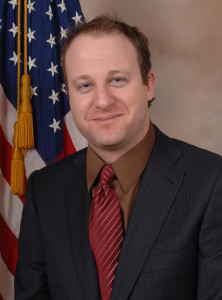
    Jared PolisCongressman Jared Polis (CO.2) will host the “Industrial Hemp Expo and Conversation” on Tuesday, February 2, 2016 on Capitol Hill. The Expo will feature key industry speakers, leading hemp companies, and state and federal officials who are coming together to discuss hemp and its remarkable industrial advancements in recent years.

    Colorado, Kentucky, Oregon, Tennessee, Indiana, Virginia, and North Carolina have become leaders in the hemp movement in recent years making progress at the state level by taking advantage of federal legalization opportuni
    ties provided in the 2014 Farm Bill.

    These states make up the heart of the hemp industry and are host to some of the most amazing individuals working hard to legitimize and fully legalize industrial hemp on the federal level.

    According to The Hemp Business Journal, market research puts the U.S. hemp industry at approximately $500 million in sales for year ending 2014. Market research also suggests a nearly $2 billion hemp industry by 2020.

    “Hemp is an agricultural crop that can benefit local economies across the country, and a crop that never should have been illegal in the first place. Hemp is not a drug, and should have zero association or interference from the DEA or FDA.” —Morris Beegle, Founder @ Colorado Hemp Company and The NoCo Hemp Expo.

    “I’m looking forward to joining my fellow hemp constituents in Washington DC at Hemp on the Hill,” says Beegle, “and convincing members of Congress to finally jump on board and do the right thing, pull hemp completely off of the controlled substances list.“

    Colorado Hemp Company joins the expo in February along with National Hemp Association, Evo Hemp and renowned hemp experts like Barbara Filippone at EnviroTextiles and Author Doug Fine who have worked to spearhead the legalization of hemp in Colorado and nationwide.

    Join Congressman Polis and Colorado Hemp Company at Rayburn Foyer in Washington DC and meet the faces of the hemp industry at our nation’s capital.

    WHAT:  “Industrial Hemp Expo and Conversation on The Hill”

    WHO: Senator Ron Wyden (OR),
    Congressman Earl Blumenauer (OR.3)
    Congressman Thomas Massie (KY.4)
    Colorado Hemp Co. and NoCo Hemp Expo – Morris Beegle, Founder
    Evo Hemp – Ari Sherman, President
    Hemp Road Show and Moonrise Extracts – Rick Trojan, Owner
    National Hemp Association – Samantha Walsh, Board of Directors
    Envirotextiles – Barbara Filippone, President
    Hemp Industries Association – Eric Steenstra – Executive Director
    Doug Fine – Author and Investigative Journalist
    Coach Freddie – iHemp Revolution Podcast
    Edgar Winters – Oregon Farmer
    Mike Bowman – Colorado 5th Gen. Hemp Farmer

    WHEN:  Tuesday, February 2, 2016
                       10 am – 2 pm

    WHERE: 1st Floor Rayburn HOB
    Rayburn Foyer, 45 Independence Ave. SW
    Washington D.C. 20515

    RSVP:              To RSVP for “Industrial Hemp Expo and Conversation on The Hill” and for the latest information about the key speakers presenting, please visit http://industrialhempexpo.eventbrite.com

    About NoCo Hemp Expo, Colorado Hemp Company and TreeFreeHemp:

    WAFBA LLC(We Are For Better Alternatives) is home to the NoCo Hemp Expo, TreeFreeHemp and Colorado Hemp Company  located in Loveland, Colorado and operating since 2012. Areas of focus include product and brand development, marketing, printing, production, events and advocacy.

    Abbie Marks
    On The Mark P.R
    abbiemarkswriting@gmail.com
    (985) 518-7493


  • An Interview with Ryan Loflin

    An Interview with Ryan Loflin

    By Thomas Ivory, Jr.

    It would be hard to say there is any American Industrial Hemp farmer more famous than Ryan Loflin.

    Loflin is the first farmer to successfully plant and harvest Industrial Hemp in American soil in over 60 years.

    Having literally bet his 1200 acre family farm in Springfield, CO, in 2013, Loflin planted a few acres of Industrial Hemp a year before the Colorado Department of Agriculture established rules and regulations over the controversial crop.

    It is Loflin’s transparency and openness about growing Industrial Hemp that has attracted media attention locally, nationally, and world-wide.

    News media reports on him. The History Channel documents him. Hemp History Week celebrates him. Even David Bronner of Dr. Bronner’s Magic Soaps visited Loflin Farmers in September 2013 to congratulate Loflin’s first harvest.

    A pioneer farmer, a mobile processor, and building his own seed genetic (Loflin#1), Loflin continues to share with the media. Here are some e-mailed questions he found time to step away from the field to answer.

    (NOCO) The land you farm is in South-Eastern Colorado, near Springfield. This is a region that is very dry with little rain fall. How does Industrial Hemp thrive in this climate? And how does it compare to your other crops?

    (Ryan Loflin) The southeastern corner of Colorado is a very harsh and unforgiving place to live and farm. Springfield, CO, was caught up in the dark days of American agriculture. Dust storms would turn days into night. Children were dying of dust pneumonia in Oklahoma; just 25 miles to the south. Hemp has preformed remarkable well in these dry and windy conditions. I grew hemp and Sorghum side by side. The Sorghum showed clear evidence of drought and required more nutrients then the hemp plants. The Sorghum leafs wilted from lack of water much faster than the hemp plants. We irrigating both crops at the same rate. Hemp has a very long tap root, allowing the plant to access sub-moisture in the soil. This is extremely beneficial in dryer climates.

    (NOCO) The past two years, you have privately invited people to assist in the planting and harvesting of your Industrial Hemp crop. What is your intent behind this community involvement? And how has it helped or hindered your planting and harvesting?

    (RL) In 2013, when I grew sixty acres, I also had one of my best friends get diagnosed with stage 4 cancer. This affected my decision to hand harvest my crop. I had a combine ready to go; in fact, we harvested around three acres with the machine. Using a combine to harvest the hemp crop blew all the medical properties of the hemp plant out the back of the machine. Knowing this, I opted for hand harvesting. I tried to find migrant workers from the Arkansas Valley. At that time of year the majority had gone back to Texas for the winter. Almost out of necessity, I reached out through Twitter and Facebook. I had around 50 people from 6 different states show up. I was amazed and tremendously grateful. We created a bond with a group of people from all walks of life. Total strangers came together for hemp farming, and my friend, David Humphrey, was going to get his medicine. I couldn’t have been any happier. I couldn’t have harvested this large field without everyone’s help.

    (NOCO) What are your planting techniques? What are your harvesting techniques? And how would you like to improve?

    (RL) In 2014 I decided to invite a few people to witnesses and document the planting of a portion of our hemp crop. We ended up getting a huge rain storm that delayed the planting, so we drilled the seed by ourselves. We used a grass drill on a 7 inch center. After a good summer growing season, we asked for volunteers to help harvest once again. Having community involvement is what hemp farming has always been about. Around 50 people hand picked 2 acres that was leased to Cannabis Therapy Corp/PeakBioPharma. This hemp crop was to be used for the manufacturing of animal supplements. For the other 5 acres, we used a side sickle bar mower. We cut the hemp down at the ground. We then bundled hemp and stood the shocks in our barn to dry. Having hands-on helped the hemp process run much smoother. Because I have harvested for CBD manufacturing, we hand cure the hemp in the barn. After the plants have dried properly, we separate the seeds away from the flowers.

    (NOCO) You are also a mobile Industrial Hemp processor? How does that work? What services do you provide?

    (RL) I’ve created a machine that captures 99% of the medical properties of the hemp plant. Majority of the CBDs are on the hemp plants Trichomes. Just like medical marijuana, the hemp plant has multiple types and sizes of Trichomes. The hemp Trichomes are mostly THC free. We can further process the reduced hemp leaf material to collect as much of the medical properties as we can. We might offer more mobile processing in the future. I’m in the process of patenting my machine. Once this happens, we will start selling the processing units on the open market. This way farmers that want to collect CBDs can do so on their farm; thus increasing their profits from this amazing hemp plant.

  • An interview with Anndrea Hermann

    An interview with Anndrea Hermann

    Interview by Thomas Ivory, Jr

    A woman who has spent over the past decade and a half already emerged in the international Industrial Hemp industry, Anndrea Hermann is more than a Industrial Hemp consultant. Her on-line social medias state, “cannabis is part of what Anndrea calls her final vocabulary.” She eats, wears, and builds with Industrial Hemp.

    Missouri born and 2002 Missouri Southern State University graduate with a BGS in Ecolonomics focusing on Industrial Hemp, Hermann then earned a permanent Canadian residency in 2004 under the Unique Skilled Worker Program as an Industrial Hemp Technician. While at the University of Manitoba, she finished her Masters of Science in hemp fiber agronomy in 2008 and has since written articles, book chapters, and reviews about Industrial Hemp. E-Campus Instructor at Oregon State University, President of Hemp Technologies (a building material supplier of Industrial Hemp), Hermann is also owner of The Ridge International Cannabis Consulting and is the President of the Hemp Industries Association (non-profit)

    Industrial Hemp fiber and seed agronomy, field and crop THC testing, regulating certifications and licenses, Industrial Hemp building material applications, and others are a few projects Hermann is an expert. She was kind enough to answer a few e-mailed questions.

    1.) Canada has re-introduced Industrial Hemp back into their agriculture over a decade ago. How did Canada have this foresight? And how has it benefited them?

    In the 1980s and 1990s, there was increased interest in the cultivation of industrial hemp as a potential source of new jobs in the agricultural and industrial sectors. As well, there was an increased need to develop alternative sources of fibre. Research conducted between 1994 and 1998 showed it could be successfully grown in Canada as a separate entity from cannabis (marijuana). With the demand and encouraging research findings, Health Canada chose to give the agricultural and industrial sectors the opportunity to grow and exploit industrial hemp in a controlled fashion. Laws were amended to allow for the cultivation of industrial hemp.

    Canada has become an international leader in supplying hemp foods to the world. Hemp has been a welcomed crop in rotation increasing on farm diversity.

    2.) Now that American farmers are becoming more interested in Industrial Hemp, what can they learn from Canada?

    They can learn the importance of pedigree seed systems and how provincial and  federal government can play a key role in the success of a new industry.

    3.) In what ways does the growing environments for Industrial Hemp in Canada resemble and/or differentiate from the growing environments in the United States?

    The US will have a period of cultivar discovery that will be key to the success of cultivation in the USA.

    4.) Can certified seeds from Canada grow the same in the United States?

    This will depend on the location and is why variety trials are important.

    5.) What type of characteristics does the Industrial Hemp farmer look for in his crop?

    Good emergence, even stand and even maturity

    6.) How do you test for THC? May you please explain the process and tools you use?

    THC is tested by authorized third party accredited labs in which they use GC-MS or HPLC depending on the material they are testing.

    Under the Canadian regulations we not only required to test the field  sample (when not exempt) but we have to also THC the derivatives. Thus all Hemp Seed Oil, Protein Powder, Hulled Hemp and other food grade product have to test to be 10ppm THC or less to become a “free for sale” product.

    7.) What do you believe is the most practical way Industrial Hemp can be used as a building material? And what is the most unique use?

    Hemp bast fibres make an excellent “batt” insulation whereas the hurd when mixed with lime binders and water creates a SUPER “non-toxic” insulation for the house.

    8.) When would you say Industrial Hemp will be legal world-wide?

    We are well on our way! Hemp is on the Global radar however many countries still need to overcome the stigma of marijuana and to define hemp. Most countries recognized hemp products.

  • An interview with Doug Fine

    An interview with Doug Fine

    Interview by Thomas Ivory, Jr

    A world-class adventure writer and investigative journalist, Doug Fine has become the written word, the radio voice, and the smiling face of not only his sustainable realizations, and his drug policy work, Fine is also the world-wide reporter for Industrial Hemp.

    Author of a handful of books including, Hemp Bound, a world-wide field research novel, and his latest essay, First Legal Harvest, Fine tours the world speaking about his findings.

    The NOCO Hemp Expo is excited to have such an insightful and entertaining Industrial Hemp activist as Doug Fine to emcee the event.

    He was able to unbury himself from endless journalism duties for a moment to be on the other side of the table and reply to a few e-mailed questions.

    (NOCO) First off, congratulations on getting the emcee gig for the 2015 NOCO Hemp Expo. Your free-spirit and humorous attitude is reflected in your writing. Is this also true in your stage presence? How do you pull it off?

    (Doug Fine) Thanks, that’s a lot of kindness in one question. I feel lucky to have a performance outlet. It’s part of who I am. And the narrative voice in my nonfiction is very much me — usually investigating something new on a topic that feels important (sustainability, drug peace, hemp’s return to humanity), and getting in over my head. Not a bad career when every trip to the emergency room is tax deductible. When it comes to hemp/cannabis, the story line is about re-learning hemp processing (with teachers from Slovenia to Kentucky) and jumpstarting, in the real economy an ancient industry that can seamlessly reemerge in the digital age. The model I’m putting forth is called Tri-Cropping, and I’ll be talking about it at the Expo.

    (NOCO) Last year the Expo was held at a large bar in Windsor, CO. This year the event is held at the much larger Ranch Events Complex in Loveland, CO. Does this new venue illustrate the quickly growing awareness about Industrial Hemp? And who is becoming more interested?

    (DF) The hemp situation is evolving so fast it is safe to say it’s developing by the day. I got these replies to you in between discussing European hemp seed imports vis a vis current federal law and writing a hemp-printed monograph about last season’s First Legal Harvest. All that while homeschooling and milking goats. Oh, and working on hemp legislation in my home state of New Mexico.

    (NOCO) At NoCo you will be releasing a new piece of writing, First Legal Harvest (and pre-order is on now at dougfine.com). The 20-page monograph reports the world’s 2014 Industrial Hemp harvest. Since before your first book in 2004, you have written a lot about sustainability. How has Industrial Hemp most enlightened you about sustainability? And how do you foresee the plant being utilized in the future?

    (DF) Hemp has spurred a model by which I believe rural communities can be successful in the digital age. It’s just human survival. No big deal. First Legal Harvest’s subtitle is: Game On For An Industry: A hemp-printed report from the world’s agricultural cannabis fields and the digital age industries they are already supplying as farming communities prepare for something strange: affluence through local vertical economies.

    (NOCO) Final question: Are we too late? Even with the help from Industrial Hemp, is humanity doomed?

    (DF) Nope. I’ve never been so bullish about humanity’s climate mitigation project and overall future. That’s why I’m calling this year’s live events “The 2015 #FirstLegalHarvest/#HempBound Tour: What Would Doctor Bronner Do?” Because success in this effort is contingent on the kind of successful business that, for example, works entirely with organic and fairly traded materials and pays its  CEO five times the lowest paid worker.


  • An Interview with Colleen Sauve

    An Interview with Colleen Sauve

    By Thomas Ivory, Jr.

    With the ability to monitor legislature; campaign social media strategies; develop creative outreach, networking and coalition; organize fundraising and awareness projects; and keep a tab on the Industrial Hemp market; Colleen Sauve assists Industrial Hemp advocates to defend state-rights through education, up-to-date information, and constant engagement.

    To influence federal policy and remove Industrial Hemp from the Controlled Substance Act requires community, determination, and knowledge. And to achieve this goal, Vote Hemp recruited Sauve as National Outreach Coordinator.

    Sauve is the founder of the Tennessee Hemp Industries Association (TNHIA), the first state chapter affiliate of the national HIA and the organization that achieved a near unanimous victory in the passage of the Tennessee hemp law.

    A great resource, Sauve took the time to answer a few e-mailed questions.

    (NOCO) What a cool opportunity it must be to work with Industrial Hemp advocates on a national level. What type of people do you work with extensively? And how welcoming is legislature to Industrial Hemp advocacy?

    (Colleen Sauve) Mostly, I work with activists who typically have an advanced knowledge of industrial hemp, but need assistance navigating politics and process within state government. This year activists are already engaged in fifteen (15) states. Industrial hemp has gained huge popularity among legislators nationwide and is uniquely a bi-partisan issue. Activists are doing a great job engaging people and educating them about hemp’s potential. I provide activists with presentation materials that may be used to educate state agencies as well as government. We coordinate to identify key officials whose support is needed to earn positive receptivity of proposed legislation. I also provide assistance to elected officials in the development of their hemp bills and rules and regulations. Cannabis is probably one of the most exciting legislative topics of today. We can actually see prohibition ending, and that is especially great for industrial hemp. Hemp is hope.

    (NOCO) There are so many good things to be said about Industrial Hemp that it is almost impossible to find a bad thing about the plant. What is a negative thing about Industrial Hemp?

    (CS) Although the tensile integrity of the fiber varieties is incredible, it’s also perceived to be problematic for standard farming equipment and manufacturing. The lack of localized modern manufacturing infrastructure, and specifically decortication, to support the burgeoning industrial hemp movement is one of the biggest challenges we face. However, there are U.S. companies, like BastCore LLC, coming forward to work on this issue. I hope to see more innovation happening.

    (NOCO) Industrial Hemp had an important role in the founding and forming of the United States. It is true Industrial Hemp and marijuana look the same, yet they are distinctly different. How did the two varieties ever get so closely associated that a valuable landrace became prohibited?

    (CS) Cannabis has a wide range of phenotypes based on variables dictated by genetics. I think they can look similar, but the trained eye can tell them apart. Perhaps the most identifiable visual trait is observed in the performance of the plant. Mature industrial hemp lacks the resinous female flowers that mature medicinal varieties produce. Instead, industrial hemp produces a female flower with high seed volume. As far as it’s conflation with medicinal varieties, I think every genera of cannabis has suffered major misunderstanding, which led to misrepresentation.

    (NOCO) How far away is Industrial Hemp from being federally legal? And what steps need to be taken to reach that goal?

    (CS) I think the Industrial Hemp Farming Act of 2015-2016 has a good chance at coming to the floor. Right now, twenty-one (21) states have some form of industrial hemp legislation in place. Eleven (11) of those passed in 2014. At the time of this interview, twenty-two (22) states have introduced legislation either amending state law or legalizing hemp in accordance with SEC 7606 of the Farm Bill. The Industrial Hemp Farming Act of 2015 hasn’t moved into committee hearings. Vocal support from constituents is critical. Since the Industrial Hemp Farming Act of 2015 was introduced almost 1,800 support letters have been sent to Congress. It’s time to start picking up the phone and making the call.

    (NOCO) What American hemp businesses will see the first success? And how will they maintain that success?

    (CS) I won’t talk about the success of hemp in American without first acknowledging the companies who fought to keep hemp products legal in the U.S. before there was a favorable market trend. If you want to know who those companies are, google “HIA v. DEA.”  The fact that hemp is succeeding at all is because of them. Any contemporary business developing as a result of the new laws should focus on supporting the farmer, building great business relationships, sustainability and product diversification.

    (NOCO) What hemp products do you currently have in your own home?

    (CS) Too many to count. I’m a HempBox subscriber. I’ve been using Dr. Bronner’s All-in-One Soaps for a long time. I use organic hemp oil cosmetically, but I am currently loving the asian-ginger hemp oil superfood salad dressing by Foods Alive. I also love the hemp-berry-lemonade Immortal Bars. Recreator hemp t-shirts’s are a staple in my wardrobe. I love the cut, plus hemp threads are superior. Recently, I bought a couple of hemp sweaters from Gaia Conceptions, and they are amazing. If I need it, and it’s made from hemp, I’ll buy it.

  • An Interview with Michael Yocco

    An Interview with Michael Yocco

    fayfarm

    By Thomas Ivory, Jr.

    A goat farm can be the perfect place to discover the simplicities of life. For Michael Yocco, it was the place to discover much more.

    For over a decade, he and his wife, Stacy, have been herding goats and growing herbs in the Pacific North-West. It is here, at The Fay Farm, the couple began making beauty products. (www.thefayfarm.com)

    Natural products like Industrial Hemp have found its way into salves, lotions, and muscle rubs with the intent to “relieve symptoms” of numerous skin and body aliments.

    More than just goat milk soap, The Fay Farm also practices organic farming and permaculture techniques.

    Michael was able to get away from tending the goats long enough to answer a couple of e-mailed questions.

    (NOCO) Farm life is much different than city living. What drew you from the Bay Area in Northern California to Whidbey Island in Island County, Washington?

    (Michael Yocco) My wife, Stacy, and I spent a good time of our adult life in California, and we wanted to reinvent ourselves. We wanted a better life, and a better life for our children. We both had grandparents that made livings as farmers, and to both of us, were heroes we both looked up to as children.

    When we had an opportunity to downsize our mortgage from California, while up-sizing our quality of life, we jumped at the opportunity to purchase a farm on Whidbey Island outside Seattle, Washington. Our thinking was: Stacy could start up the farm, and since we would not be in need of two incomes, I would continue to work until the farm became sustainable. It took almost six years, but we were able to accomplish that important goal for our family!

    (NOCO) The Fay Farm is “dedicated to protecting the balance and harmony with life on the planet.” How do you accomplish your philosophy on your farm?

    (MY) First of all, we practice bio-dynamic farming. All of the waste from our animals is composted and used back as soil amendment to grow our herbs. A significant portion of our property sits on a wetland, and the previous owners had kept horses in paddocks in this wetland area. We thought it more important to take the man-made structures out of the wetland and let that area return to its natural state. It has been magnificent to watch this happen.

    We raise Nubian dairy goats for their high butterfat to make the richest soap possible. When one of our herd retires, we let them live out their days peacefully on the farm, to honor them for what they’ve given to us. Many farmers discard an asset when it is no longer productive; we take the view that our animals are part of the farm their whole life, and to your point about balance and harmony with life on our planet, nothing could be more resonant than that!

    (NOCO) Natural and healing body products are produced on Fay Farm. Why did you begin making beauty products? And why did you start using Industrial Hemp in your products?

    (MY) Our daughter Aimee was suffering from eczema and psoriasis. She would come to our bedroom in the middle of the night with her t-shirt blood-soaked from scratching herself in her sleep. It was at that point, just as we were getting ready to move to the Pacific North-West, that my wife decided there had to be something better than topical steroids and immunosuppressants to manage her auto-immune conditions. As difficult as it was to watch our daughter suffer, it was so joyous to observe her response to the salve my wife prepared for her.

    Many of our extended family and friends were amazed at the results and asked for a little bit to take care of cracked heels or burns or their own auto immune skin conditions. From there, the circle of people asking for the salve started expanding to people we did not even know, and Stacy thought: “Why don’t we start selling this?” We set up a card table on the side of the road and we had two of our daughters dance with a sign to persuade people to stop at our stand. That was 11 years ago. We now sell our products to over 15,000 customers in 21 countries outside the US and Canada! It has been humbling to read some of the stories of relief we receive from customers.

    We started using Industrial Hemp from the start. Because hemp oil is high in omega-3 and -6 fatty acids, there is no better oil for rejuvenating skin and reducing inflammation. Naturally it became the cornerstone of the products Stacy has created, and the herbs we infuse into our oils is the secret sauce that makes our products best of class in many categories.

    (NOCO) Can you please explain what makes your products “natural and healing?”

    (MY) We use certified organic herbs, oils and essential oils in our products. As an example, our Healing Hemp Salve contains herbs that are grown on our farm and sourced from organic providers. Our herbs steep for over a month before we incorporate them into the salve, allowing all the beneficial components of those herbs to be gently extracted. I believe that is the number one reason our products are so phenomenal: we take the time to make our products right.

    Nature has provided us with many herbs that can aid the healing process. Several generations ago, the matriarch of the family was responsible for researching and administering teas, tinctures, and poultices made with herbs to help any number of maladies. This is a tradition that we’ve continued and embraced.

    Single molecule isolates just don’t have the requisite support molecules that our body needs to heal itself. Take for example, aspirin (salicylic acid). This is an isolate derived from willow bark. When willow bark is chewed or decocted, it has an analgesic effect that relieves pain. It also contains enzymes that protect the stomach lining. When the isolate of salicylic acid is used, the person using the aspirin gets the analgesic effect, but because the enzymes from the willow bark are not present to protect the stomach lining, the risk to the stomach lining is increased. Whole plant extracts are the way to go if you want relief.

    (NOCO) You have highly recommended testimonies from both patients and doctors. How does Industrial Hemp, in particular, heal a wide range of ailments? And how does CBD beauty products differentiate from other Industrial Hemp beauty products?

    (MY) Healing is a strong word, and I encourage you to portray us as a company that “relieves symptoms”. To rephrase, industrial hemp helps to relieve a lot of ailments due to the omega-3 and -6 complexes which reduces inflammation and promotes rejuvenation.

    For CBD, there is an activation of our endocannabinoid system which contains CB1 and CB2 receptors. THC (delta 9-tetrahydrocannibinol) activates our CB1 receptors, located primarily in our brain and spinal cord. The psychoactive “high” is a result of these receptors getting activated. CB2 receptors are located in the spleen and throughout the body. CBD partially activates CB2 receptors, which are responsible for homeostasis and in limited studies, has shown to relieve inflammation, act as an analgesic, reduce anxiety (anxiolytic), lift mood and increase appetite.

    While no large scale efficacy studies have been conducted to confirm these actions, there seems to be a number of people that use these products and have commented on these effects.

     

  • An Interview with Grant Orvis

    An Interview with Grant Orvis

    By Thomas Ivory, Jr.

    Many farmers are un-biased to what agriculture they are producing as long as it is easy to grow and can be sold at a profitable price.

    To gain the best profit per acre, working with a co-operative is access to knowledge and information, planting and harvesting techniques, processing abilities, and the most appealing, providing outlets for the product to be sold.

    Dr. Grant Orvis and the Colorado Hemp Cooperative provide answers to a lot of questions. For instance, with access to a community of contributed research, the issue about certified Industrial Hemp seed can be addressed.

    The Cooperative has people involved in the Industrial Hemp market that are as versatile as the plants’ uses.

    Dr. Orvis was kind enough to answer a few e-mailed questions.

    (NOCO) What is the goal of the Colorado Hemp Cooperative?

    (Grant Orvis) To help farmers make more money per acre than if they were to sell their product on the open market. We have had a lot of help in developing our model from the Frenchman Valley Cooperative in Nebraska and Eastern Colorado.

    (NOCO) What type of people are involved in an Industrial Hemp co-operative?

    (GO) People who are interested in the hemp industry. We have farmers, lawyers, book keepers, entrepreneurs engineers and even IT people.

    (NOCO) With the re-introduction of Industrial Hemp back into American agriculture, how can farmers acquire viable and certifiable seed?

    (GO) The truth is that they can’t. Any seed that a farmer can buy comes from hybridized genetics. It is on us to make it happen and the Cooperative has begun developing several cultivars that are in need of testing in farmers fields. We have found some very interesting genetic mutations and will discuss the results from our experiments in my talk.

    (NOCO) Are there opportunities for funding of your genetic experiments?

    (GO) Absolutely. In fact, State law allows for up to $10 million of recreational tax dollars to be put aside for a hemp research grant program. The Cooperative will actively pursue these grants to further benefit our farmers.

    (NOCO) Processing Industrial Hemp is the farmer’s next challenge after growing and harvesting. Can the co-op assist in processing Industrial Hemp?

    (GO) We are partnered with a hemp seed processor and this vertical integration is one way in how we help farmers make more money.

    (NOCO) If someone wanted to learn more, where would you direct them?

    (GO) I’d say that this short video should help:
    https://youtu.be/nt4J53a6gxs


  • An Interview with Agua Das

    An Interview with Agua Das

    By Thomas Ivory, Jr.

    The man known as Agua Das is nothing but legendary. He is a man who has been around, grown with, processed thoroughly, fueled efficiently, sold profitably, worn stylishly, ate deliciously, and anything else Industrial Hemp, for over 25 years.

    A true American entrepreneur, Das is more than chef for Hemp I Scream! (hempiscream.webstarts.com) ice cream sandwiches, he is engineer of bio-fuels, he is farmer of sustainable agriculture, he is politician for individual rights, he is ethical business-man.

    An infinite source of information of spiritual wisdom and a realist for Industrial Hemp, Das is Agua Das.

    He was happy to step out of the kitchen, or the lab, or the farm, to answer a few e-mailed questions.

    (NOCO) You have been working with Industrial Hemp for a long time. When and how did you get started in the first place?

    (Agua Das) I began pressing Hemp Seed Oil in 1990 with sterilized seed because it is exempt without changing any rules.

    I began teaching how to spin hemp yarn because mature hemp stalks and the fiber made there from is exempt.

    (NOCO) Your Hemp I Scream is delicious and comes in many flavors. Why did you start making ice cream? And what brought you to Red Rocks Amphitheater and hemp festivals as a vendor?

    (AD) Even though there are thousands of uses of Hemp, someone said that NO ONE COULD MAKE ICE CREAM OUT OF HEMP. Hmmm… let me think about that.

    So I had my first Hemp I Scream by New Years going into 1994.  It was a smile of the angels that brought us to Red Rocks; never heard so much live music.

    (NOCO) Hemp I Scream is in stores all over Colorado and across the United States. You deliver the ice cream yourself. What adventures do you have? And who are some unique people you get to enlighten about Industrial Hemp?

    (AD) We just delivered a freezer full of Hemp I Scream! to Seattle. I love the water and the bay. I can’t sell to anyone I can’t deliver to. I need all the help I can get. We have used everything from direct delivery to shipping frozen pallets to bio regional distributors, look for us at Seattle Hempfest and Arise. High Sierra… We are EVERYWHERE!

    I had an amazing conversation with a Denver Sheriff’s deputy who said he did not care that there are thousands of things that can be made with hemp, or that prohibition was a racist conspiracy of silence to promote a racist agenda….

    He said he wanted us to win legalization and stop arresting people for pot. In the name of public safety! …because he had never been hurt in a fight with someone who was too stoned.

    (NOCO) You are an engineer as well as a chef. Can you please explain what is a gasifier? And how, with Industrial Hemp, can this machine make households truly sustainable and off-the-grid?

    (AD) A gasifier turns solid fuel like hemp stalk pellets into a gas that can run an engine. At 8000 BTU/lb, a ton of hemp hurds can replace 100 gallons of fossil fuel and prevent a ton of CO2 greenhouse gas. And make electricity to freeze Hemp I Scream!

    (NOCO) How can Colorado grown Industrial Hemp fibers (both bast and hurd) enter the market place today?

    (AD) We need to learn how to work together better. Building hemp businesses around good ideas using high hemp content is the way to start. Make hemp products that are better than what they are replacing at least two ways. Avoid defining hemp as the problem, hemp is the solution. We all need to pledge to set aside a portion of our income to advancing hemp first hand. Don’t quit your daytime job till your hemp job pays the bills. Be ready to take a whipping with dignity. As Ghandhi said “First they ignore us, then they get tough on us, then we win.”

    Pick a project that does not leave you waiting for someone else to change the rules.

    (NOCO) How long will it take the United States’ Industrial Hemp industry to be operating at the same level as other countries like Canada?

    (AD) It all depends on our effort:  mild, medium , or extreme!